
 111
111 2
2 3
3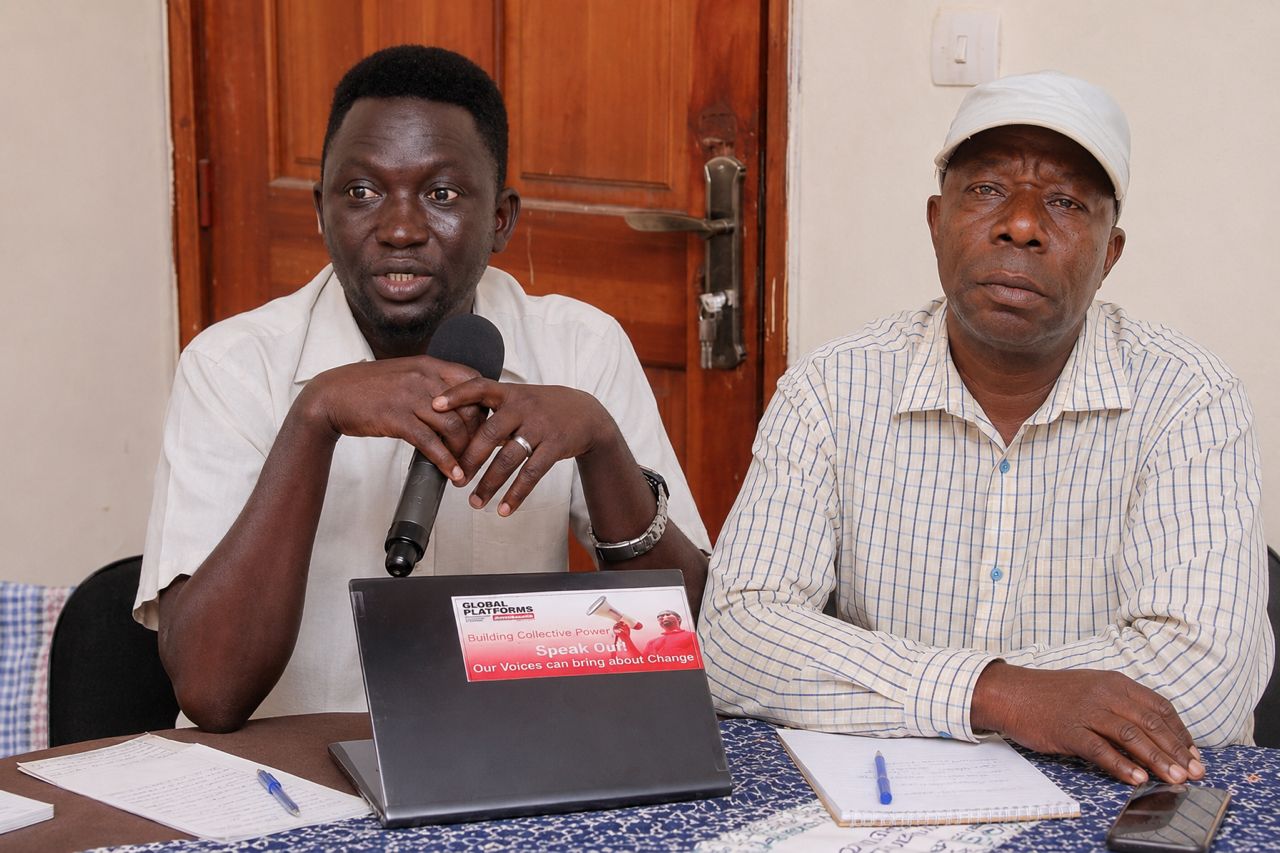
By Alieu Jallow
The North Bank Region, home to one of The Gambia’s busiest border crossings at Amdallai, continues to face a major child protection gap as authorities struggle to respond to the growing number of children on the move because there is no safe place to accommodate them.
Children on the move, including those travelling alone, separated from their families, or intercepted while crossing borders, often require immediate protection before they can be safely reunited with their relatives. In many countries, temporary shelters provide emergency accommodation, food, psychosocial support and case management while social workers trace families and determine the child’s best interests. However, no such facility currently exists in the North Bank Region, despite its strategic location along the Senegal-Gambia border where migration movements are common.
The concern was raised by Alasana Sanneh, Regional Social Welfare Officer for the North Bank Region, during an interview with The Fatu Network on the sidelines of the quarterly Technical Advisory Committee (TAC) meeting in Kerewan.
The TAC meetings, supported over the past two years by ActionAid International The Gambia, bring together government institutions, civil society organisations and development partners to assess development interventions, identify emerging challenges and coordinate responses across the region.
Sanneh described the absence of a temporary shelter as one of the department’s biggest operational challenges, particularly because of the busy Amdallai border post.
“In the region, we don’t have any shelter for these children. When you identify them, it becomes a very serious challenge. We don’t have emergency support to provide them, and we don’t even have transport. If we want to reintegrate a child, officers often have to use their own money to locate the parents and reunite the family,” Sanneh said.
He explained that children intercepted while travelling alone or found stranded in border communities have nowhere safe to stay while social welfare officers verify their identities, trace their parents and facilitate reintegration.
According to him, the challenge has already been communicated to the ministry responsible for social welfare, while the department continues engaging development partners in search of a sustainable solution.
Beyond the lack of shelter, Sanneh said the regional office is severely constrained by limited resources.
“The office is seriously understaffed. We have only three social welfare officers serving the entire North Bank Region. We also lack emergency kits and basic support for vulnerable children and victims when they are identified,” he said.
The department is also recording an increasing number of child welfare cases involving separated and divorced families, where disputes over child maintenance, custody and parental responsibility continue to affect children’s wellbeing.
Sanneh further expressed concern over the growing incidence of teenage pregnancy across the region, saying reports from communities continue to rise.
National estimates indicate that approximately 13 to 14 percent of girls aged between 15 and 19 in The Gambia are either pregnant or already mothers, with rural communities often recording higher rates due to poverty, early marriage, limited educational opportunities and inadequate access to sexual and reproductive health information.
According to Sanneh, establishing paternity remains one of the most difficult aspects of handling teenage pregnancy cases.
“Paternity is always a problem because most perpetrators deny responsibility. The only option is to refer the matter to Banjul for DNA testing to establish paternity. This remains one of our biggest challenges,” he explained.
Responding to concerns raised during the meeting, Saikou Darboe, Local Rights Programme Manager for the North Bank and Lower River Regions, said ActionAid and its partners are planning a ministerial engagement in the fourth quarter to bring together relevant government institutions and stakeholders to jointly address the challenges identified by various departments.
He suggested that rehabilitating abandoned government quarters across the region could offer an immediate solution to the lack of temporary shelters for children on the move.
“There are some government quarters that are not used and are dilapidated. They are there and they can be used for this. They could be rehabilitated and used for these kinds of issues temporarily, so that these children’s issues are addressed because if they are kept at the same place for one week, their parents must come,” Darboe said.
On teenage pregnancy, Darboe highlighted ActionAid’s ongoing menstrual hygiene management and puberty education programmes for adolescent girls but acknowledged that interventions must also target parents.
“What we can do to address it is also to inform the parents because they are the bigger problem. They are not talking to their children and they are not giving them sexual and reproductive health information. This is one of the possible activities that we can venture into,” he said.
The discussions underscored the urgent need for stronger investment in child protection systems in the North Bank Region, where social welfare officials say the absence of emergency shelters, inadequate staffing and limited operational resources continue to leave vulnerable children at greater risk.