
 11
11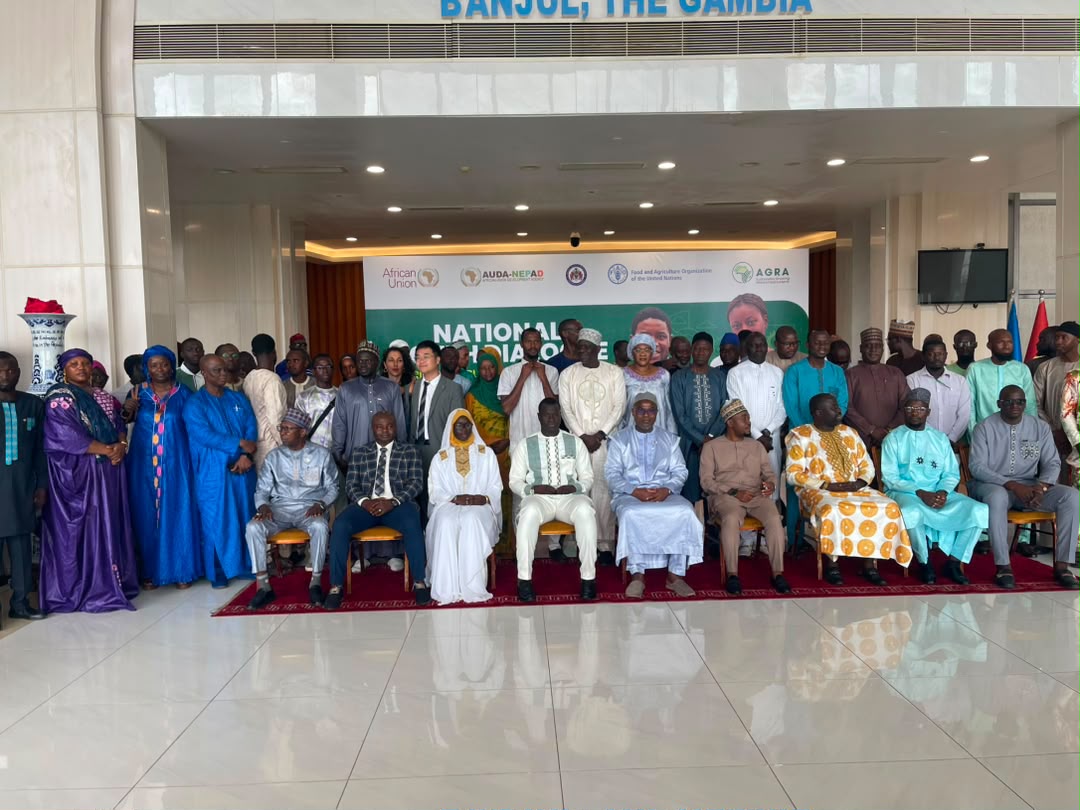
By Dawda Baldeh
Gambian youth leaders and international delegates have demanded sweeping legislative changes to dismantle the financial and structural barriers blocking young people from the agricultural sector, warning that current bank lending rates are crippling young farmers.
Speaking at a crucial two-day policy retreat on youth-led agri-food systems transformation, Alagie Jarju, the Executive Director of the National Youth Council of The Gambia, hit out at the country’s financial sector. He revealed that young entrepreneurs are facing commercial interest rates as high as 24%, effectively choking off agricultural innovation. Jarju strongly urged lawmakers to intervene and introduce single-digit lending rates to make farming viable for the next generation.
“Interest rates of 20 to 24 per cent are simply not sustainable. A young farmer taking such a loan is just working for the bank,” Jarju declared, tasking lawmakers to translate the retreat’s findings directly into national law.
The high-level gathering brought together policymakers, parliamentarians, and development partners to address why the continent’s largest demographic remains shut out of its most vital industry. Organizers stressed that while youth-led innovation is already driving modern agriculture, the sector is heavily restricted by systemic hurdles, specifically limited access to land, affordable finance, secure markets, modern technology, and specialized skills.
Youth leader Mariama Sonko emphasized that the time for treating young people as passive recipients of aid is over.
“Young people are not only the leaders of tomorrow; they are the innovators, entrepreneurs and changemakers of today,” Sonko said. “We must ensure that young people are not merely beneficiaries of development programmes but active partners in designing and implementing policies that affect their lives.”
The call for structural change was echoed by international delegates. Speaking on behalf of the African Food Systems Parliamentary Network, Hon. Bamendju Agbo warned that outdated policies across the continent continue to suppress youth participation.
“Young people are no longer a constituency to support; they are partners in transforming Africa’s agri-food systems,” Agbo stated, pressing governments to bring young people to the decision-making table much earlier in the policy design process.
While demanding state action, Jarju also challenged the youth to take personal responsibility for driving the sector’s modernization. “As we ask what government and partners should do, we must also ask ourselves what our responsibilities are,” he noted.
In response to the growing pressure, the Gambian Parliament signaled its willingness to act. Hon. Sulayman Jammeh, Chairperson of the National Assembly’s Select Committee on Regional Government, Lands, Ombudsman and IEC, publicly reaffirmed the legislature’s commitment to agrarian reform.
“We must place young people at the centre of agri-food systems transformation, not merely as beneficiaries, but as innovators, entrepreneurs and future leaders,” Jammeh said.
The retreat is expected to culminate in a formal framework of recommendations aimed at strengthening youth participation and advancing urgent agricultural reforms to create jobs, improve food security, and empower the next generation.