
 11
11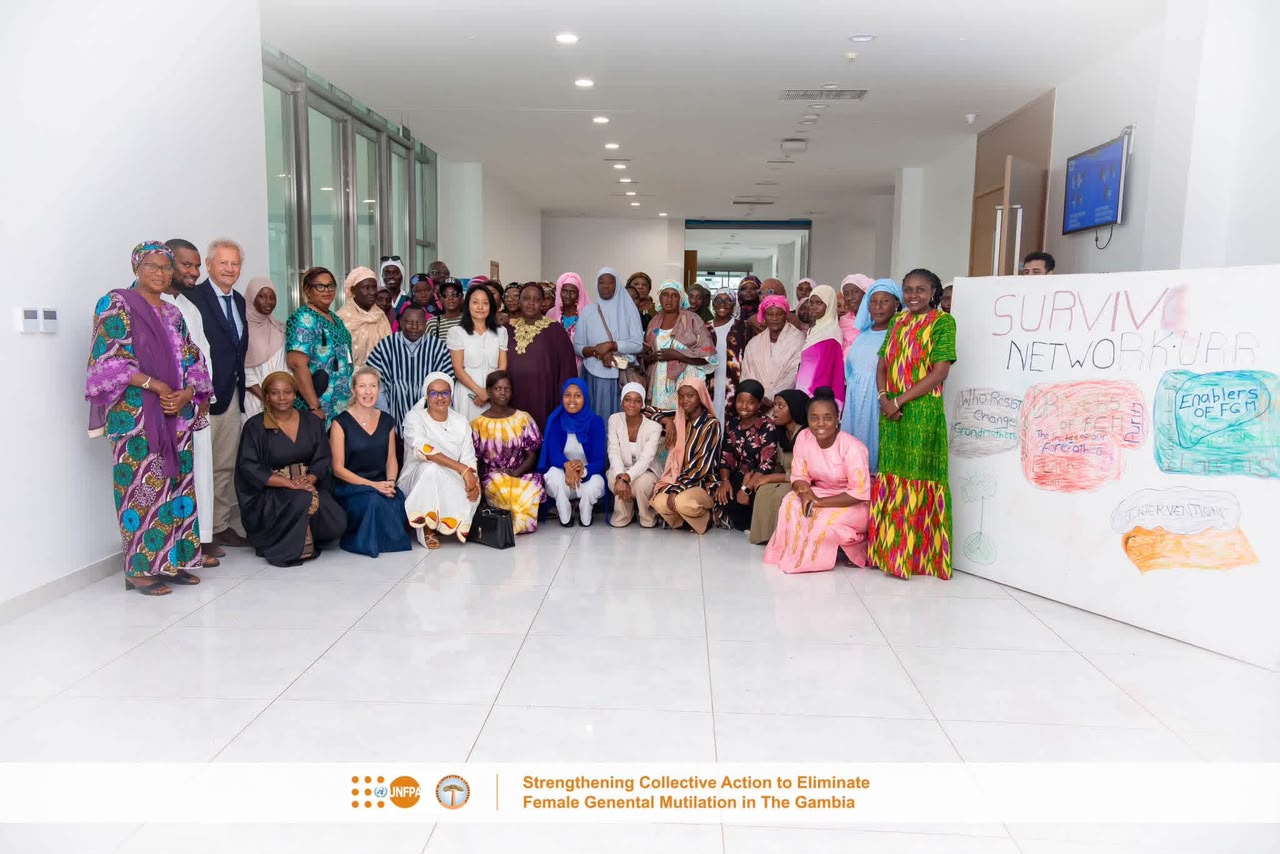
By Mama A. Touray
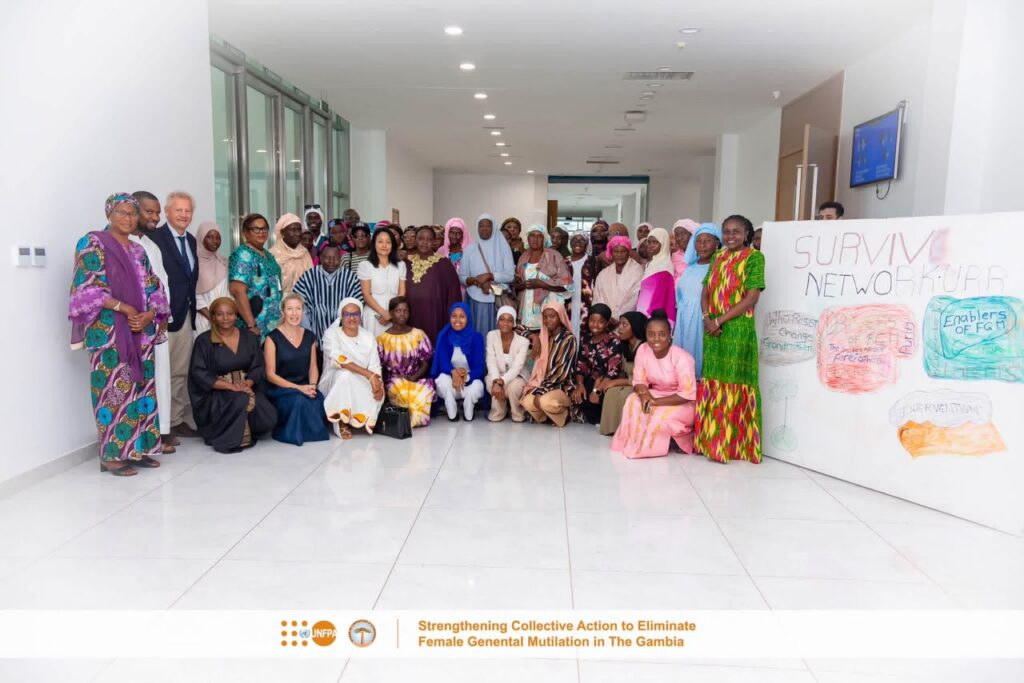
Women in Liberation and Leadership (WILL), in collaboration with its partners, has launched survivor network regional chapters across The Gambia in a move aimed at amplifying the voices of survivors and strengthening efforts to end female genital mutilation (FGM).
The initiative seeks to position survivors not only as beneficiaries of support programmes but also as key advocates and agents of change in the campaign against FGM.
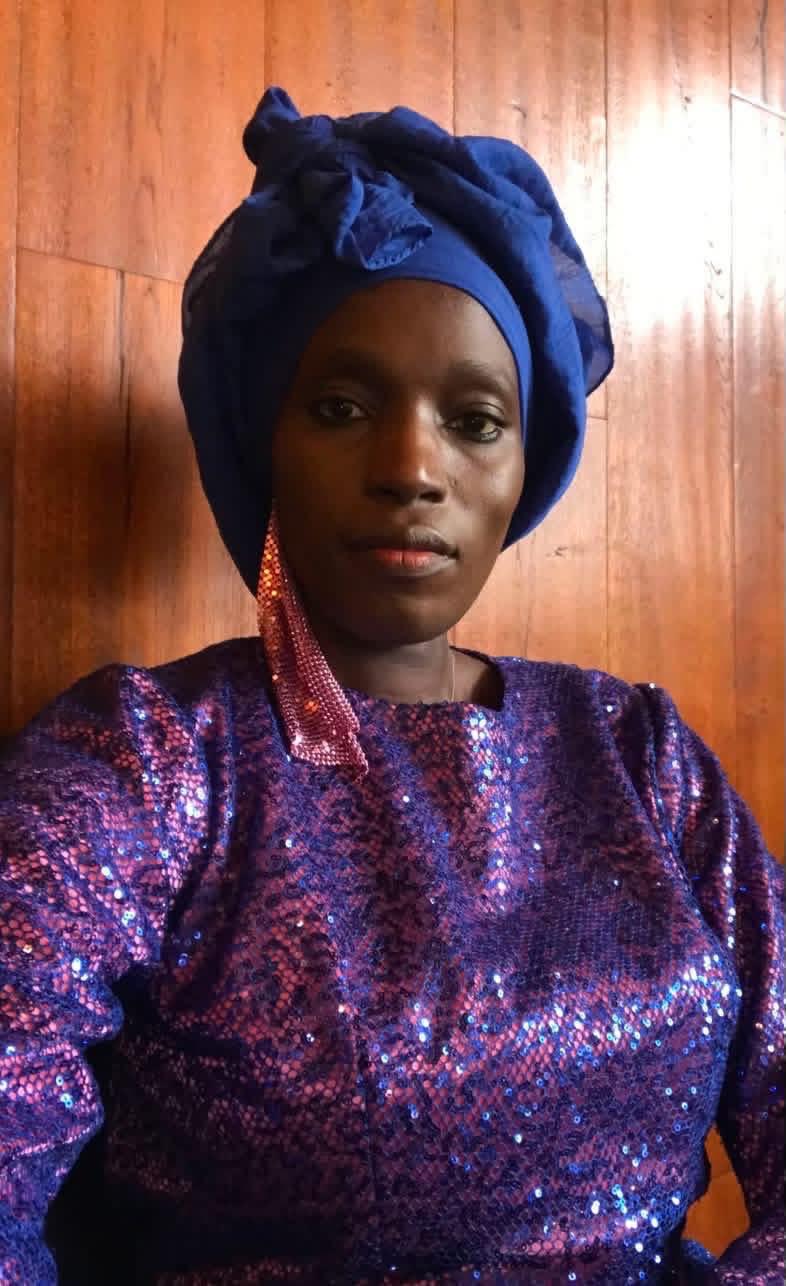
Speaking on behalf of the regional chapter representatives, Fatou Sillah said the platform would help women unite and share ideas on addressing challenges affecting them.
“We are no longer scared as women to raise awareness on issues affecting us because we have people who back and educate us on our rights and responsibilities,” she said.
She added that empowering women would enable them to support one another in addressing challenges they face, including forced marriage, rape, child marriage and FGM.
Sillah urged regional leaders to keep raising awareness of these issues by engaging men, village heads, boys, women, and girls in their advocacy efforts.
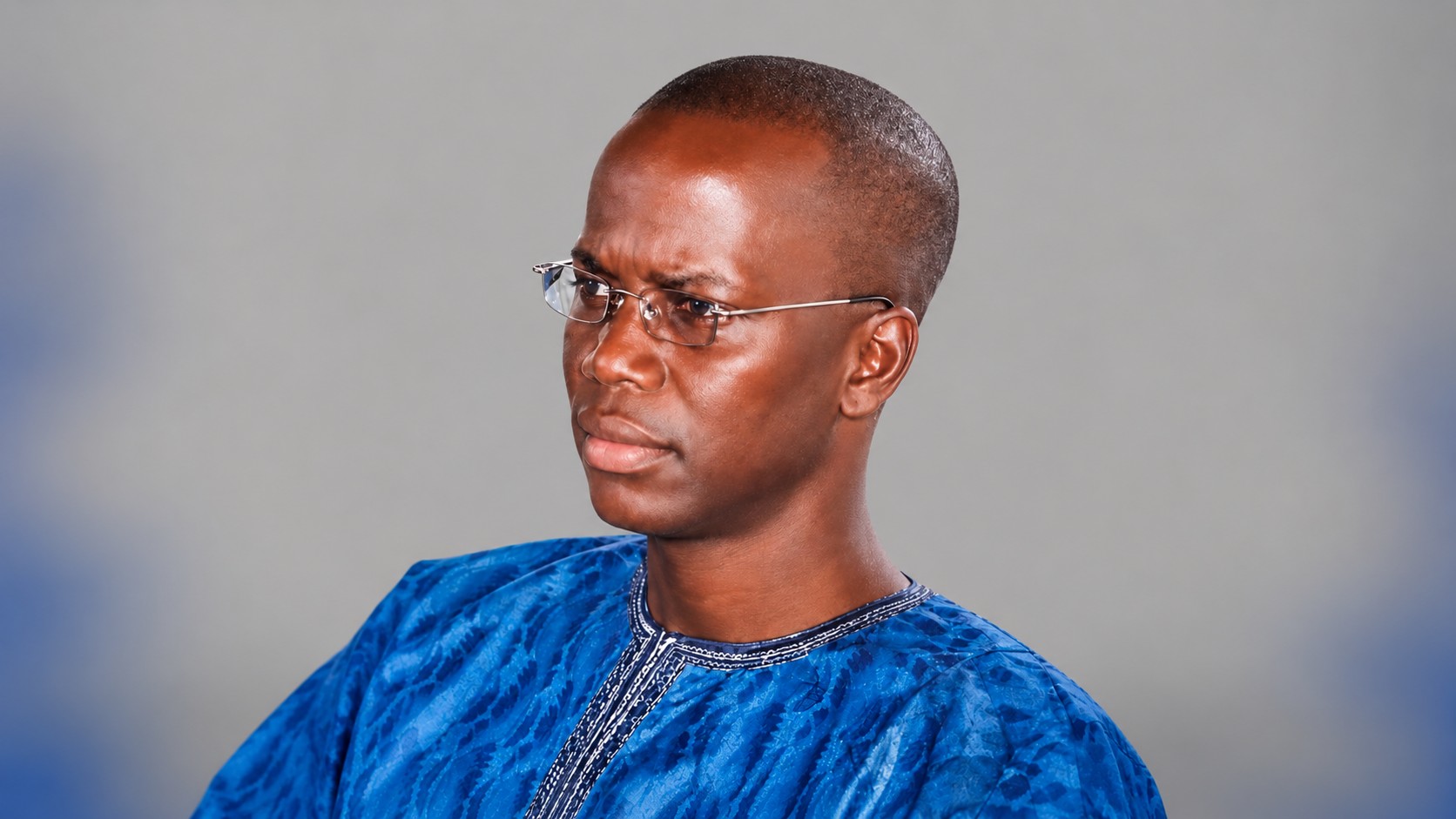
The National Coordinator of the Network Against Gender-Based Violence, Fallu Sowe, said survivors have a critical role to play in ending FGM and other forms of gender-based violence.
“Survivors play a crucial role in ending FGM and other forms of gender-based violence because you have the power, the initiative to lead and if you take up this challenge by yourself and go to your communities and say no to female genital mutilation, it will end because each of you has a family and also an influence over them,” he said.
He acknowledged that while men are often decision-makers, women also influence decisions within families and communities.
“Even though most of those who sing for the continuation of FGM are men, it’s you, the women and your daughters, who are affected and it’s only you who should stand firm to ensure that FGM ends in The Gambia,” he added.
Delivering the keynote address, UNFPA programme specialist Joy Michael said ending FGM requires more than awareness campaigns.
“Ending FGM requires more than awareness. It requires communities to question harmful norms together, institutions to provide quality services and leaders to speak with courage, while ensuring survivors help shape decisions that affect their lives,” she said.
Michael described the establishment of regional chapters as both timely and strategic, saying national commitments become meaningful when they reach women and girls at community level.
She said the chapters would help bring survivor voices closer to local decision-making, strengthen peer support networks, identify protection concerns early, and connect survivors to health, psychosocial, legal, and social services.
According to Michael, the regional chapters will also provide a platform for survivors to lead community dialogue based on their lived experiences.