
 111
111 2
2 3
3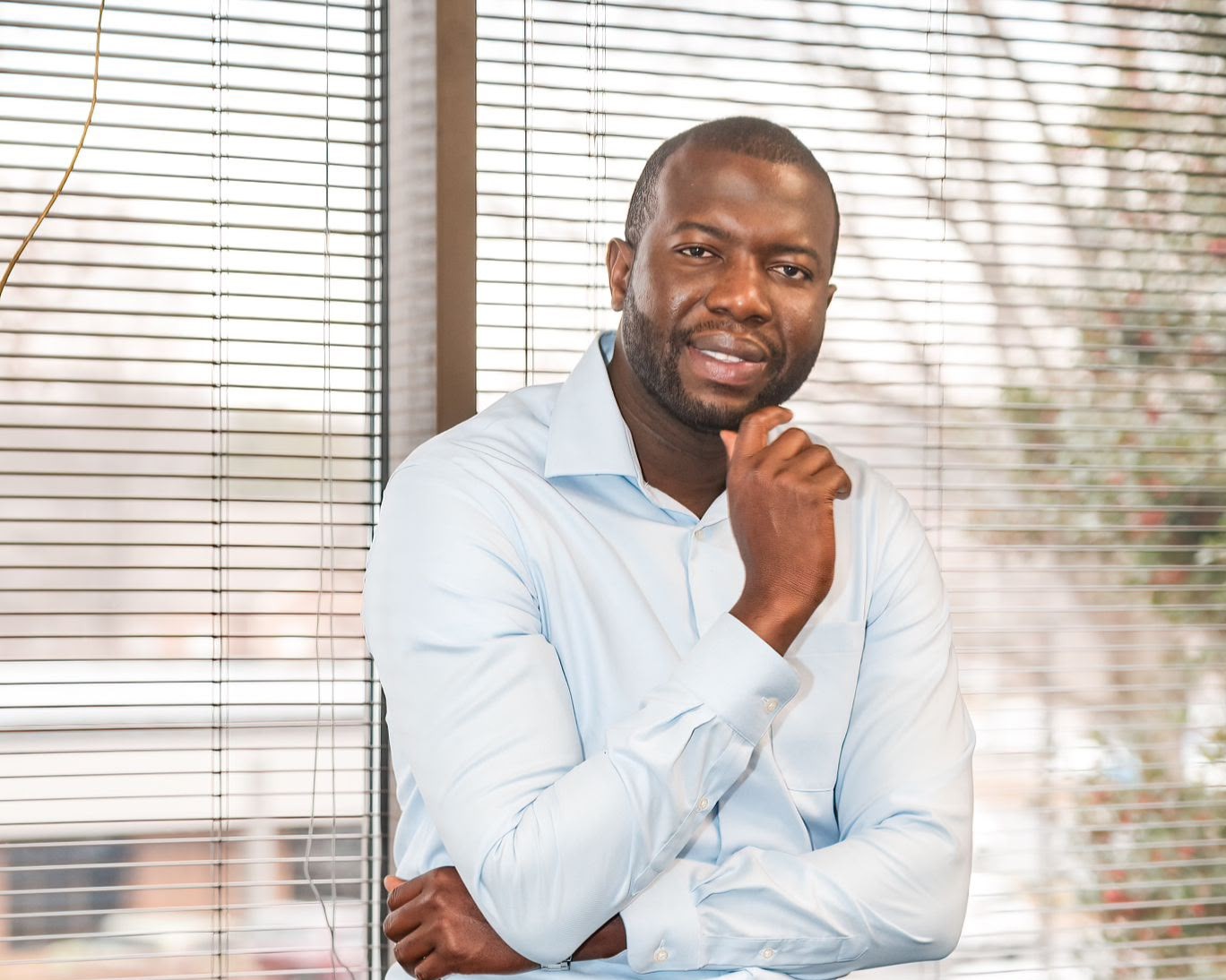
By Alhassan Darboe
When Kebba Madi first appeared on the scene, many of us, myself included, dismissed him outright. An unsophisticated upstart, we said, standing in front of an unfinished building that looked suspiciously like his own house, unable even to fix his own smile before asking the country to trust him with theirs.
That was a month ago.
Kebba Madi has since done something that separates the merely ambitious from the genuinely dangerous: he took the criticism, absorbed it, and came back sharper. Better optics. A bigger crowd. And, most tellingly, a message that lands.
In his most recent remarks, he took direct aim at a government buying multi-million-dalasi vehicles while the soldiers and civilians who protect the Crown, and pay the taxes that fund it, are left begging for rides to work on salaries that can’t keep up. That is not the rambling of a directionless populist. That is a scripted, disciplined line of attack, and lines like that don’t write themselves. Someone, or some force, is behind the pen.
What should genuinely unsettle those around President Barrow is not the speech itself, but where it’s coming from. Kebba Madi is not an outsider lobbing stones from a distance. He is a former NPP Youth President, a man who came up inside the party’s own machinery, who knows its strategies and who may well be privy to secrets, both past and present. That is not the profile of a man to be laughed off. That is the profile of a man to be watched closely.
History has a name for this pattern, and it isn’t kind to the powerful.
Empires are rarely destroyed by grand armies or foreign conquest. Rome’s greatest emperors did not fall to barbarians at the gate; they fell to the whispers of men inside the palace who had been dismissed, underestimated, or simply forgotten until it was too late to stop them. Caesar was not killed by an enemy general; he was killed by men who sat beside him in the Senate.
The most dangerous threat to power has always come from within, from the underling nobody bothered to take seriously until the knife was already drawn.
Africa’s own recent political history offers a sharper, more contemporary parallel.
In Kenya’s 2022 election, William Ruto, dismissed for years as a mere deputy, a “hustler” without the pedigree of the political dynasties he ran against, built a movement around exactly that resentment.
He turned “Hustler Nation” into a rallying cry against the establishment families who assumed the presidency was theirs to inherit, and he won. The lesson was not that Ruto had the bigger war chest or the grander name. It was that he understood grievance, organized it, and moved while his opponents were still busy underestimating him.
That is the pattern Kebba Madi appears to be following, whether by design or by instinct.
The worst pest in any house isn’t the one dramatic enough to make you throw out the mattress. It’s the tick: persistent, small, easy to ignore, and yet the reason nobody in that house sleeps soundly. That is the threat profile Kebba Madi now represents.
He may not look like a winner today. But he is fearless, he is speaking with purpose, and he carries the kind of rough, uncut potential that history has repeatedly shown we underestimate at our own peril.
Barrow’s camp would do well to remember: the emperors who fell rarely saw it coming from the direction they were watching.
Alhassan Darboe is a Gambian-American real estate businessman. He holds a Bachelor’s and Master’s degree in Communications from King University and Arizona State University, respectively.