
 111
111 2
2 3
3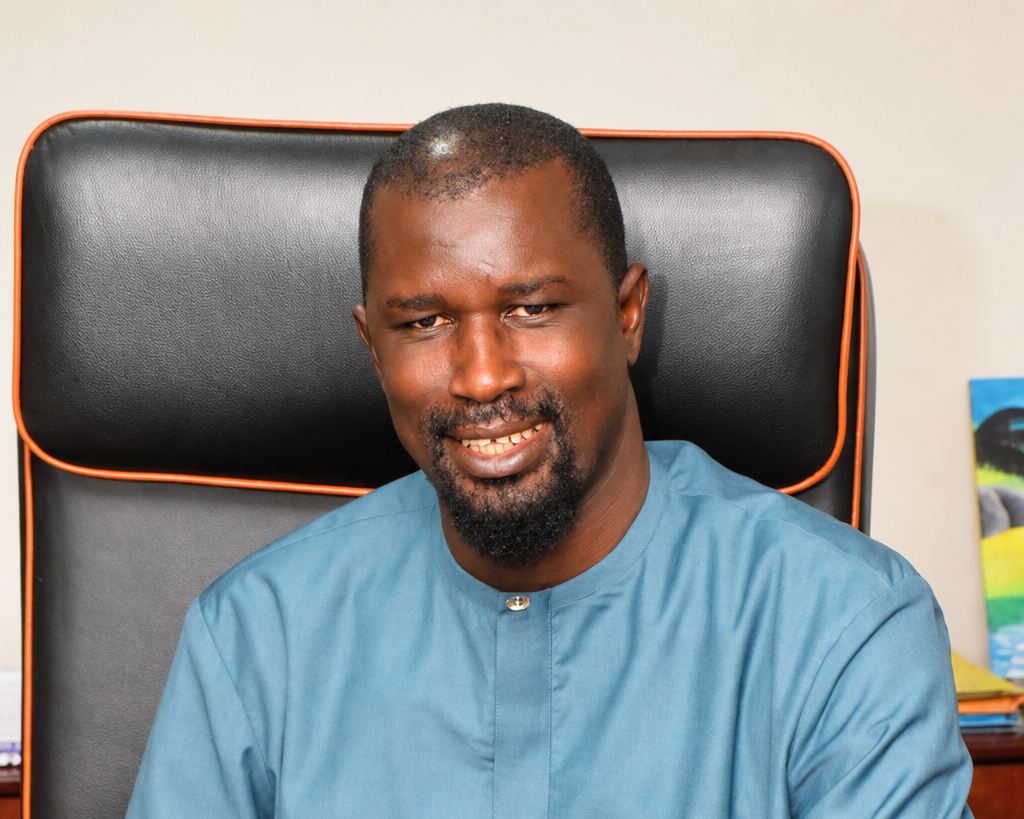
Written by: Mama A. Touray
The Supreme Court of The Gambia has set Friday, 10 July 2026, to deliver its judgment in the closely watched case challenging the removal of former Auditor General Modou Ceesay from office.
The case, brought by Ceesay against the Inspector General of Police and the Attorney General, centres on whether his dismissal and removal from office were unlawful and unconstitutional.
According to the Supreme Court Registry, notices have been issued to all parties, including counsel Lamin J. Darboe for the former Auditor General and representatives of the Attorney General’s Chambers, ahead of the judgment.
Ceesay was removed from office in September 2025. He subsequently filed an action before the Supreme Court, arguing that his removal violated the 1997 Constitution and the National Audit Office Act, 2015.
He contends that his dismissal amounted to unconstitutional interference with the independence of the Office of the Auditor General, which is protected under the Constitution. He further argues that his removal from office and eviction by police officers were unlawful.
In his statement of claim, Ceesay argued:
“The actions of the 1st and 2nd Defendants in entering or causing officers of The Gambia Police Force to enter the premises of the National Audit Office to forcefully remove the Plaintiff from his personal office and from his position as Auditor General are in violation of the Constitution and the National Audit Office Act.”
He further maintained that his appointment could only be terminated through the due process prescribed by law, which he says was not followed.
According to Ceesay, the police had no lawful authority to remove him, and their actions undermined both his constitutional rights and the institutional independence of the National Audit Office.
During final submissions, counsel Lamin J. Darboe argued that Ceesay, who occupied a constitutionally protected office, was removed through the intervention of police officers acting under directives issued through the President, the Ministry of Justice and the Inspector General of Police.
Darboe submitted that the Office of the Auditor General is protected under Sections 158, 159, 160 and 169 of the Constitution, as well as Section 164 of the National Audit Office Act.
He further argued that the Constitution provides only two grounds for removing an Auditor General: inability to perform the functions of the office due to physical or mental incapacity, or incompetence. He said any such removal must follow the establishment of a tribunal chaired by a High Court judge.
Counsel argued that Ceesay was “neither mentally nor physically incapacitated, nor incompetent,” and therefore could not lawfully be removed from office.
Meanwhile, counsel Ida Drammeh, representing the State, argued that the former Auditor General was not forcefully removed. She submitted that during his testimony, Ceesay told the court that “he was asked to leave and he complied.”


