
 11
11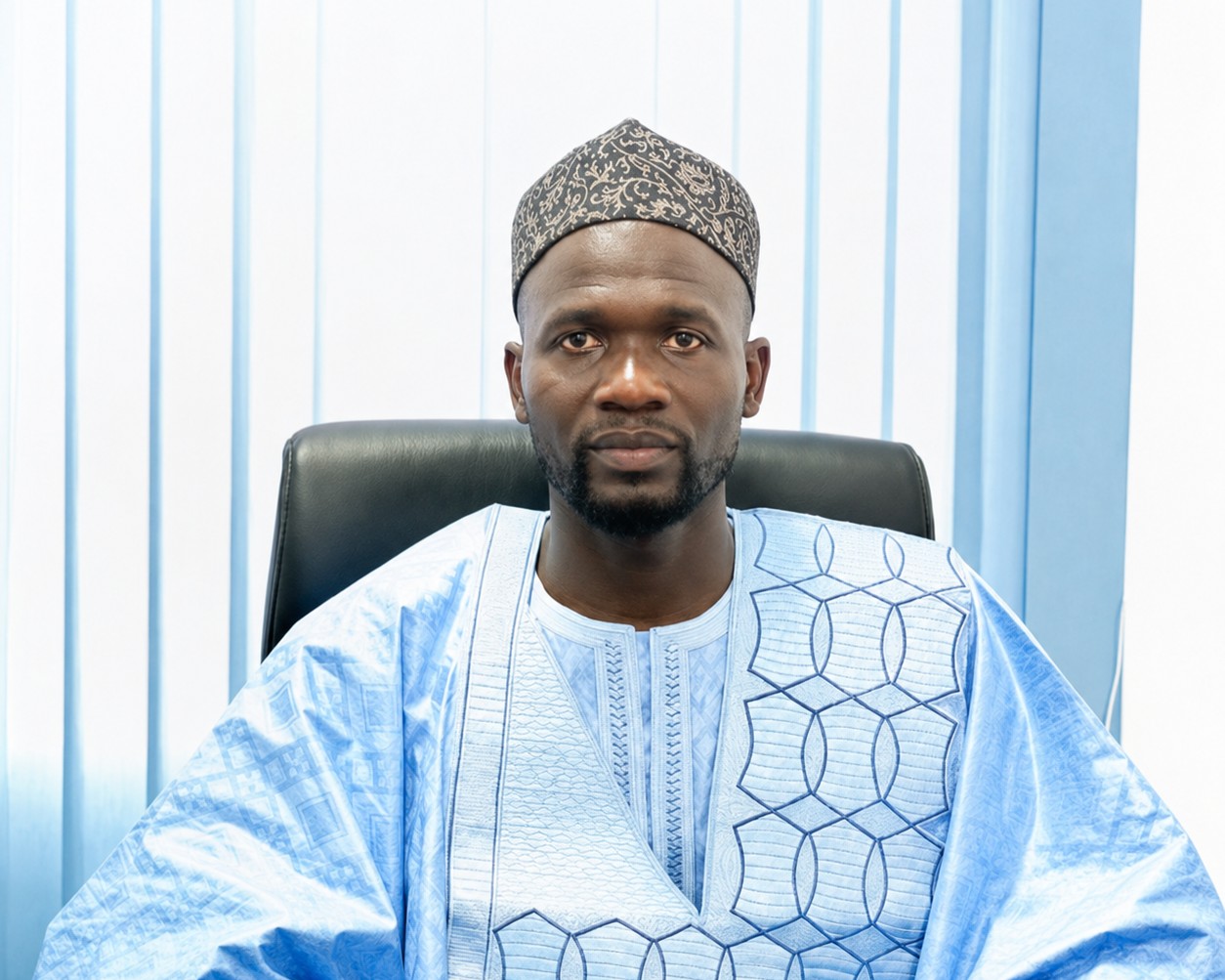
Written by: Alieu Jallow
Staff of Star TV & FM have rejected claims by the institution’s Managing Director, Kawsu Badjie, that their ongoing sit-down strike is not driven by salaries but by resistance to newly introduced workplace reforms.
Speaking anonymously to this medium amid the continuing impasse, several employees described the Managing Director’s account as misleading, insisting that the strike was triggered by years of poor remuneration, difficult working conditions and what they described as unfulfilled promises by management.
One employee said she had served the institution for years, earning D2,000 per month for several years before her salary was recently increased to D3,500.
“I was receiving D2,000, and they recently added D1,500 to make it D3,500, from which social security is still deducted. I work six days a week with only one day off. Sometimes when the station is short-staffed, they call you in to work double shifts lasting more than seven hours without any additional compensation,” she alleged.
Another staff member also dismissed the Managing Director’s assertions, maintaining that they do not reflect the realities faced by employees.
“The statements being made by the Managing Director denying the allegations are false. I am a staff member at Star TV, and I currently receive a salary of D3,500 per month while working six days a week. I have evidence to support what I’m saying, including proof of my salary and working conditions,” the source claimed.
In a written message shared with this medium, another employee lamented what they described as years of sacrifice with little reward.
“History will judge Star FM/TV as one of the worst institutions for its own people. We all come from homes with heavy responsibilities, feeding our families, paying school fees for our children and siblings, and settling daily bills. After dedicating years of our sweat and labour to help build this institution and earn it national and international recognition, receiving mere pennies at the end of every month is profoundly disappointing and disheartening. I just hope that, for once, management will do the right thing.”
In a WhatsApp voice note obtained by this medium, another employee criticised management’s reported proposal to delay salary adjustments for another three months, arguing that workers could no longer bear the burden amid rising transport costs and the increasing cost of living.
Another staff member recalled that shortly after his appointment as Managing Director, Kawsu Badjie initiated a SWOT analysis exercise, during which staff were asked to complete assessment forms.
However, the employee claimed there was no visible follow-up or implementation of the exercise’s findings, adding that some employees continued working without formal contracts despite promises of improved conditions and salary increments.
The staff member further alleged that repeated engagements with management yielded little progress, forcing several employees to resign.
“Despite personal engagements, many people resigned, and those resignations should have rung alarm bells. Unfortunately, no action was taken to fill the gaps or address the reasons people were leaving. It is therefore surprising for the Managing Director to speak about reforms because none of the staff ever saw the reform document he is referring to. Nobody saw it in black and white,” the source alleged.
According to the employee, staff meetings were largely focused on programming, while concerns relating to staff welfare and the working environment received little attention.
The source also alleged that poor working conditions extended to the station’s studios, where faulty air conditioning systems had become a recurring concern.
“Members of staff are not happy working on programmes because the air conditioning in the studios is not efficient. During PURA’s recent sensitisation programme on the transition to nine-digit phone numbers, both the television and radio teams raised complaints. The CEO, the manager and the programme director were all present. Even guests who come to the station have expressed concerns.”
Staff further claimed that management had earlier promised salary increases in January but failed to implement them. They said employees later wrote to management seeking clarification and were reportedly informed that the matter would be addressed within three months.
According to one employee, the lack of concrete action eventually prompted staff to embark on the sit-down strike.
“Management never formally wrote back to us. Instead, only a few people were invited to a meeting and told to wait another three months. That was what triggered the sit-down strike. We stayed home hoping management would engage us, but there was no response. Then, around 7 p.m. yesterday, we saw reports on social media about the strike. I believe management had a hand in leaking our internal document because we only had soft copies, and the scanned version that appeared online could only have come from within the office,” the employee alleged.
The sit-down strike has now entered another phase, with management and employees continuing to offer conflicting accounts over the causes of the industrial action.
While Mr. Badjie has maintained that the dispute is primarily linked to resistance to newly introduced workplace reforms, employees interviewed by this medium insist that low wages, poor working conditions and what they describe as unfulfilled commitments remain the main reasons behind their protest.