
 11
11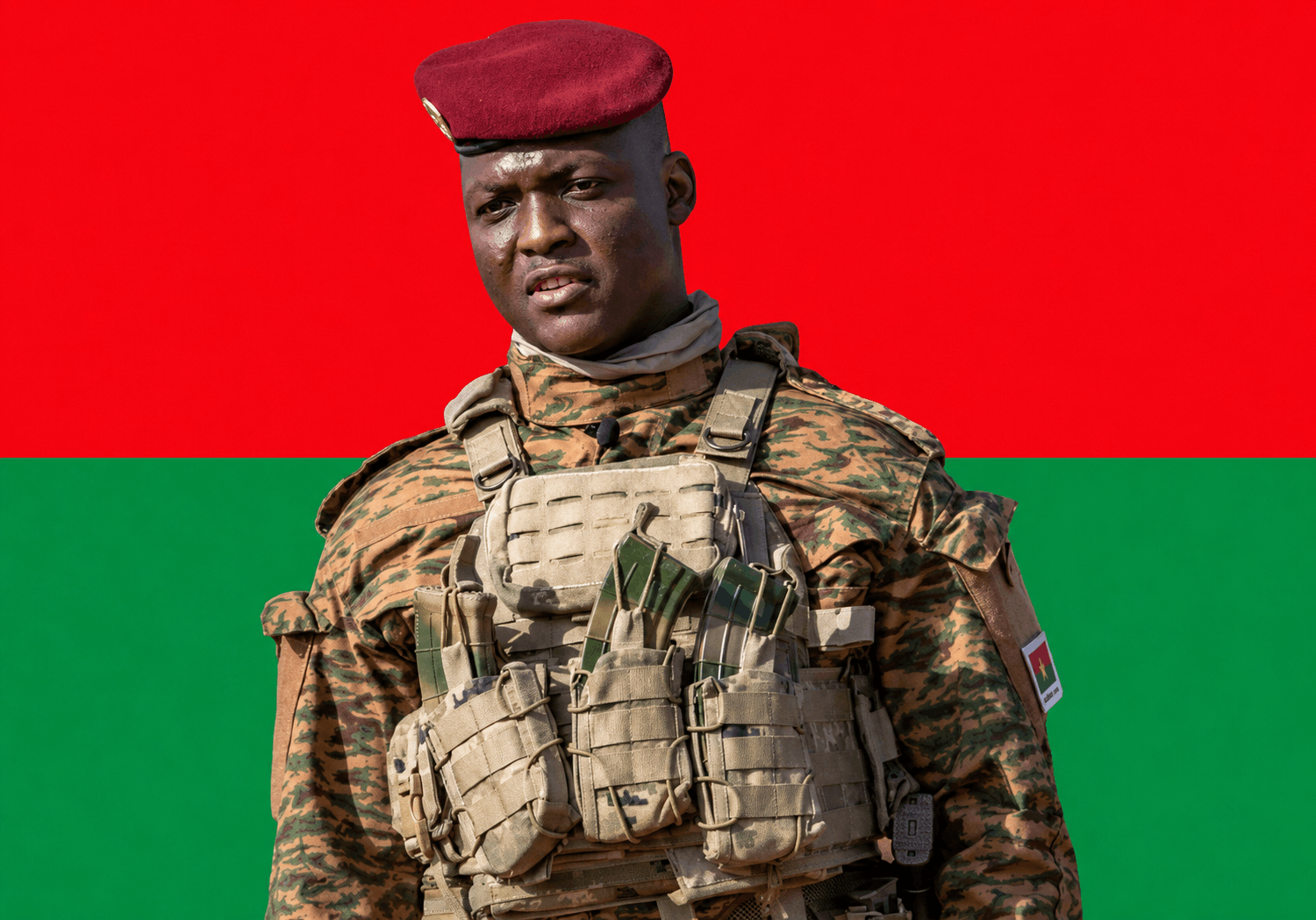
Published by: The Fatu Network
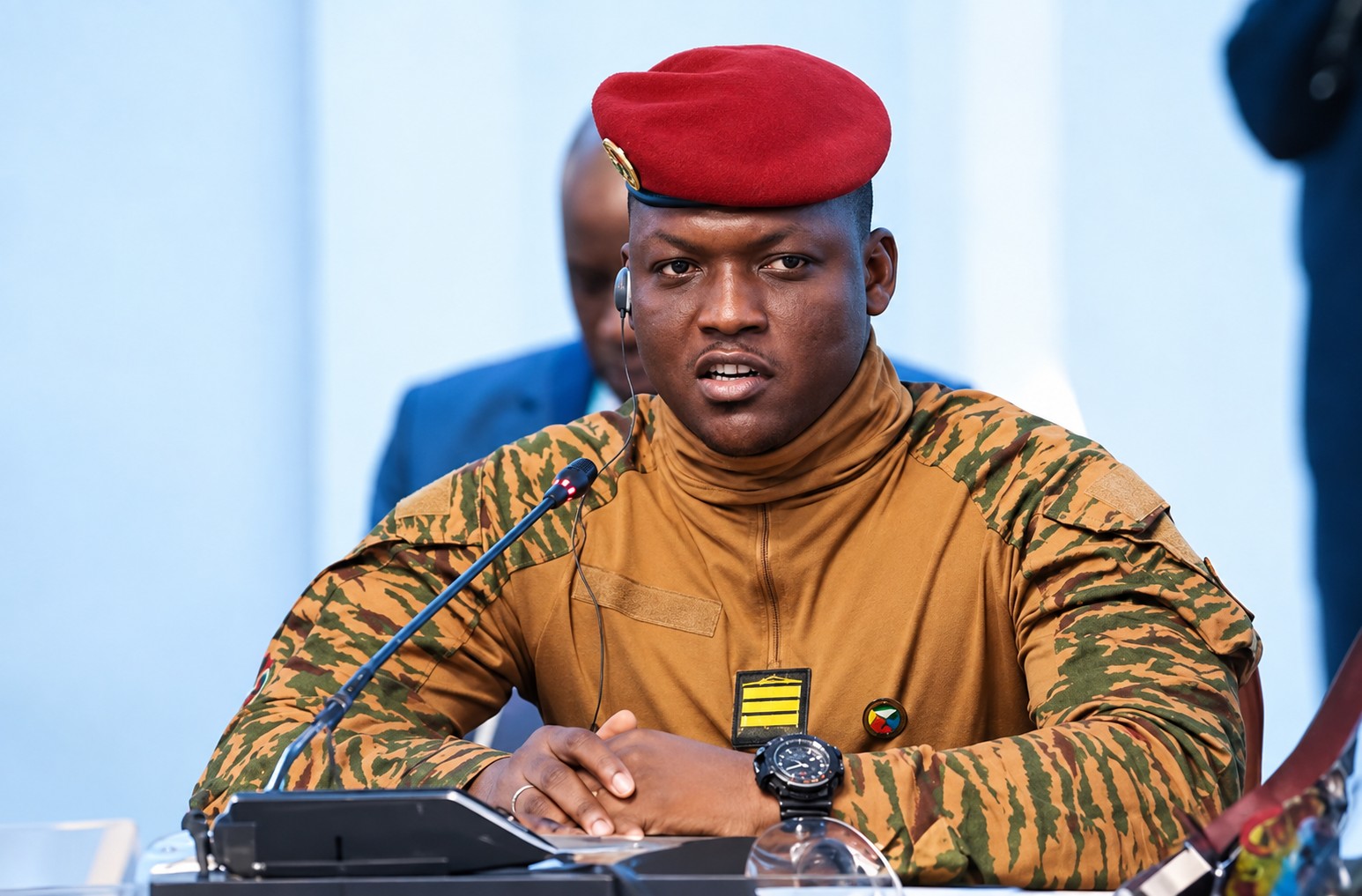
Months after Burkina Faso’s military government moved to ban places of worship inside public institutions, the policy continues to fuel debate over the role of religion in a secular state.
Supporters argue it simply enforces the country’s long-standing constitutional secularism, while critics see it as an unnecessary restriction on religious practice.
Many backing the move say that even if President Captain Ibrahim Traoré wanted to, Burkina Faso could not become a religious state overnight.
They point out that the country’s secular status is protected by its constitution and argue that transforming the state along religious lines would require far more than allowing mosques, churches or other places of worship inside government buildings.