
 11
By Dawda Baldeh
The opposition National Democratic Party (NDP) has launched its manifesto for the December presidential election, promising to create 150,000 jobs, boost domestic food production and pursue what it describes as “economic and cultural sovereignty” for The Gambia.
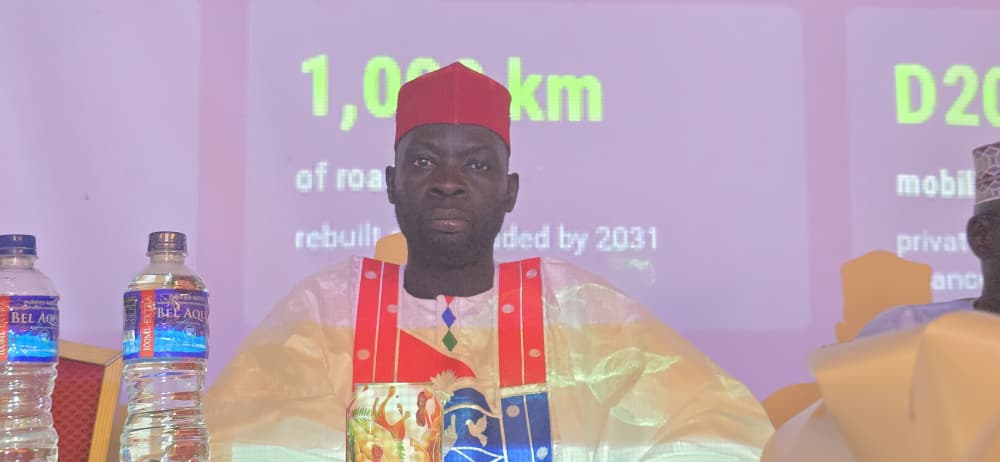
The manifesto was unveiled at the Kairaba Beach Hotel by Ousainou Allen, leader of the allied National Alliance for Accelerated Advancement (NAFAA), who said the party’s vision was centred on building a strong middle class and reducing dependence on external financing.
“If we have a middle class that is strong, these are the people who own businesses,” he said. “If you support them, then the problem of employment starts becoming fixed.”
Among its headline pledges, the NDP says it will create 150,000 productive jobs within five years, raise local production of key staples including rice, millet, eggs and poultry to 50%, and mobilise more than D20 billion through diaspora investment and alternative financing mechanisms.
The party also promises to expand access to clean drinking water to 90% of the population, direct 25% of students into technical and vocational education, and provide 30,000 internships to help bridge the skills gap.
On healthcare, the manifesto calls for stricter oversight of pharmaceutical imports and child immunisation programmes, while proposing long-term investments in medical education and training.
The NDP also proposes integrating traditional Islamic schools, including Daras and Majalis, into the national education system, giving them access to public infrastructure, feeding programmes and educational resources.
Other commitments include rehabilitating major transport corridors, expanding solar mini-grid systems, reducing energy import dependence, and strengthening border demarcation to support agriculture and resource management.
With just weeks to go before the 5 December election, the party says its programme is designed to move The Gambia from reliance on imports towards what it describes as self-sustaining economic growth.