
 11
11
Published by: The Fatu Network
A standoff is growing between the Gambia Press Union (GPU) and the government over proposed media regulations, after journalists and civil society groups boycotted a validation workshop on Monday, April 13th, and Information Minister Ismaila Ceesay defended the policy.
The GPU said 16 media, civil society, and academic groups had already rejected the proposals at an April 8th emergency meeting, warning that a state-led registration system would give authorities “unlawful and arbitrary powers… to decide who practices journalism or not,” and could “stifle press freedom, freedom of expression, [and] media independence,” raising fears it could reverse recent gains in media freedom.
The stakeholders also warned that the proposals could effectively place control of the media under state influence, limiting independent journalism and critical reporting.
The groups further opposed provisions targeting social media users with large followings, arguing the move would “negatively affect and restrict the civic space and the right to freedom of expression online.”
Their boycott targeted a workshop organised by the Public Utilities Regulatory Authority (PURA), where draft regulations, including the Broadcasting and Online Content Regulations, 2026, were being validated.
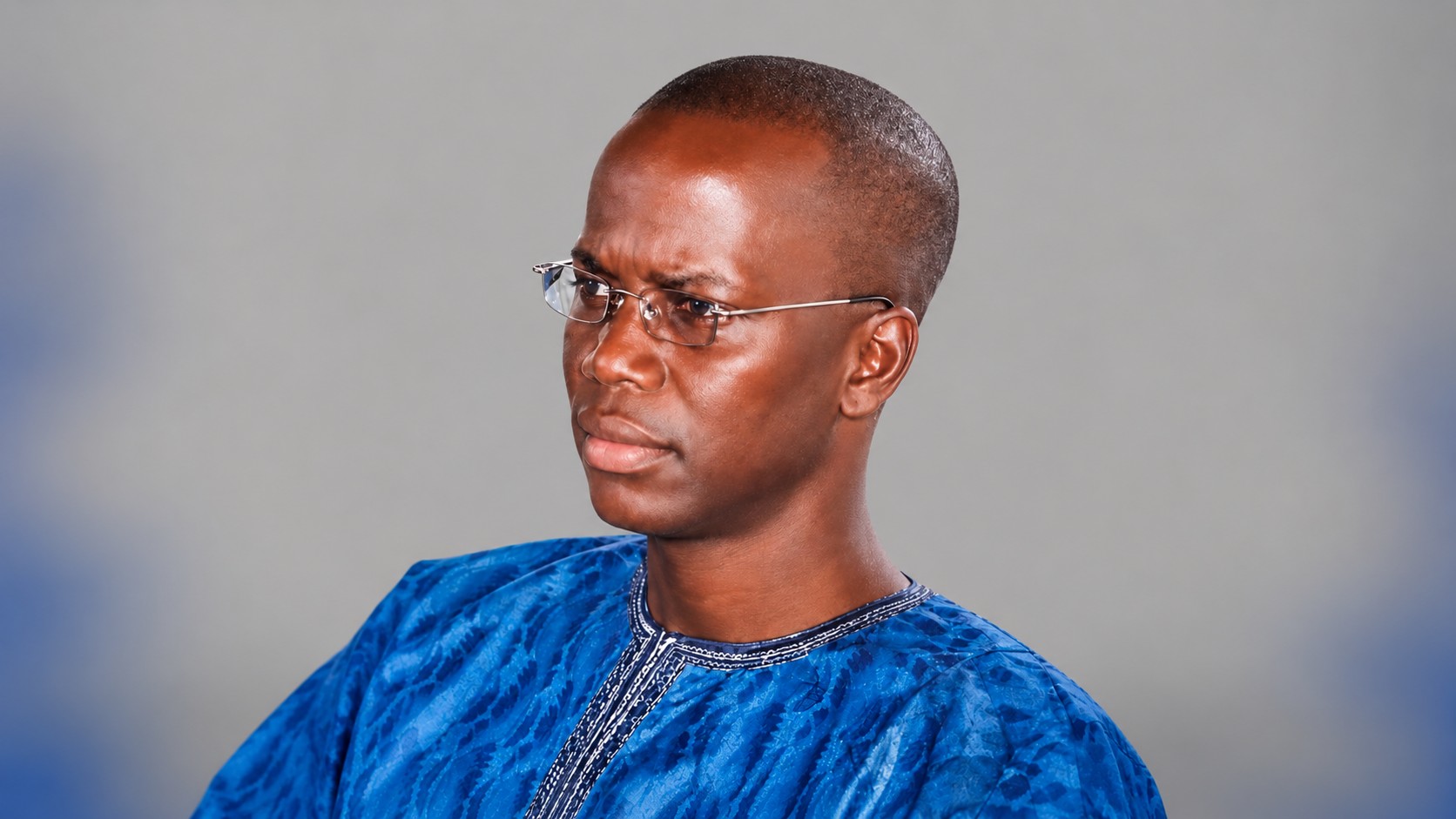
At the event on Monday, April 13th, Minister Ismaila Ceesay was heard on a hot mic reacting after learning of the boycott, saying: “That’s their problem. That’s what I usually want, for them to boycott…”
Minister Ceesay later issued a detailed public response, insisting the backlash was driven by “fear, speculation, and, in some cases, deliberate misinformation,” and rejecting claims that the regulations threaten press freedom.
“The core objective of the regulation explicitly states that it seeks to ‘safeguard and uphold constitutional rights, including freedom of expression,’” he said, adding that it “does not introduce prior censorship” but instead establishes “post-publication accountability,” while “ensuring that expression does not cross into harm, such as incitement to violence, hate speech, or exploitation.”
He also dismissed concerns about state control, stating: “The role of the regulator is oversight, not control,” and clarified that rules on social media apply only to users with “significant public reach,” not ordinary citizens.
On journalist registration, Minister Ceesay said it “is not required to practice journalism,” but applies only within regulated platforms for “professional record-keeping.”
However, fresh concerns have emerged from within government ranks. According to reporting by The Standard, Kissima Bittaye, a lawyer from the Ministry of Justice, warned that aspects of the policy could conflict with Section 25 of the 1997 Constitution, which guarantees freedom of expression.
“I believe even we lawyers are actually registered by the General Legal Council… not the Ministry of Justice,” Bittaye said, cautioning that allowing PURA to regulate journalists could create “risks of interference.”
He further warned that giving regulators power to determine “prohibited content” carries “a very high” risk of bias, adding: “The danger of cherry picking… is too high.”
The dispute reflects a growing divide, with the government presenting the regulations as a framework for accountability, while journalists and rights groups warn they could enable state control.