
 11
11
By Alieu Jallow
Chengdu, Sichuan Province, China
Participants attending a seminar on ecological governance and ecotourism development for Belt and Road countries say the knowledge and experience gained in China could help strengthen environmental protection, sustainable tourism and community development in their respective countries.
The seminar, organised by the Biogas Institute of the Ministry of Agriculture and Rural Affairs (BIOMA), brought together participants from 10 countries across West, East and Central Africa and the Middle East. It began on Thursday, August 13, 2026, in Chengdu, Sichuan Province, China.
The programme forms part of China’s people-to-people exchanges under the Belt and Road Initiative (BRI), aimed at promoting knowledge sharing, professional exchanges and mutual understanding between China and participating countries.
Through lectures, discussions and exchanges, participants are learning about China’s approaches to ecological governance, environmental conservation, sustainable tourism and community development, while sharing experiences and challenges from their own countries.
For many participants, however, the seminar goes beyond an academic or professional exchange. They see it as an opportunity to identify practical approaches that could be adapted to address environmental, tourism and ecological challenges at home.
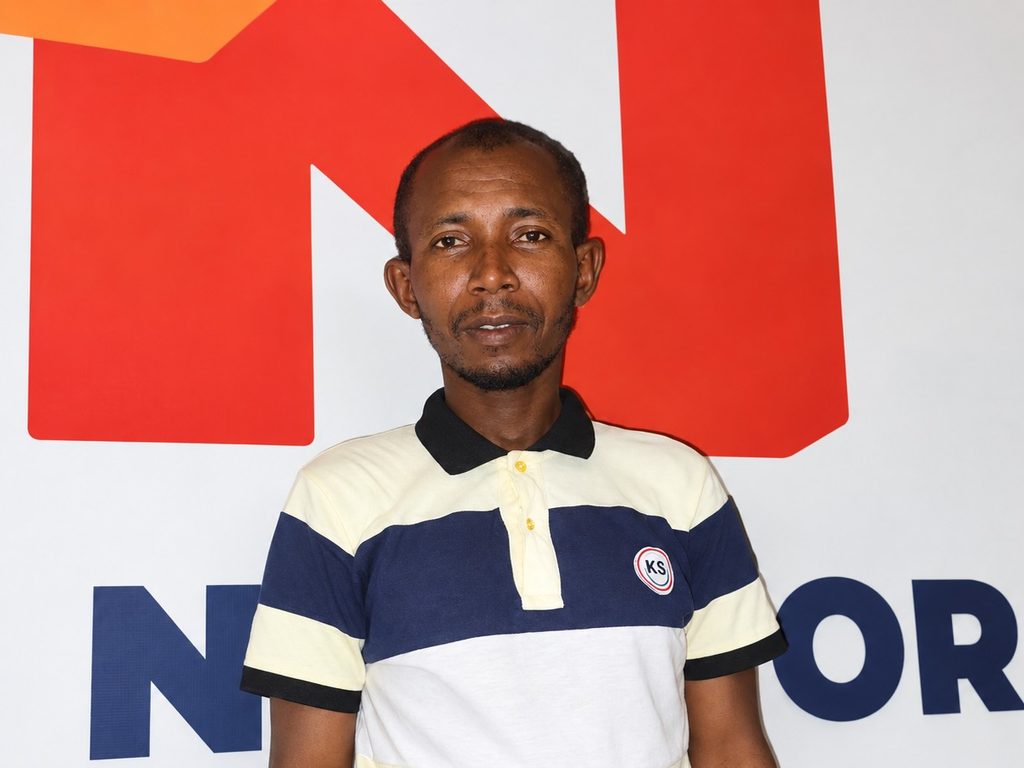
Nyima Sillah, an investigative reporter with Malagen, described the experience as insightful and inspiring, particularly because of the opportunity to explore the relationship between ecological governance, environmental conservation and sustainable ecotourism.
“It has given me an opportunity to learn more about the connection between ecological governance, environmental conservation, and sustainable ecotourism, as well as to exchange ideas and experiences with participants from different backgrounds,” she said.
Sillah said she expects the seminar to provide practical knowledge that will strengthen her work as a journalist, particularly her reporting on environmental protection, sustainable tourism, climate-related challenges and the role of local communities.
She said the programme has also deepened her understanding of ecotourism, which she believes should go beyond attracting visitors to include protecting natural resources, empowering communities, preserving biodiversity and contributing meaningfully to local development.
“One of the key lessons I hope to take from this seminar is to learn more about successful models of community-based ecotourism and ecological governance that could provide useful lessons for The Gambia,” she said.
Sillah said she intends to use the knowledge gained to strengthen solution-oriented journalism by reporting on China’s experiences in ecological governance, environmental conservation and sustainable ecotourism, while examining how relevant approaches could be adapted to The Gambia’s circumstances.
For Esraa Almashalah of Jordan, the seminar offers an opportunity to acquire practical knowledge that could contribute to addressing environmental and ecological governance challenges in her country.
“My expectation about the seminar is to gain practical information on how to solve challenges in Jordan in environmental protection and water resources,” she said.
Indonesian participant Abdul Kholik said he hopes the programme will build on his existing knowledge of ecotourism and provide practical ideas that could contribute to the further development of Indonesia’s tourism sector.
“Indonesia has many tourism attractions that can certainly be improved after learning from the lectures and experiences,” he said.
Trias Adelins said that although participants come from different countries, speak different languages and have varied professional backgrounds, they are united by a shared interest in learning from one another and contributing to a greener and more sustainable future.
She expressed appreciation to BIOMA and the organisers for providing a platform for participants to exchange knowledge, experiences and ideas.
“On behalf of all participants, I would like to express our sincere gratitude to BIOMA, the Biogas Institute of the Ministry of Agriculture and Rural Affairs, for this wonderful opportunity and warm hospitality. May this seminar give us not only new knowledge, but also new friendships, new ideas, and new opportunities to work together,” she said.
The participants’ expectations reflect one of the objectives of China’s Belt and Road people-to-people exchange programmes: providing platforms for participating countries to share experiences, learn from one another and explore practical approaches to common development challenges.
For participants from countries including The Gambia, Jordan and Indonesia, the longer-term value of the Chengdu experience will depend on how effectively the knowledge gained can be translated into practical action at home.
From stronger environmental reporting and community-based ecotourism to biodiversity protection, sustainable tourism and improved ecological governance, participants believe lessons from China could help inform approaches suited to the needs and circumstances of their respective countries.
For them, the seminar is not simply about what they learn in Chengdu, but what they are able to do with that knowledge when they return home.