
 11
11
Written by: Alieu Jallow
As The Gambia continues to navigate its post-transition development path, concerns are growing over the pace, consistency, and intent behind national progress. While the government has made visible strides in infrastructure and public service delivery in recent months, critics argue that the pattern reflects a deeper structural issue, one where development appears tied more to political timing than to a sustained national agenda.
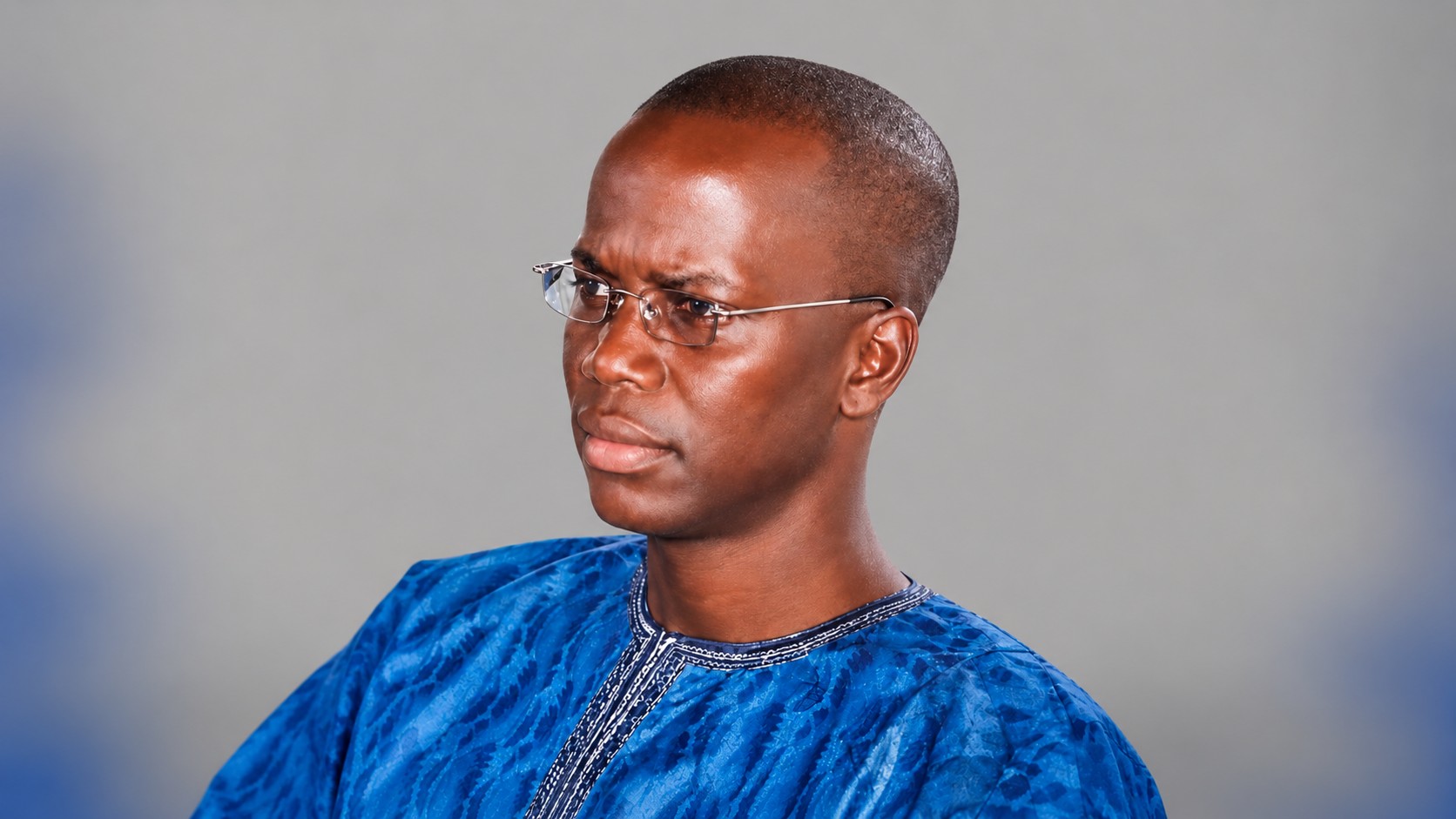
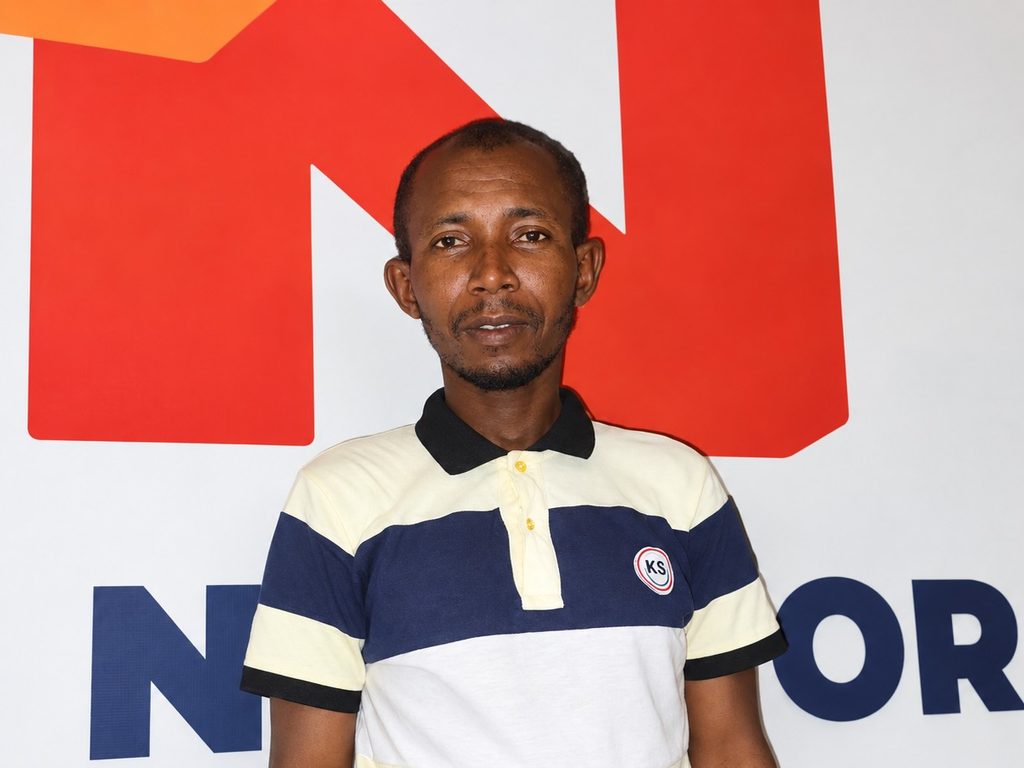
Weighing in on the debate, Amadou Jaiteh, an international lawyer and former legal adviser at The Gambia’s Mission to the United Nations in New York, said “the Gambian people deserve more than periodic progress.” His remarks come in the wake of a nationwide development tour led by Adama Barrow, which saw a surge in project inaugurations across the country.
Jaiteh argues that development in a sovereign republic must be understood as a right, not a privilege. Funded by taxpayers and supported by international partnerships secured in the name of citizens, public projects, from ferries to rural electrification, represent obligations fulfilled by the state, not favours dispensed by political leadership. Framing such initiatives as personal achievements, he notes, risks undermining the foundation of the social contract.
The recent wave of project commissioning has drawn particular scrutiny. Observers point to the timing of these activities, noting that many sectors now witnessing rapid progress had experienced slower implementation in previous years. For Jaiteh and the PROGRESS movement, this pattern raises concerns that development in The Gambia is being synchronised with the political calendar, rather than guided by a consistent and institutionalised framework.
He also questions the necessity of the President’s direct involvement in commissioning a wide range of projects, particularly at the community level. According to Jaiteh, such responsibilities could be effectively delegated to ministers, technocrats, and regional authorities, allowing the presidency to focus on national policy direction. Instead, he argues, these tours have evolved into large-scale public events requiring extensive logistical arrangements, security deployments, and motorcades, placing additional strain on already limited state resources.
Beyond issues of efficiency, Jaiteh warns that the broader implication lies in how citizens perceive development. When access to basic services appears concentrated around politically sensitive periods, it risks creating a culture where essential needs are seen as rewards tied to leadership visibility rather than guaranteed rights. This, he suggests, weakens accountability and blurs the line between governance and political campaigning.
The PROGRESS movement maintains that a credible development legacy should be built on steady and predictable delivery of services throughout a government’s tenure. Sustainable progress, Jaiteh argues, is measured not by the volume of ribbon-cutting ceremonies, but by the consistency with which citizens experience improvements in their daily lives.
As The Gambia edges closer to another electoral cycle, the discussion around development is expected to intensify. While the recent projects are widely acknowledged as necessary and long overdue, their concentration within a narrow timeframe continues to fuel debate over whether governance is being driven by long-term national priorities or short-term political considerations.
For many, the message from Jaiteh is clear: development must be continuous, reliable, and insulated from political timelines. In a functioning democracy, it is not a campaign tool or a symbolic gesture, it is a standing obligation that the state owes its people, every day and without condition.