

 11
11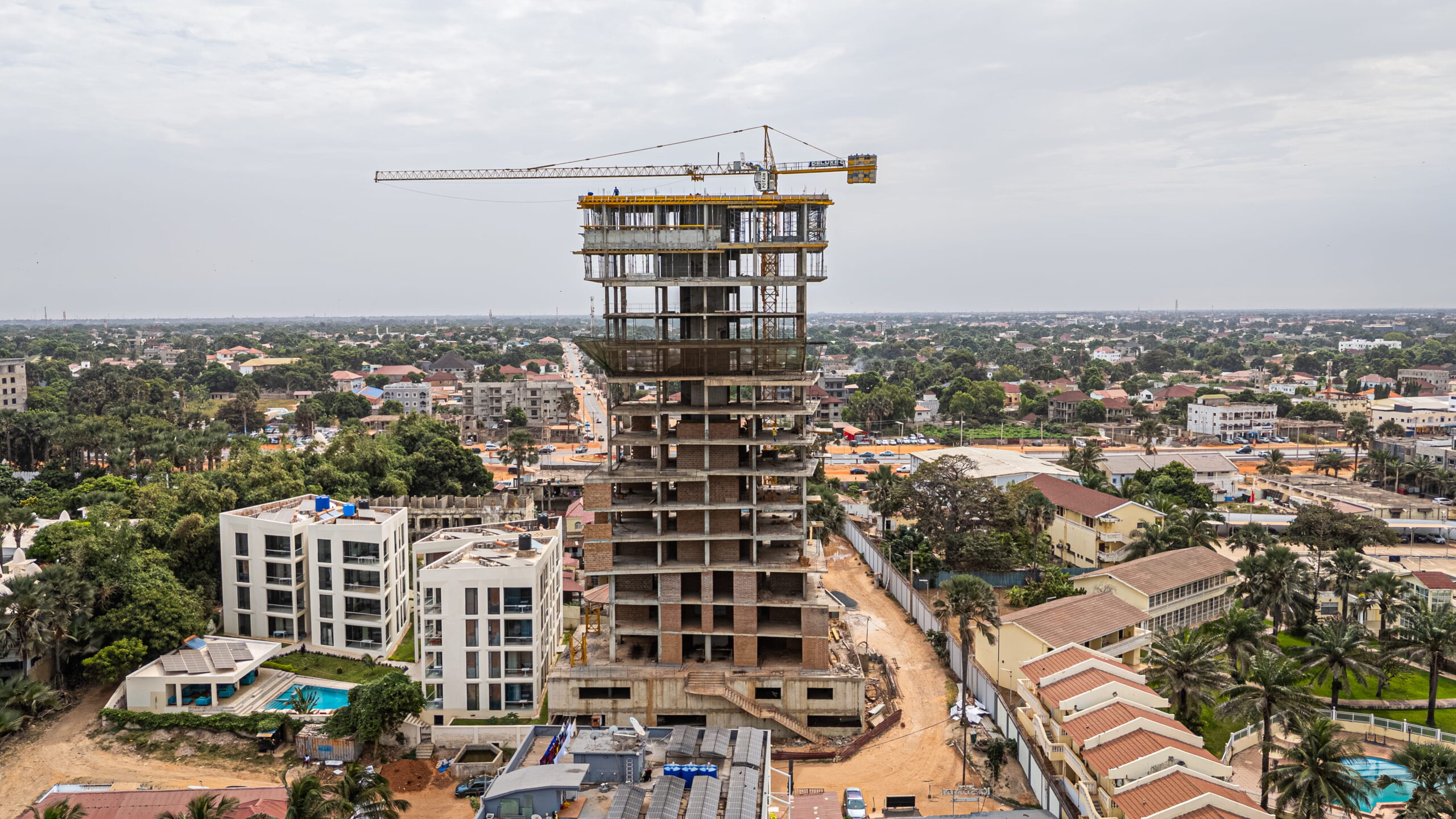
Investigation by: Seringe S.T. Touray
Editor-in-Chief of The Fatu Network
This is Part Two of The Fatu Network’s ongoing investigation, following the first report, Bitcoin Tower Dispute: Austrian Developers Detail Their Account as The Fatu Network Launches Investigation, which examined claims of financial irregularities made by Austrian developers Angelika and Manuel in a dispute over control of what is currently the tallest building in The Gambia.
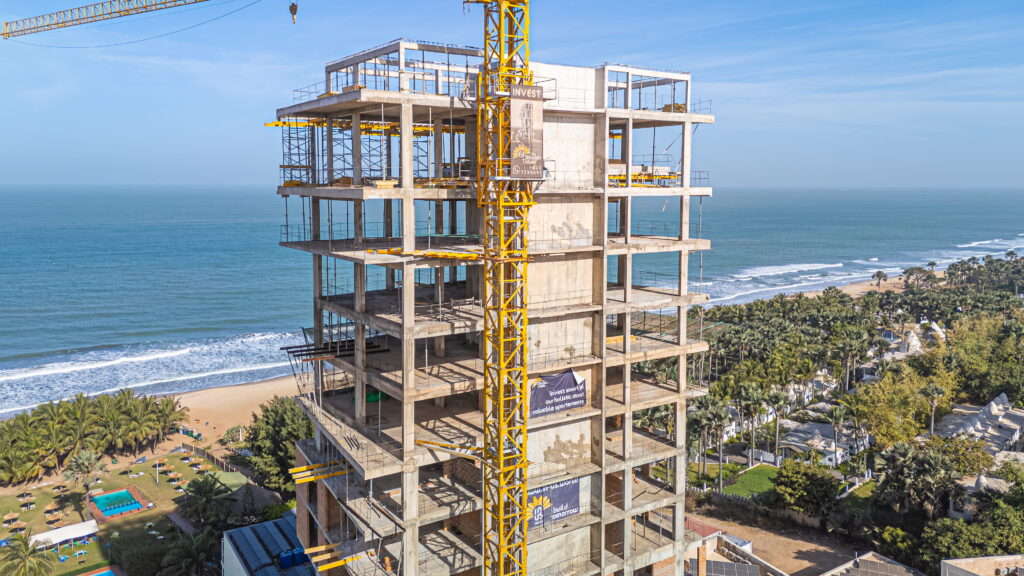
In the first part of this investigation, The Fatu Network examined the account put forward by Angelika Mitterer and Manuel Stofleth-Mitterer, who alleged financial irregularities, intimidation, and a breakdown in their partnership with local stakeholders Ebrima Solomon Tamba and Marcel Lambertus Teunis van Andel, in connection with The Edge, a completed apartment development, and the still-unfinished Bitcoin Tower project in Bijilo.
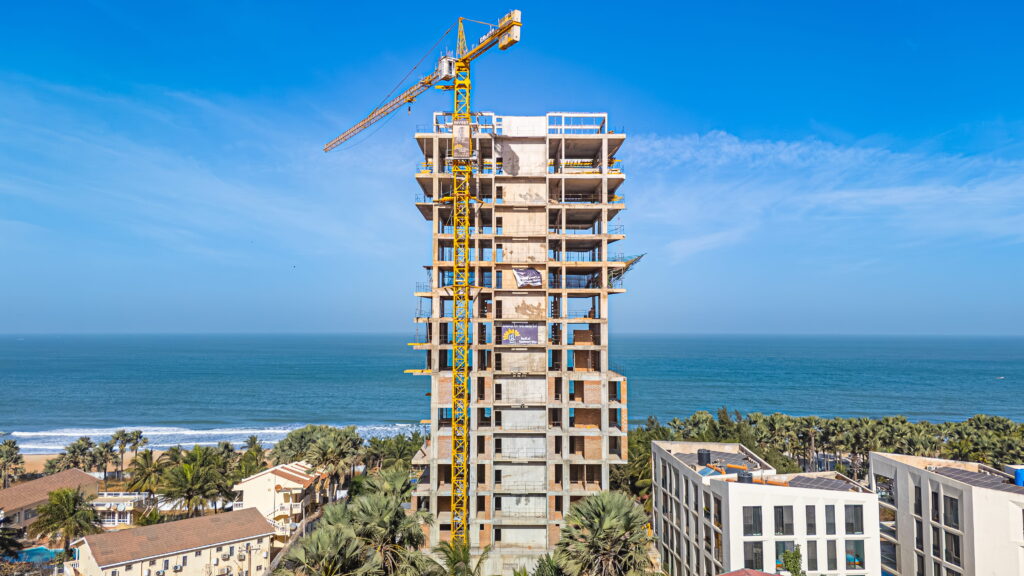
That article drew a detailed response from businessman Mr. Tamba, who is linked to the Kunta Kinteh Beach Complex in Kotu and who rejected their version of events in strong terms. But once Tamba’s reply was placed alongside the documents and clarifications later submitted by Angelika and Manuel, a more complicated picture emerged, one that turns not only on accusation, but on chronology, paperwork, and who can actually back up what they are saying.
Tamba’s response does not deny the existence of the €165,000 private loan from Manuel. In fact, he confirms receiving it. His version is that he approached Manuel while under pressure from Trust Bank (Gambia) Limited after helping a friend’s brother secure a separate loan using Kunta Kinteh as collateral. He says Manuel agreed to help him and later moved to formalise the debt through a repayment plan.
According to Tamba, he accepted the arrangement believing the loan could eventually be repaid from future earnings, including potential dividends from Kasumai Real Estate. However, this was not part of the agreed terms. The loan was formalised in a promissory note, a written agreement setting out fixed repayment obligations and timelines, secured against his shares in the company. Tamba claims that both he and Marcel, the other shareholder in Kasumai Real Estate, were supposed to receive €510,000 in July 2021, but suggests Manuel later used that promissory note to take control of his shares rather than simply recover a debt.
That is one of the first major points challenged by Angelika and Manuel. In their written clarification, they note the timeline itself makes Tamba’s dividend claim impossible. They state that they only arrived in The Gambia on June 29th 2021, that Tamba was first introduced to them in September 2021, and that Marcel came later still. On that basis, they argue that no agreement about a July 2021 payout could have existed. They go further, saying that no such agreement was reached at any later stage either, and that paying out the full value of the land contributed by the local partners from the earliest apartment sales would have made no commercial sense, because those funds were needed to finance construction.
That clash over timing matters because it sits at the centre of Tamba’s attempt to recast the loan as something less straightforward than the first article suggested. While confirming the €165,000 loan, Tamba also refers to a €15,000 transfer Manuel made in January 2024 to a third party, Coulin Pierre, which he suggests should be treated as part of the money Manuel gave him, reinforcing his broader argument that their financial dealings were not as rigid or clearly defined as later presented by Angelika and Manuel.
Angelika and Manuel respond that this payment was separate from the loan, pointing to bank records reviewed by The Fatu Network showing it was made months after the promissory note was signed, and therefore cannot be considered part of the €165,000 arrangement.
Tamba also argues that Manuel had no real financial standing to make the claims he later did. “He who doesn’t have money cannot give out money,” Tamba told The Fatu Network. He says Manuel received 30 percent of Kasumai Real Estate because he promised technical expertise and marketing support, while Tamba and Marcel provided the land and the money. Angelika and Manuel contest that. They maintain that The Edge project itself was kick-started by Manuel using private funds, including a €150,000 transfer into Kasumai Real Estate in October 2022, according to transaction records reviewed by The Fatu Network.
Under the shareholder agreement reviewed by The Fatu Network, Tamba and his partner were responsible for land and regulatory processes, while Manuel was tasked with project development and sales.
Angelika and Manuel also say the Bitcoin Tower project arose later and was built from company resources and their own development, planning, and management input, with no equivalent financial contribution made to that project by the other two shareholders, Tamba and Marcel.
On the question of repayment terms, Tamba again tells a story that is directly challenged by the documents around him. He claims he was meant to repay €75,000 in December 2023 and another €75,000 in April 2024. Angelika and Manuel state that the actual promissory note required €82,500 by December 31st 2024 and €82,500 by April 30th 2025.
Angelika and Manuel add that Manuel agreed, under pressure, to an early payout from project funds to the shareholders in October 2023, even though no profit distribution was yet due. According to their clarification, €42,000 went to Tamba, €42,000 to Marcel, and €36,000 to Manuel. Their argument is blunt – if Tamba received that money and still made no partial repayment on the loan, then the later claim that he was simply waiting for dividends becomes far harder to sustain. They further state that Tamba sold a plot of land during the period in question but made no repayment towards the loan, pointing to documents shared with The Fatu Network, including a recorded land transfer and supporting correspondence.
Another major pillar of Tamba’s reply is his allegation that Manuel concealed company income by diverting revenue from apartment sales into cryptocurrency wallets. He says this was done to empty company accounts and cripple him. He goes further still, claiming that Manuel sold more than 30 apartments, refused to disclose the sale prices or buyers, and invested more than six million euros into cryptocurrency without the knowledge of the majority shareholders. Those are serious claims. Yet at this stage, Tamba has not submitted supporting documentation to back them. Angelika and Manuel respond by calling the allegation false. They say only a small number of investors paid directly in cryptocurrency due to difficulties with international bank transfers, and that these transactions were recorded and disclosed within the company.
Asked about the roughly GMD 18 million in payments tied to GTBoard-related demands that he himself requested from the Austrians in connection with project approvals, Tamba does not provide receipts or a breakdown for the disputed balance. Instead, he says requests do not necessarily mean payments and argues that all three shareholders had discussed facilitating the project so that it could move forward without hindrance. Angelika and Manuel, however, state that responsibility for government-related payments rested with Tamba and Marcel under the agreement, and say no verifiable and complete documentation has been provided for those sums despite repeated requests.
An audit reviewed by The Fatu Network also raises concerns about incomplete documentation relating to development fee payments, noting that out of GMD18 million recorded, only GMD5 million was supported by receipts.
Tamba also dismisses the alleged break-in at the Austrians’ residence and office, involving a security guard linked to Kunta Kinteh Security, his company, as news to him. But Angelika and Manuel say there is already an official police report at Brusubi Police Station, supported by documents they provided to The Fatu Network. They further rely on a June 24th 2025 letter from Manuel’s lawyer to the Inspector General of Police, also shared with The Fatu Network, which states that a security guard from Kunta Kinteh Security, a company linked to Tamba, broke into the property and was apprehended. The letter adds that Manuel was instead charged and detained for several hours after reporting the incident.
The dispute over The Edge apartments is equally revealing. Angelika had been granted power of attorney by several apartment owners to manage and rent out their apartments on their behalf. Tamba suggests some of those owners have since lost confidence in her handling of the arrangement and have started withdrawing those powers of attorney. Angelika and Manuel respond with documents challenging that claim. A January 14th 2026 letter from their lawyer, Sheriff Marie Tambadou, a barrister acting for Manuel, states that denying Angelika access to those apartments would violate the rights of the owners who appointed her.
A January 2nd 2026 letter from Kansala Chambers, the law firm representing Tamba and Marcel, rejects those powers of attorney and insists that only Kasumai Real Estate has the authority to manage the apartments, warning Angelika to stay away from the property.
At the same time, correspondence from one of the apartment owners shows how the dispute is affecting those directly involved. In a January 14th 2026 email reviewed by The Fatu Network, one of the owners confirms that rental income was generated but rejects certain management fees and asks for net earnings of €1,015.58 to be transferred, raising questions about how rental income is being handled and distributed.
Taken together, these documents point to a deeper struggle over control of The Edge development, who has authority to manage the apartments, and who is responsible for handling and distributing income to owners.
This is where the second part of the Bitcoin Tower story becomes especially revealing. Tamba’s response is detailed and strongly worded, setting out his position forcefully. But the Austrians’ reply repeatedly challenges it on dates, documents, and internal consistency. On one side is a local partner insisting he was undermined by a minority shareholder who controlled finances and withheld information. On the other are foreign developers arguing that the accusations against them do not align with the documented record they have provided.
The courts will decide the legal merits. But even before that, one point is already clear. This is no longer just a dispute about a loan or a building. It is now a contest over documentation, timelines, and credibility, and what this unfolding conflict means for investors, property owners, and partnerships tied to one of The Gambia’s most high-profile developments.
This is the second in a series of reports.
Comments are closed.

This is a very unfortunate sanerio, hindering real time development, that can create jobs opportunities for Gambian and labelling the Gambia as a country that set back development and discourages investors.