
 11
11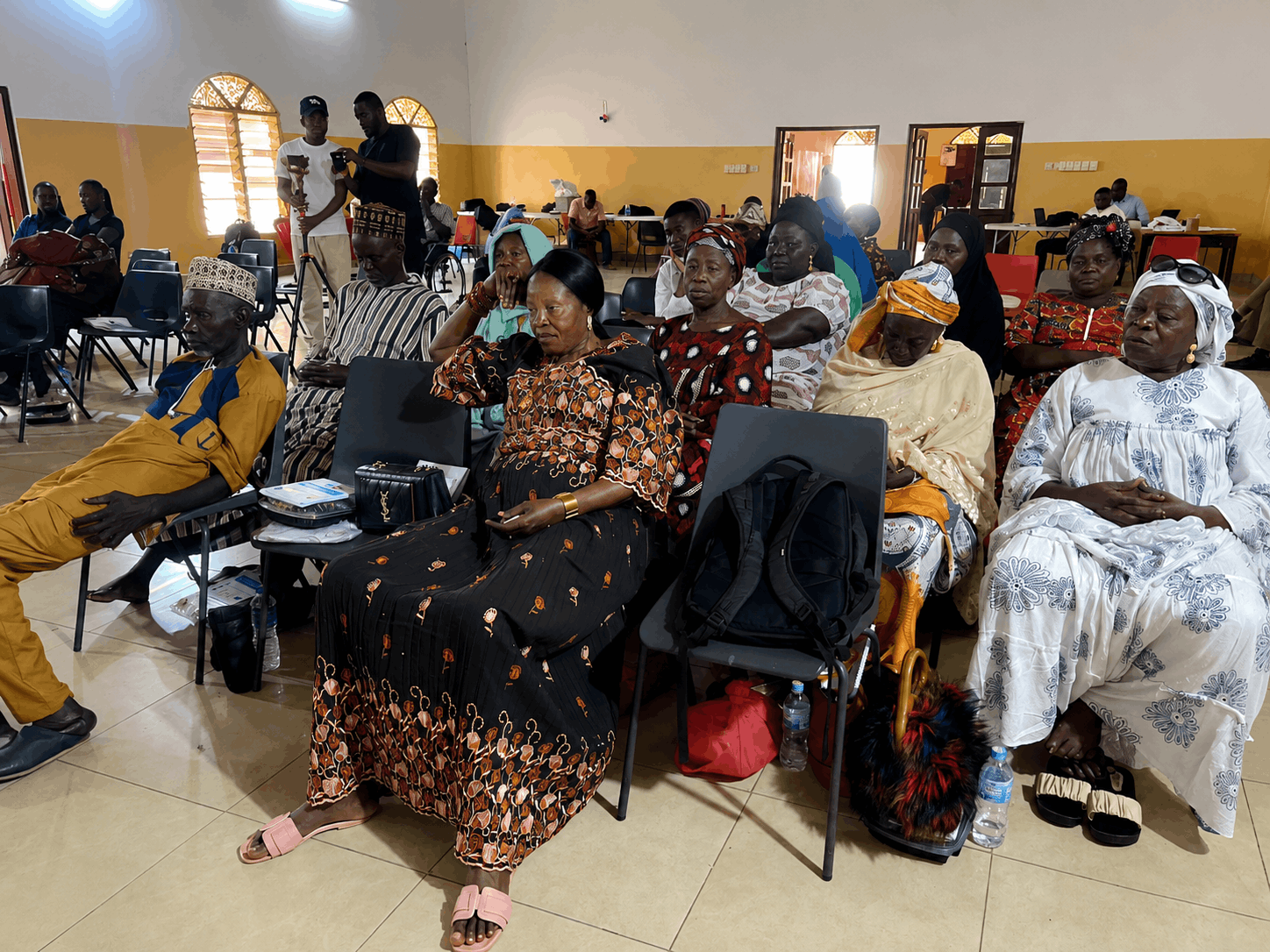
Written by: Dawda Baldeh
Residents of Banjul have raised concern over the rising number of fire outbreaks in the capital, as fire officials blame illegal electrical installations, faulty hydrants and blocked access routes for worsening emergency response.
The concerns were raised during the closing session of a community engagement programme on Security Sector Reform (SSR), supported by the United Nations Development Programme (UNDP) and the Office of the United Nations High Commissioner for Human Rights (OHCHR).
The forum, held in Banjul, focused on strengthening public awareness, participation and ownership of the ongoing reform process.
Participants used the platform to question the effectiveness of security institutions and raise broader national development concerns.
Officials described the engagement as timely, saying it gave citizens an opportunity to openly discuss reforms and governance issues.
“We have to ensure reforms within security institutions are aligned with international standards,” a training facilitator said. “We also want to strengthen civilian oversight of security institutions and promote accountability.”
The session covered human rights, anti-corruption efforts and the role citizens can play in supporting security sector reforms.
However, fire safety quickly emerged as one of the major concerns among residents.
Alhagie Ceesay, a resident of Banjul, questioned the role of the Fire and Rescue Service in the ongoing reforms.
“Whenever I attend such meetings, I rarely hear discussions about the fire service. People talk about the police and the military, but what about the fire service?” he asked.
Ceesay accused fire officers of often arriving late at fire scenes and questioned whether there were plans to improve emergency response systems.
Responding to the concerns, Sunkary Mbye, Station Officer at the Banjul Fire and Rescue Service, said the department faces serious logistical challenges.
“We only have one fire engine serving the entire city of Banjul, and it carries just 1,800 litres of water, which can finish within three minutes during operations,” Mbye explained, dismissing claims that officers deliberately arrive at incidents without water.
He also said prank emergency calls remain a major challenge, wasting fuel and delaying responses to genuine emergencies.
Officials also pointed to the poor condition of fire hydrants across the city.
“Most of the fire hydrants in Banjul are outdated and non-functional. We have conducted assessments and made several recommendations for improvement,” Mbye stated.
He further blamed the growing number of fires on unsafe electrical connections.
“Most electrical installations in Banjul are done illegally or by unqualified individuals. This significantly increases the risk of fire outbreaks,” he said.
Mbye assured residents that emergency lines are monitored around the clock, but noted that some callers lose patience when the automated system responds before operators pick up.
He urged the public to report incidents early and keep emergency contact numbers readily available.
According to officials, other factors contributing to fire incidents include the unsafe use of flammable household appliances and the encroachment of pathways, which obstructs access for emergency responders.
Beyond fire safety, participants also discussed gender inequality and public trust in law enforcement institutions.
Yafatou Mbye Samba of Banjul said many women continue to face resistance when seeking leadership positions.
“Sometimes women want to contest for positions, but men fight against them. In many cases, women lose simply because society does not support them enough,” she said. “Women can perform just as well as men if given the opportunity.”
Officials clarified that security sector reform is not aimed at removing officers from service, but at improving professionalism and restoring public trust.
“Several laws governing the security sector are currently under review to ensure they meet best practices,” one official stated. “This reform is intended to change the approach security officers take when handling public matters.”
Participants also expressed frustration over the conduct of some police officers, saying public confidence in the force remains low.
Binta Sonko, a resident of Banjul, complained about how police handle criminal cases.
“You report a thief to the police, and before you even get home, the suspect is released,” she alleged.
Saith Matty Jaw, who delivered a presentation on public trust in the police, said many women in Banjul still lack confidence in law enforcement institutions.
Jaw told participants there are several institutions where citizens can report cases of police abuse or rights violations.
“Previously, police would take action against people without proper investigation, but with the ongoing reforms, there is now greater emphasis on investigations before action is taken,” Jaw explained.
Despite the criticisms, some participants acknowledged improvements in policing.
“People are beginning to trust the police more now,” Alhagie Ceesay added. “If your phone is stolen or your shop is broken into, the first place you go is the police, and in many cases they recover stolen items.”