
 11
11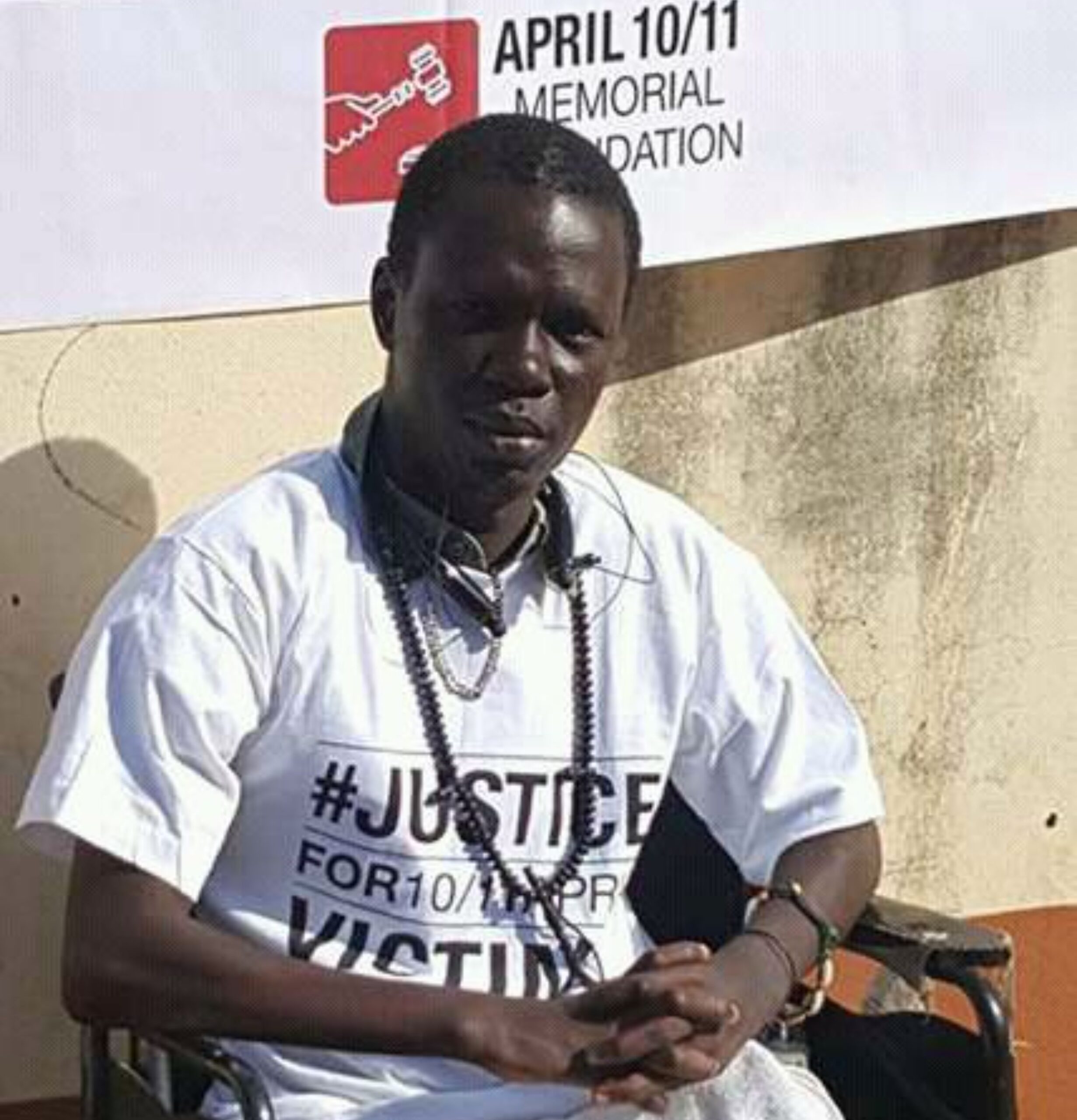
Written by: Dawda Baldeh
Twenty six years after security forces opened fire on unarmed students in one of The Gambia’s darkest moments, survivors and families of the April 10–11, 2000 killings say the government has failed them, accusing authorities of a “shameful and unacceptable delay” in delivering justice, accountability, and full reparations.
In a strongly worded statement issued this week, the victims and concerned citizens said their patience has run out, stressing that two official inquiries have already established what happened and who was responsible, yet meaningful action has still not followed.
“For 26 years, we have endured indignity after indignity, compounded by sustained physical and emotional trauma,” the statement said. “Justice delayed for over 25 years is justice denied.”
The April 2000 killings, which left at least fourteen students and a journalist dead after members of the Police Intervention Unit opened fire on protesters, remain a defining moment in the country’s history and a symbol of impunity under former President Yahya Jammeh. For many, the events marked the beginning of a broader pattern of brutality that would come to define the era.
Findings by the Lartey Commission, set up to investigate the April 2000 killings, concluded that excessive force was used, a position later reaffirmed by the Truth, Reconciliation and Reparations Commission, which recommended prosecutions, compensation, and institutional reforms. However, despite these conclusions being accepted by the government, victims say implementation has been slow and uneven, with many still either partially compensated or not paid at all.
“The truth has been established, twice. What is missing is political will,” the group said, pointing to what they describe as a continued failure to translate findings into concrete action.
The statement also raised concerns about what it described as selective justice, questioning recent disclosures that some gender based violence survivors received financial support outside the formal reparations framework while recognised April 10–11 victims continue to wait.
“Why are some victims receiving immediate financial assistance while others, long verified and recognised, continue to wait?” the statement asked. “Reparations must not be selective. They must be equitable, transparent, and grounded in law.”
The group outlined a series of demands, including the immediate completion of all outstanding reparations, full transparency on recovered assets and how they are disbursed, a clear prosecution plan for those responsible, and the establishment of a unified national reparations framework with direct involvement of victims in decision making.
They also called for the appointment of an independent overseer to monitor the second phase of asset recovery linked to the Jammeh era, arguing that oversight is critical to restoring trust in the process.
“Reparations are not an act of goodwill, they are a legal obligation,” the statement said, rejecting any suggestion that compensation is optional or discretionary.
The victims further urged the National Assembly to strengthen oversight, the Ministry of Justice to move forward with prosecutions, and international partners to increase pressure for accountability, warning that continued delays risk deepening public frustration.
As frustration deepens, the message from survivors and families is becoming harder to ignore, with the tone of the statement leaving little room for ambiguity.
“The victims and families have waited long enough. It is time for The Gambia’s leadership to right the ship of justice and set the correct precedent for our nation,” the statement added. “Justice must now be delivered.”