
 11
By Dawda Baldeh
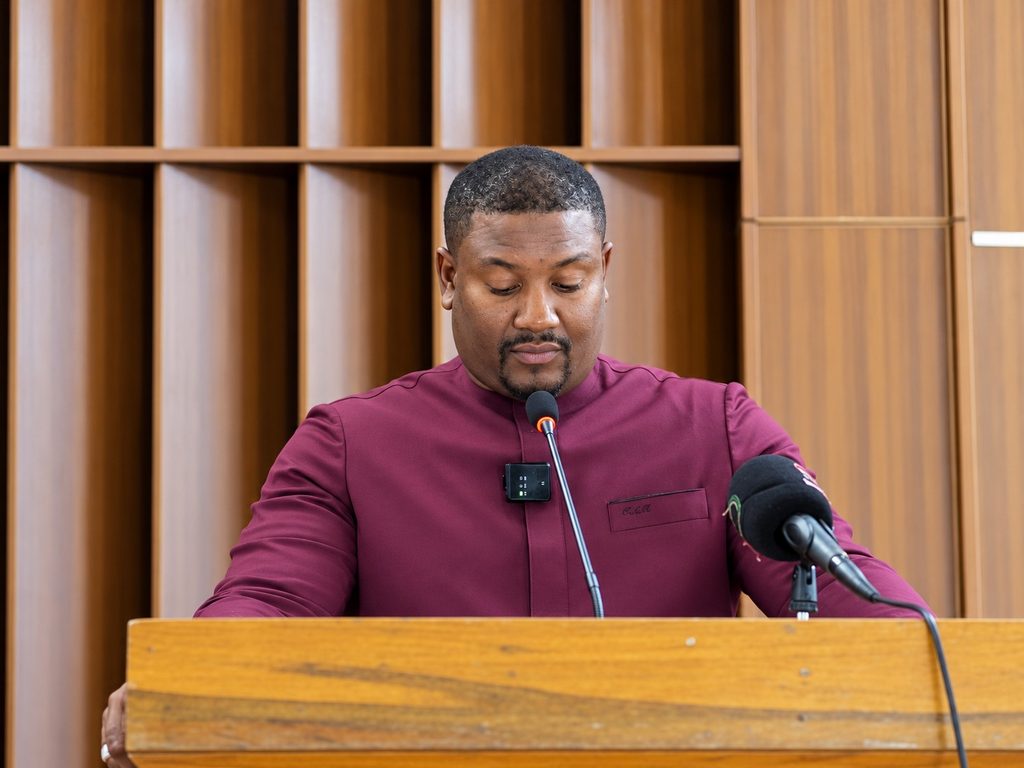
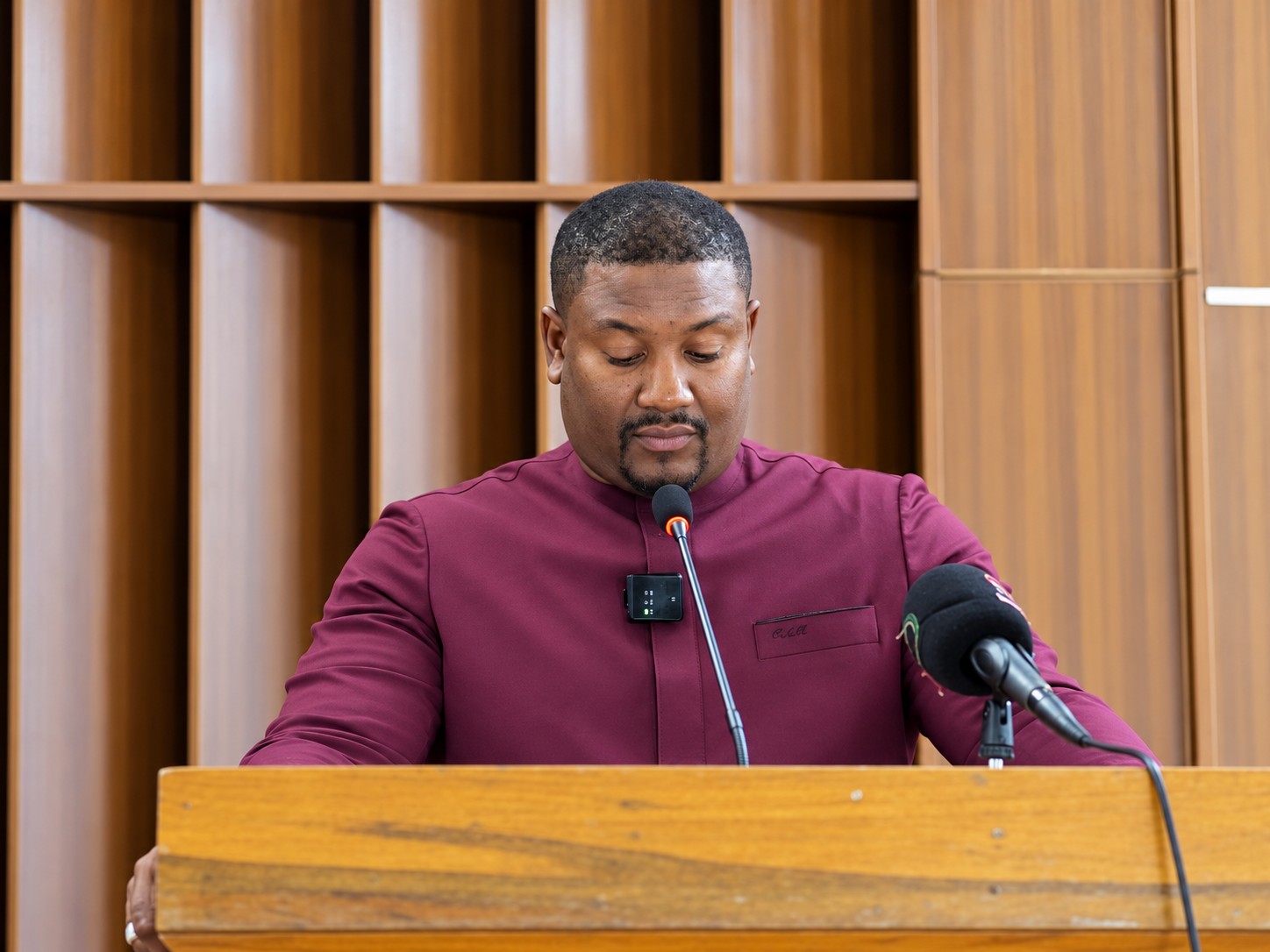
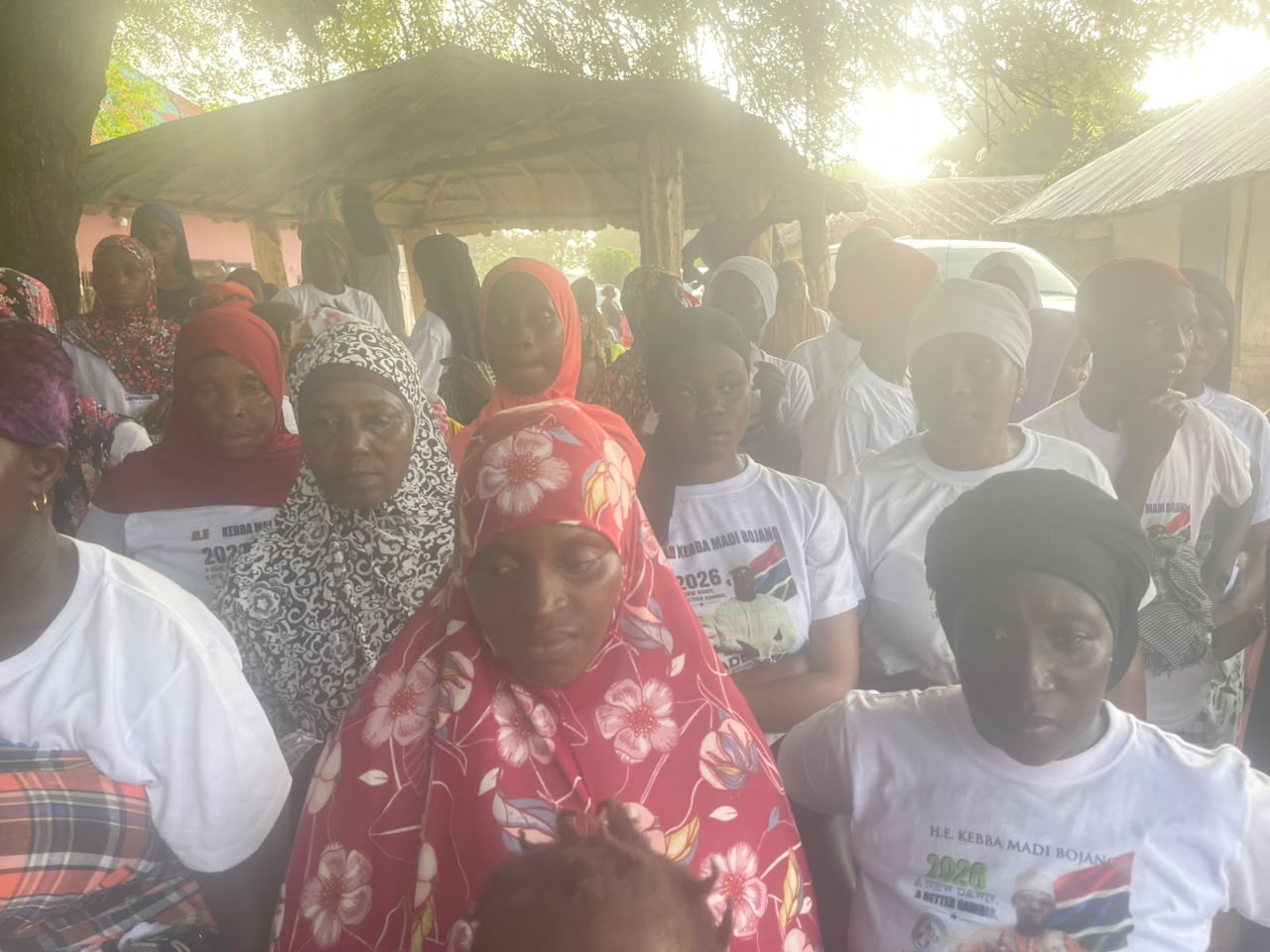
Women in The Gambia’s North Bank Region have voiced deep concerns over the state of healthcare services, describing childbirth as a frightening ordeal because of inadequate medical facilities, shortages of medicines and the absence of ambulances, as opposition leader Kebba Madi Bojang pledged to provide an ambulance for Kinteh Kunda before the December 5 election.
The concerns were raised during a meeting with the National Democratic Party (NDP) leader in Kinteh Kunda and later at a party rally in Farafenni, where women highlighted challenges ranging from maternal healthcare to child deaths and poor access to medicines.
Residents of Kinteh Kunda, situated off the Badibou Salikene road, said pregnant women often face uncertainty when labour begins because the community lacks both a hospital and emergency transport.
“Here, when you are pregnant, you think of death because we don’t have a hospital or an ambulance,” said Hawa Kinteh.
She said families frequently struggle to access urgent medical care.
“Getting to the hospital is difficult. You have to endure a lot, and sometimes people die not because they were supposed to, but because of poor healthcare conditions.”
In response, Bojang promised an ambulance for the community regardless of political support.
“It’s not politics. I am going to get you an ambulance whether you vote for me or not. Healthcare is a right, and you deserve to get it,” he said.
He pledged to deliver the ambulance before election day. The promise, however, also raises questions about how the NDP would fund and sustain wider healthcare improvements, including medicines, equipment, staffing and emergency medical services, should it win power.
At the Farafenni rally, criticism extended beyond emergency transport to the quality of care available in public health facilities. Kaddy Marong of Conteh Kunda accused the healthcare system of failing families.
“Our children are dying every day because of the poor healthcare system,” she said. “If you go to the hospital, they will not give you proper medicines. Sometimes people die not because of the sickness, but because of poor healthcare services.”
She also referenced the 2022 contaminated cough syrup tragedy, which was linked to acute kidney injuries and the deaths of more than 70 children, questioning the government’s response.
“This government doesn’t care about us. How can a serious government ignore such a tragedy?” she asked.
Other speakers complained about shortages of medicines, unreliable electricity and water supplies at health facilities, arguing that hospital construction alone would not solve the challenges facing patients.
“They are building hospitals with no medicine, and this is not what we want. We need hospitals equipped with the right equipment to help prevent preventable deaths,” one woman told the rally.
The concerns present a challenge for the government as communities continue to demand improvements in services that directly affect maternal and child health. However, President Adama Barrow’s administration has also received praise for expanding and improving healthcare services across the country despite ongoing criticism.
For the NDP, the grievances provide an opportunity to draw contrasts with the government’s record. Beyond the ambulance pledge, however, the party’s plans for healthcare financing, staffing, medicine procurement and rural emergency services are likely to face increasing scrutiny as the election campaign progresses.
Fatou Sonko, a member of the NDP delegation, said the accounts shared by women deserved serious attention.
“Being a mother is not easy, and seeing your children dying is heartbreaking,” she said. “You deserve better, and Kebba Madi Bojang is here to address this if you vote for him.”
With the election approaching, many residents say they are looking beyond promises and want healthcare facilities equipped with medicines, trained staff and emergency services capable of saving lives when they are needed most.