
 11

Why strategic communication deserves a seat at the decision-making table
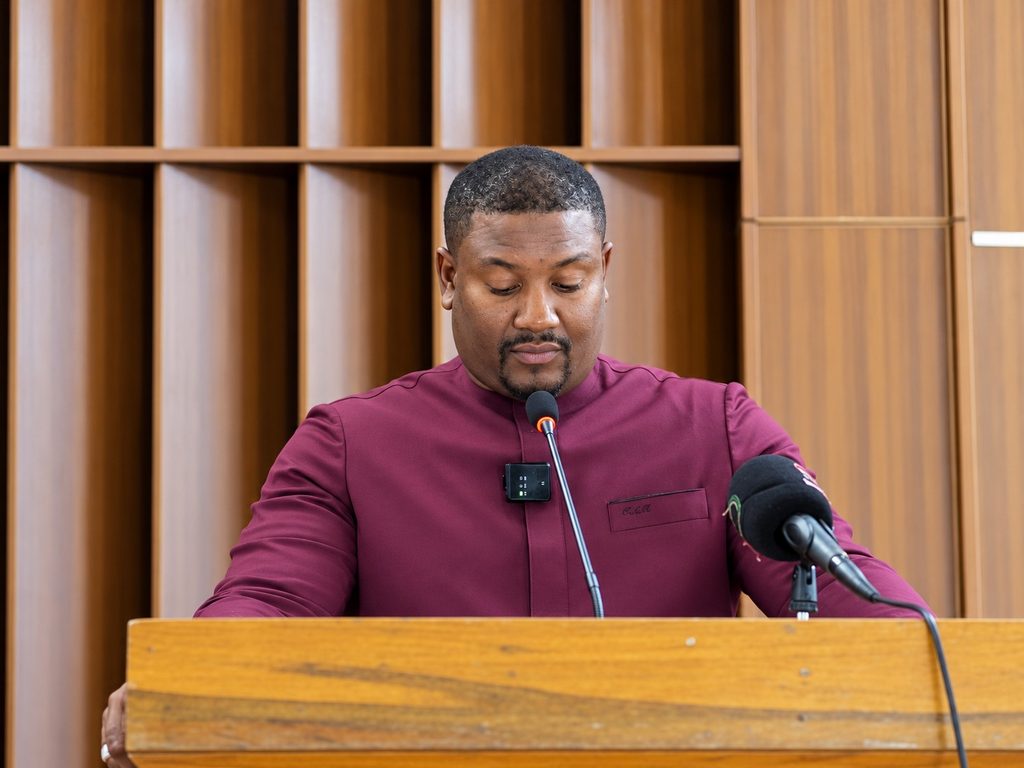
By ML Drammeh
Football administration is often discussed in terms of governance, financial management, technical development and infrastructure. These are essential to the growth of the game, yet another function deserves greater attention in the conversation about professionalising Gambian football: strategic communication.
Communication shapes how football institutions make decisions, manage relationships, build public trust and present themselves to the world. Its contribution, however, is often reduced to match graphics, fixture announcements and social media updates. That is only a fraction of what effective communication should accomplish.
Digital platforms have created new opportunities for football clubs to connect with supporters and tell their own stories. In The Gambia, many First Division clubs have made encouraging progress, with media officers regularly sharing match photographs, team news and other updates. Their efforts deserve recognition, especially given the financial and logistical constraints many clubs face. That progress, however, represents only the starting point.
Building on it requires strengthening the capacity of those responsible for communicating the game. Maintaining a social media presence is important, but effective football communication also involves media relations, stakeholder engagement, communication planning, crisis management, sponsorship support and institutional reputation management. A better understanding of these responsibilities would allow media officers to contribute more meaningfully to the ambitions of their clubs.
Practical training, mentorship and professional exchanges could equip club media officers with the skills to plan communication activities, engage journalists, tell compelling stories and manage sensitive information. Such initiatives would build on the work already being done while helping media officers develop a broader understanding of their professional responsibilities. Skills alone, however, cannot deliver the full benefits of strategic communication.
Essentially, club leadership must also recognise its value as part of administration, rather than treating it as a service required only when an announcement needs to be published. Decisions involving player transfers, coaching appointments, sponsorship agreements and disciplinary matters can affect fans, players, partners and the wider public. So, in this instances, communication professionals can help leadership anticipate stakeholder concerns, prepare appropriate messages and explain decisions clearly. Their role is not to assume the responsibilities of club presidents, secretaries general or technical teams. Rather, they should provide professional advice that complements administrative and sporting decisions. When communication personnel are consulted at the appropriate stage, they can help institutions communicate with greater consistency and purpose. Communication should not replace football administration. It should make football administration more effective.
This argument is not simply a matter of opinion. Research in public relations and strategic management has long shown that communication creates greater value when it is integrated into decision-making rather than treated as a publicity function. In their 2000 study on public relations and strategic management, James E. Grunig and Larissa A. Grunig examined how integrating public relations into organisational decision-making contributes to institutional effectiveness. Their work supports the principle that communication professionals should help organisations manage relationships with important stakeholders, not simply announce decisions after they have been made. Although their research was not specific to football, the principle applies directly to sports administration.
Professionalising communication does not require every club to establish a large communications department. Gambian football operates within financial and staffing constraints, and many clubs depend on individuals who manage several responsibilities or volunteer their time. Clear roles, reliable access to information and better coordination between media officers and club leadership can make a meaningful difference, even where resources are limited.
Commercial development also depends on how clubs communicate. Clubs seeking sponsorships must do more than offer visibility. They need to demonstrate their value, communicate what partnerships deliver and maintain relationships beyond individual matches or competitions. A clear institutional identity, credible information and consistent engagement can help clubs strengthen their appeal to potential partners. Storytelling offers another opportunity. Gambian football has much to offer beyond match results, including youth development, women’s football, club histories, community involvement and the journeys of players and supporters. With appropriate planning and professional skills, media officers can bring these stories to wider audiences and strengthen the connection between clubs and their communities.
Cooperation across the game will determine how quickly this progress is realised. The Gambia Football Federation has a role to play here, particularly in coordinating training and setting basic standards for club communication. Clubs and other relevant stakeholders could collaborate on practical capacity-building programmes covering media relations, content planning, stakeholder engagement and crisis communication. Such initiatives should reflect the realities of local football, with an emphasis on accessible training and skills that personnel can apply directly in their work.
My Master’s studies in Communication, combined with six years in football communication and administration, have shaped how I see the role strategic communication can play in strengthening football institutions. That experience has reinforced my view that communication belongs at the heart of how clubs are managed, not as an afterthought once decisions are made.
Commendably, many Gambian clubs have already established a valuable foundation through their growing media presence and the work of their media officers. The next step is to strengthen that foundation through professional development and a broader recognition of communication’s contribution to administration. The objective is not simply to elevate the status of communications personnel, but to help clubs build stronger relationships, improve stakeholder engagement and support their long-term ambitions.
Ultimately, the value of football communication should be measured by more than how frequently a club publishes or how many people see its content. It should also be reflected in how effectively communication supports institutional objectives, maintains trust and strengthens relationships. The next step in professionalising Gambian football is not simply to communicate more, but to communicate more strategically. That is why communication deserves a seat at the decision-making table.
The author:
Muhammed Lamin Drammeh (ML Drammeh) is a communication professional, Secretary General of the Sports Journalists Association of The Gambia and Fortune Football Club. He holds a Master’s degree from the Communication University of China.