
 11
11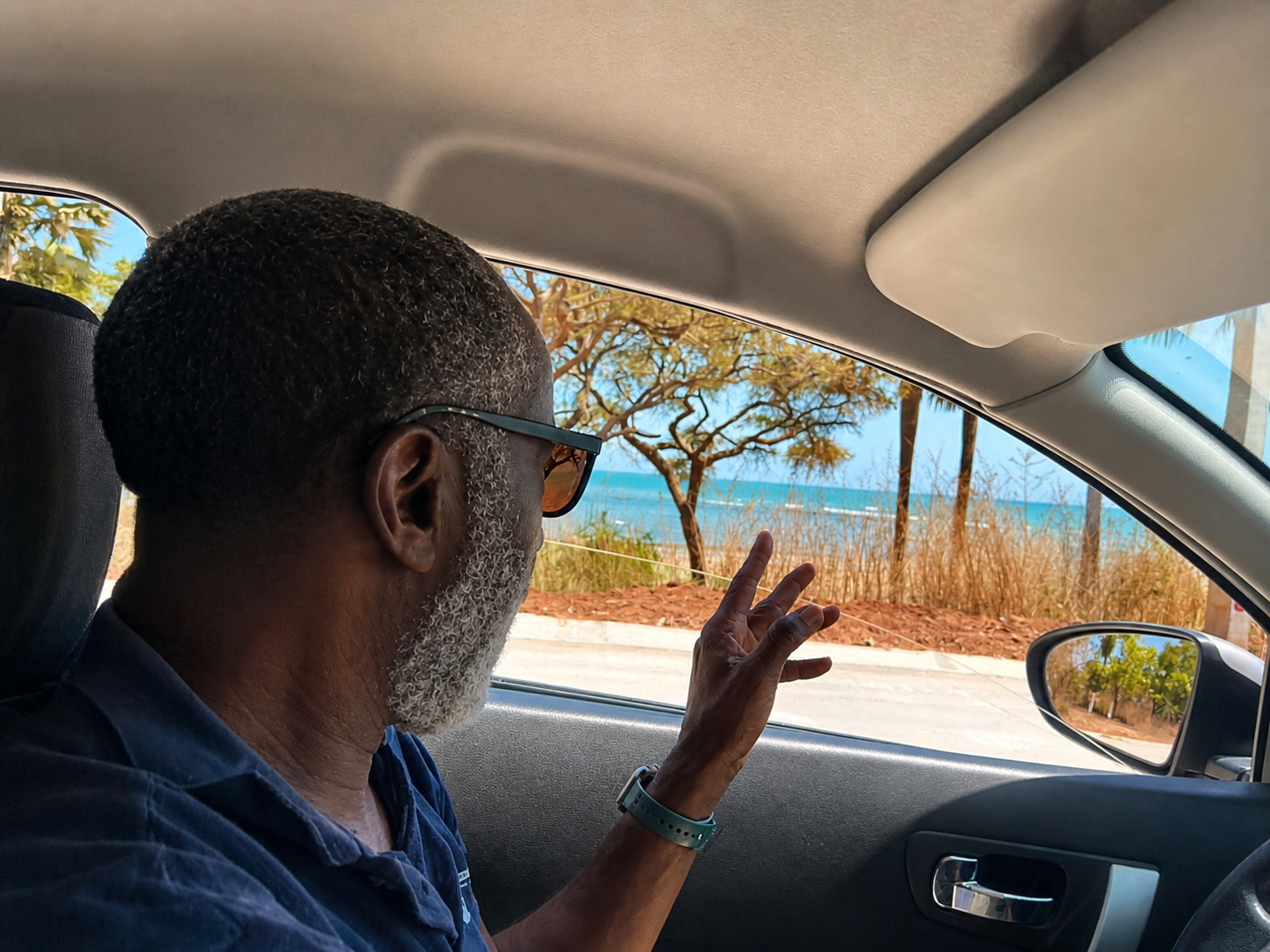
Written by: Dawda Baldeh
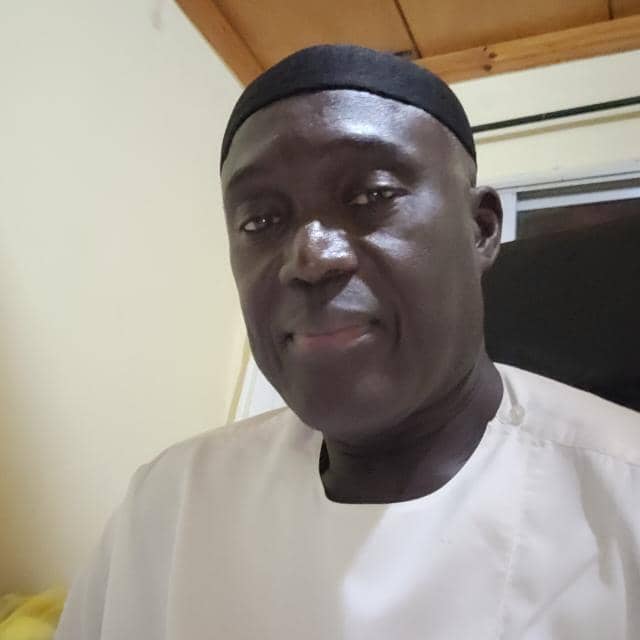
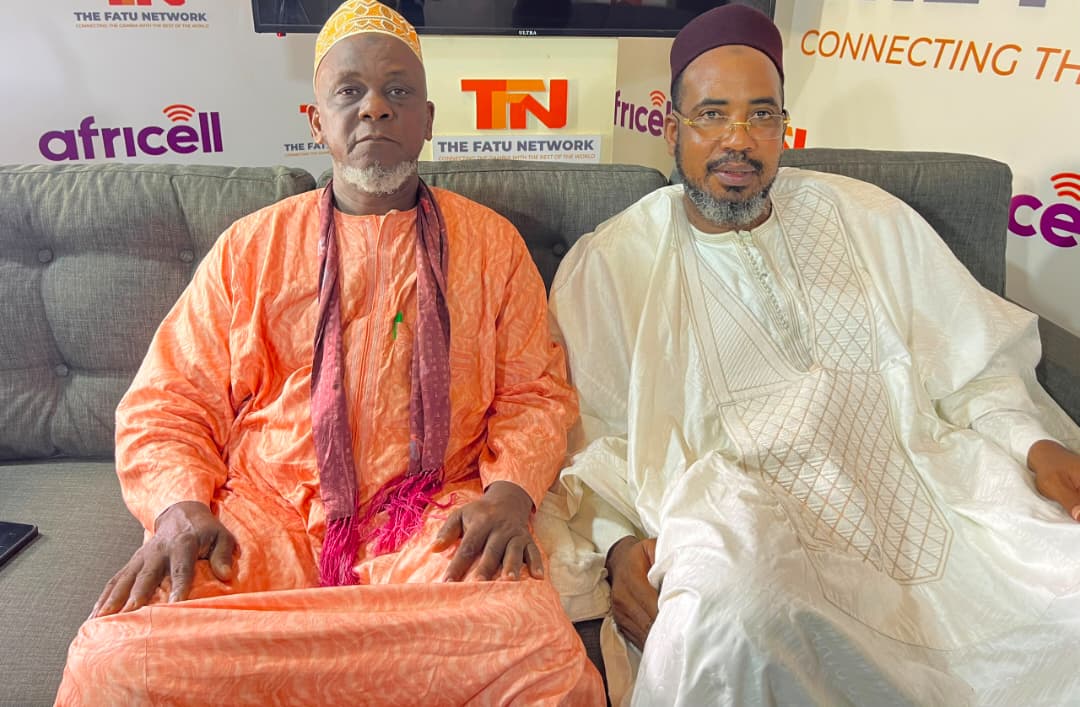
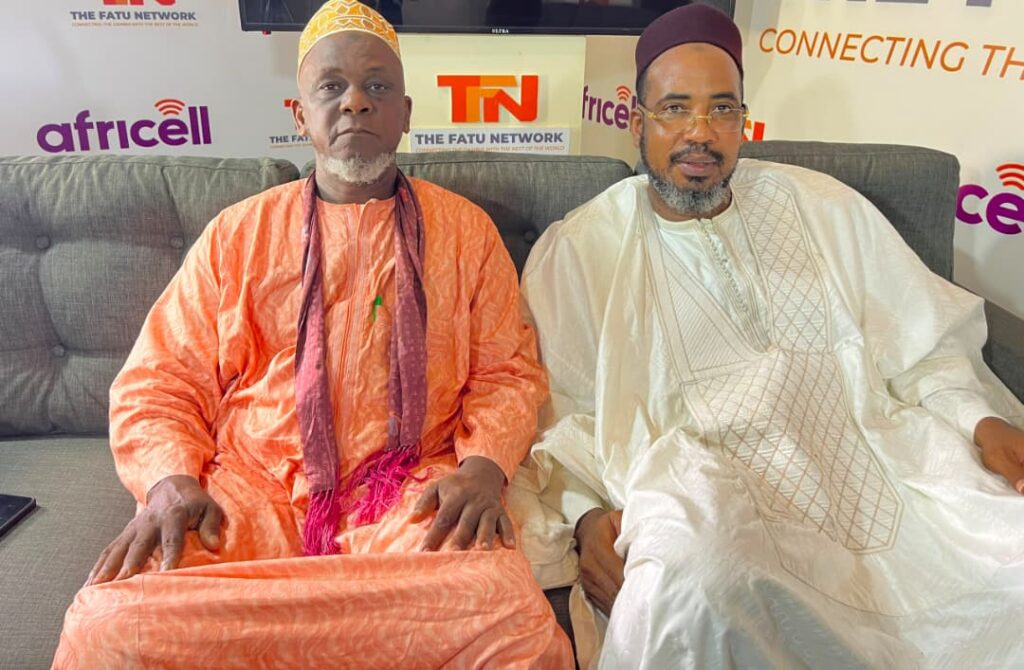
In an interview with The Fatu Network, Momodou Semega Janneh, a prominent environmentalist, Sanyang resident, and son of the legendary B.S.A. Janneh, has sharply criticised the Gambian government over what he describes as a “poisonous” and “secretive” port concession agreement that threatens both the environment and the livelihoods of Kombo South residents.
The controversy centres on a deep-sea offloading operation in which large ships, unable to navigate the country’s shallow waters, transfer cement into smaller vessels offshore. Janneh warned that the process is causing serious environmental harm.
“The cement that’s filling into the sea is actually poisonous. It’s extremely poisonous,” Janneh said. “Even if you were to just have your hands in it… you’ll see that it’s eating away at their fingers. In the open sea, with boats moving in different directions, tonnes of it is being spilt.”
Janneh’s concerns go beyond environmental damage and extend to broader questions of governance and transparency.
He questioned why a major port concession agreement, allegedly involving Turkish interests, has not been made available to the National Assembly.
“Who is the ports director, and who is the minister of works, that they can sign something on behalf of The Gambia that parliament cannot have a look at?
Parliamentarians have asked for a copy of it, and they still have turned around and said no. It’s a trade secret.”
Janneh also alleged that the deal is financially unbalanced, claiming the Gambian government has retained costly liabilities such as staff pensions, while foreign investors “hang on to all the money-making parts.”
For residents of Sanyang, he said, the threat is immediate and physical. He accused government officials of “criminal trespass”, alleging they have entered private lands without permission to prepare for the port expansion.
“Government officials are entering people’s lands, digging holes, which is criminal trespass,” he said.
He rejected claims of “land grabbing” by private landowners, arguing that many acquired their properties legally, including himself, through government-approved transactions.
“It is not land grabbing. Their father needed money to deal with something, and he sold the land… They parted with hard-earned money.”
Referring to mining operations at Denton Bridge and the alleged extraction of ilmenite, a valuable mineral, Janneh questioned how the revenues are being used.
“How many hospitals would that money have been able to build? How many schools?” he asked.
As coastal erosion continues, with the sea reportedly reclaiming land at a rate of 25 metres per year, and with infrastructure such as Denton Bridge showing signs of strain, Janneh directed a clear message to the Barrow administration, transparency is not optional.
“I will not take something when others are allowed to suffer,” Janneh said. “And I will not take something that is not crystal clear.”
The Port of Banjul has faced persistent congestion in recent years, prompting the government to pursue private sector partnerships for expansion, including a proposed secondary port in the Sanyang area.