
 11
By: Dawda Baldeh
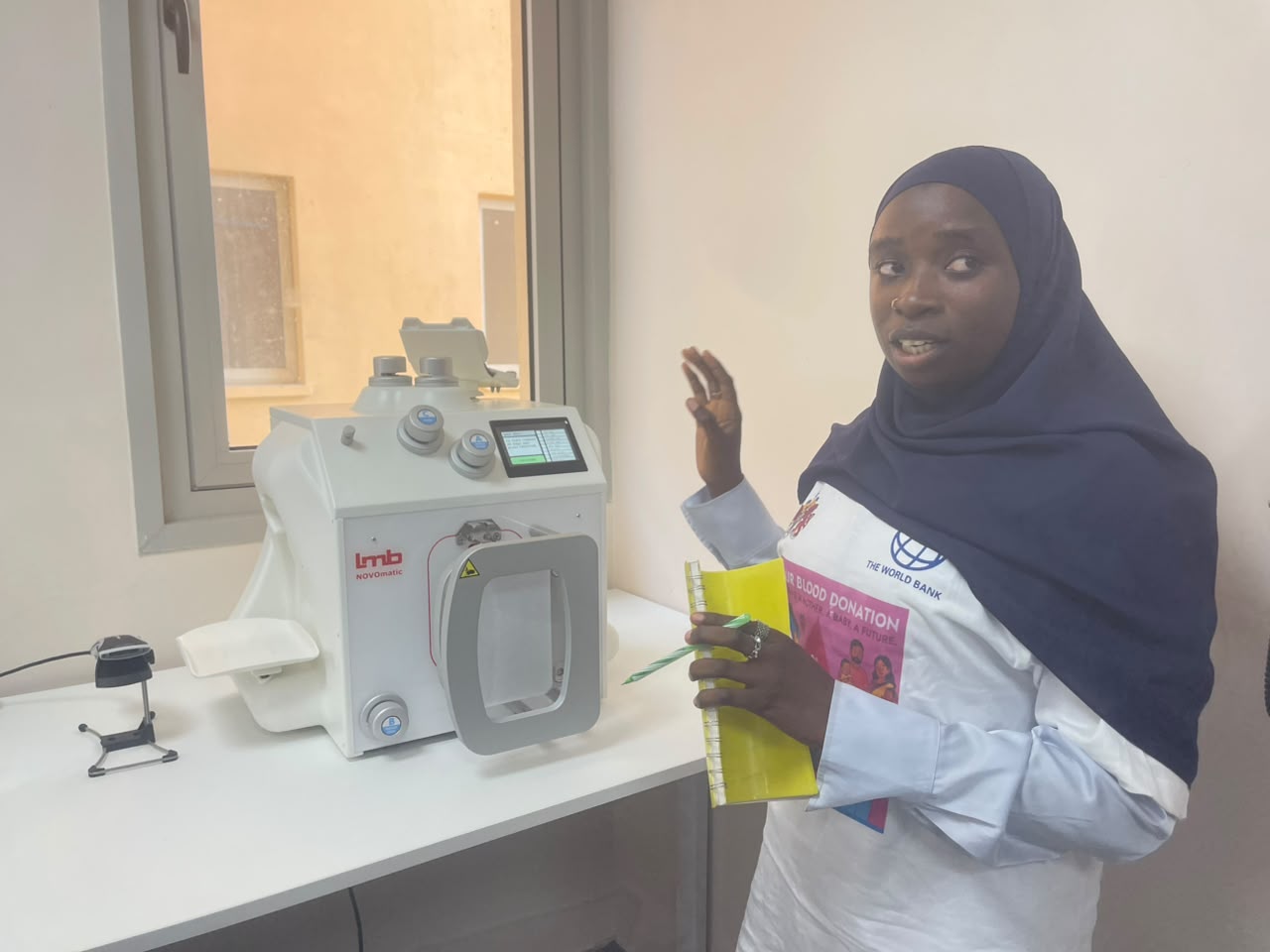
The National Blood Transfusion Center (NBTC) has commended Join Hands 2 Save a Baby for spearheading a blood donation drive at the center in Farato, warning that blood shortages continue to cost lives and urging Gambians to embrace voluntary blood donation.
Regional Health Director for Western 2, Yero Bah, said children, mothers and accident victims have died because of inadequate blood supplies, despite the availability of qualified medical personnel.
“In recent years, we have lost children, mothers and accident victims, not because we don’t have quality doctors, but because we don’t have blood,” he said.
“Blood is not manufactured, and it is not sold in the market. One unit you donate today can save three lives: a mother, a child and a trauma victim.”
Bah said voluntary blood donation could significantly reduce shortages, adding that if just one per cent of the population in the West Coast Region donated blood, hospitals would be better equipped to meet patients’ needs.
“I am not asking you to donate blood, but to be a hero that the hospital can always call on,” he told donors, while expressing gratitude to those who responded to the initiative.
Saikou BM Njie, representative of the Alkalo, described the blood donation drive as timely, stressing that blood remains essential to human survival.
“We don’t want to get to a point where we will lose lives due to a lack of blood,” he said, identifying pregnant women and babies as among the most vulnerable patients.
Modou Lamin Baldeh, representing the Village Development Committee, also commended Join Hands 2 Save a Baby and called for greater community ownership of healthcare facilities. “Donating blood is a noble cause. It’s a rewarding sacrifice,” he said.
Meanwhile, Mariama Jammeh, Programme Manager at the National Blood Transfusion Center, said the initiative supports the center’s mission of ensuring safe and timely access to blood for patients in need.
She explained that all donated blood is properly screened to ensure safety, while urging Gambians to move away from dependence on family replacement donors towards a sustainable system of voluntary blood donation.
“Every pint of blood is properly screened to ensure the blood donated is free from any disease,” she said.
Madam Jammeh noted that maternal health cases account for a significant share of blood use in The Gambia, while road traffic accidents further underline the need for readily available supplies.
“This center cannot function without the support of Gambians because we don’t manufacture blood. We need people to donate blood so it can be stored,” she said.
Abdoulie Jarjue, representative of Join Hands 2 Save a Baby, reaffirmed the organisation’s commitment to supporting vulnerable people and strengthening healthcare services across the country.
He said the organisation launched its blood donation project five years ago and has since made significant contributions to healthcare facilities, including hospital renovations and medical equipment donations.
“We have renovated several hospitals and donated medical equipment to hospitals across the country. We are here for women in maternity units,” Mr Jarjue said.
“We have been doing this, and we will continue to do this to help patients.”
He urged eligible Gambians to donate blood voluntarily, describing it as a simple but life-saving act.
“Donating blood is very important. We can all do it,” he said, adding that proper sensitisation is needed to address misconceptions and help people understand the process and its benefits.
Jarjue said blood donation also allows donors to learn their blood groups and receive information about their health status through the screening process.
The initiative, spearheaded by Join Hands 2 Save a Baby, highlights the importance of community participation in addressing blood shortages and ensuring that patients, particularly pregnant women, children and accident victims, have access to potentially life-saving transfusions when they need them most.