
 11
11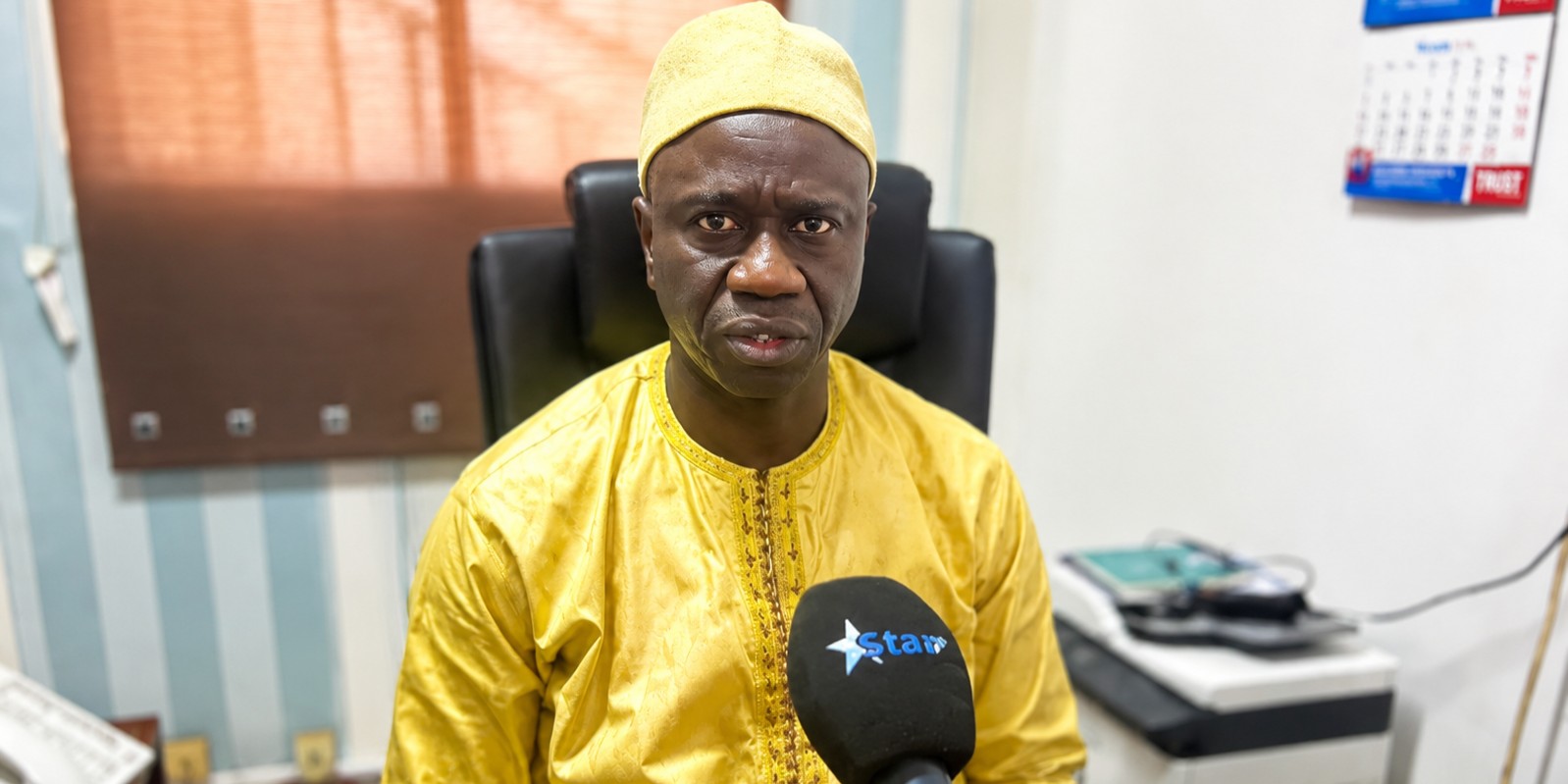
Written by: Dawda Baldeh
The National Food Security, Processing and Marketing Corporation (NFSPMC) has paid more than D400,000 owed to groundnut farmers in Kiang, Lower River Region, following months of delayed payments that left some farmers struggling with debt and disrupted their livelihoods.
The payments were made on Friday, August 14, as NFSPMC officials warned farmers against handing over their groundnuts on credit during the coming season and accused some secco heads of mismanaging money provided to pay farmers.
Speaking to the affected farmers at the NFSPMC headquarters, Deputy Managing Director Lamin L. Sanyang rejected claims that groundnuts were collected on credit because funds were unavailable.
“Today, we are settling your debts, but moving forward, no farmer should give his or her groundnuts to any secco on credit,” Sanyang said. “Take your groundnuts and get paid. Don’t let the secco heads make you believe there is no money.”
According to Sanyang, NFSPMC provides funds to secco heads to facilitate payments to farmers, but some allegedly misuse the money before telling farmers that they are still waiting for funds.
“What we discovered is that some secco heads will eat that money and tell farmers that they are waiting to receive money,” he said.
Sanyang said the situation had left the government paying for groundnuts that were allegedly never delivered to NFSPMC, describing the practice as unsustainable.
“It’s like we are paying for nothing. Next time, don’t give your groundnuts to secco heads. This has caused a lot of problems for us,” he said.
He assured farmers that sufficient funds would be available for the coming groundnut season and warned secco presidents against telling farmers otherwise.
“Any secco president who tells you that there is no money is lying to you,” Sanyang said. “We have enough money for the farmers this year.”
He said the delayed payments were being addressed through a process involving local authorities, chiefs, police and other stakeholders, while warning that NFSPMC would cut ties with and pursue legal action against secco presidents found responsible for wrongdoing.
“We will not trade with any secco president who is found wanting. We will take legal action against those found wanting,” he said.
However, some of the farmers said the months long delay had already caused serious financial hardship.
Alieu Touray of Madina Kaiaf said he was relieved to finally receive his money after months of uncertainty.
“I am happy that I finally received my money after months of back and forth,” he said.
Touray disputed suggestions that farmers had willingly sold their produce on credit, saying they were told there was no money only after their groundnuts had already been weighed and transported.
“We were told that there was no money, and this happened when our groundnuts were weighed and transported. So, we didn’t have any option,” he said.
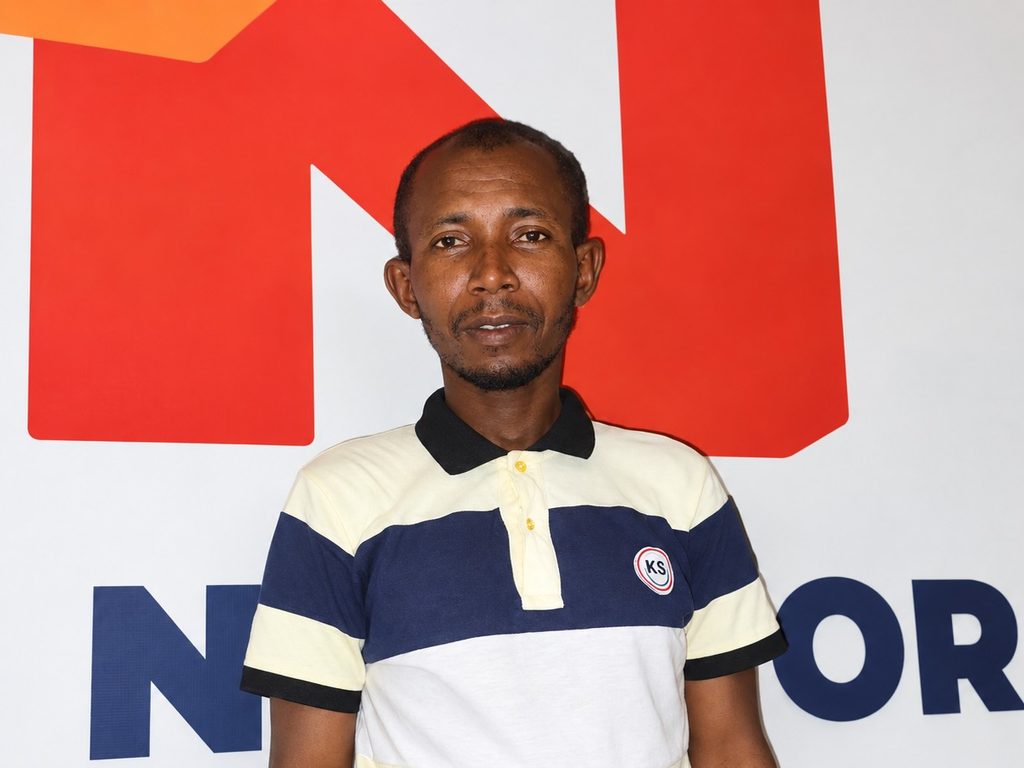
For Karamo Ceesay of Kiang Keneba, the delayed payment derailed plans to invest his earnings in ram rearing and eventually forced him to borrow money.
“I nearly cried the day I was told I couldn’t get the money after my groundnuts were weighed and transported. I was heartbroken,” Ceesay said.
Despite finally receiving his payment, Ceesay said much of the money would now go towards settling debts accumulated during the wait.
“I am supposed to be happy, but today, I’m not. The money I received I will use to repay my loans,” he said.
Ceesay said the experience had also affected his farming activities and shaken his confidence in groundnut production. He now plans to focus more on cattle rearing, saying the ordeal has left him with little hope of continuing as before.