
 11
11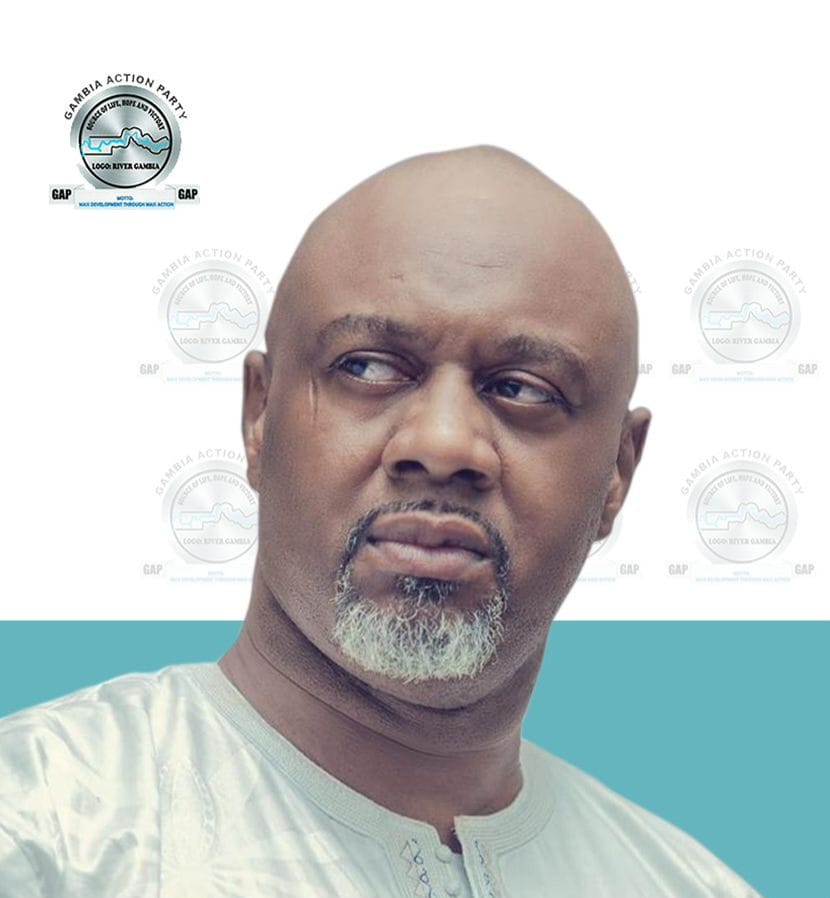
The opposition Gambia Action Party (GAP) has criticised President Adama Barrow’s nationwide Meet the People’s Tour, accusing the government of using the taxpayer-funded exercise as a platform for political rhetoric instead of engaging with citizens’ concerns.
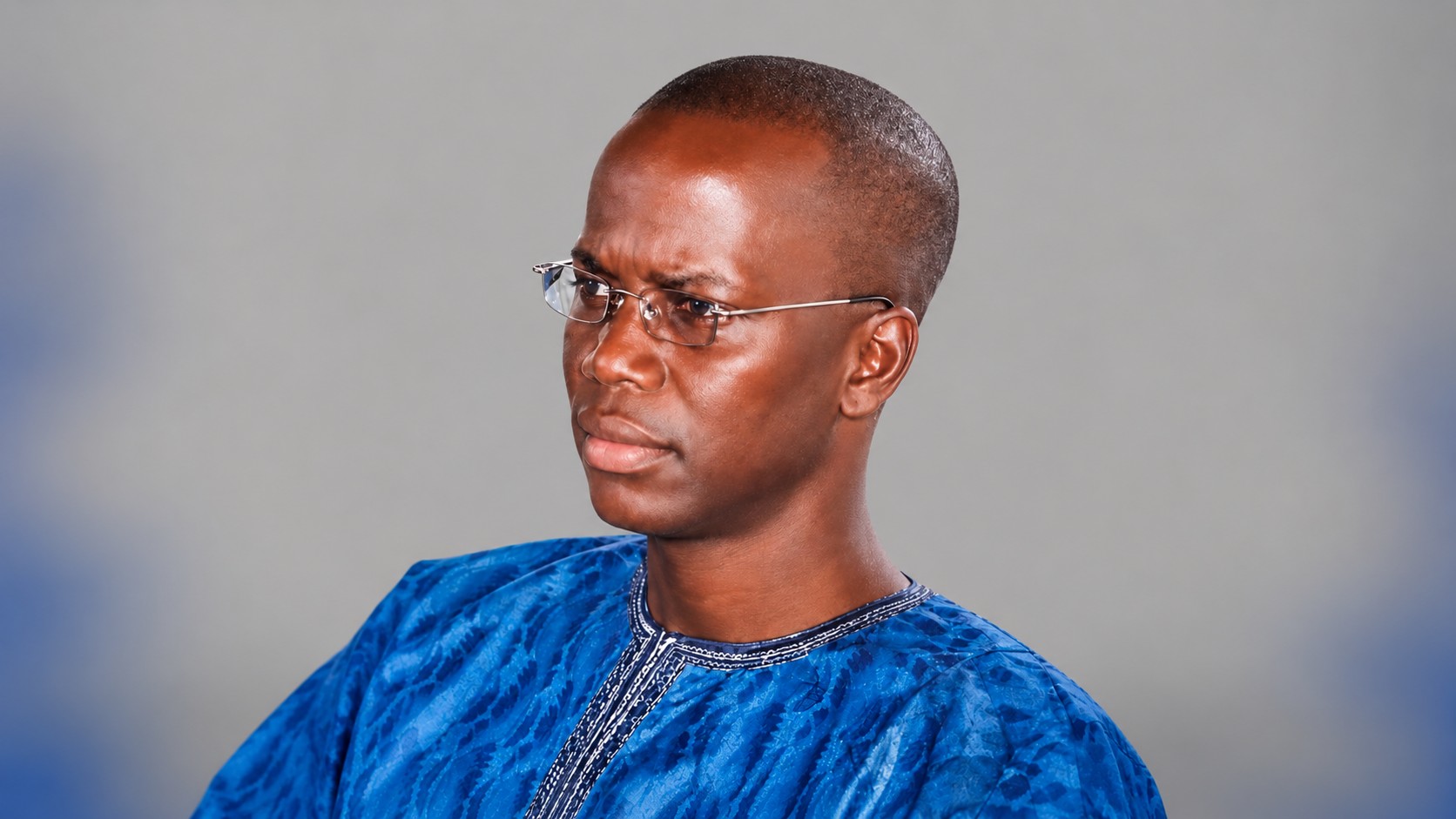
The criticism was made by GAP Secretary General and Party Leader Musa Ousainou Yali Batchilly, who said the constitutionally mandated tour should focus on listening to Gambians rather than attacking political opponents or communities.
“The money allocated for the Meet the People’s Tour is public money. It is meant to bring government closer to the people, not to provide a platform for insulting citizens, attacking political opponents or making divisive remarks about communities,” Batchilly said.
President Barrow’s 19-day tour, which began on 1 October, includes 21 public meetings, 24 project-site visits and seven inauguration and handover ceremonies across the country. The exercise is intended to allow the President to interact with citizens and assess their living conditions.
However, Batchilly questioned whether the substantial public expenditure was translating into meaningful engagement, particularly at a time when many Gambians face challenges linked to the cost of living, unemployment, healthcare, education and electricity.
His remarks come less than three months before the 5 December presidential election, amid heightened political activity across the country.
According to previous reporting by The Standard, the 2026 budget proposed D52.5 million for the Meet the People Tour, following an allocation of D45 million for the exercise the previous year.
“Gambians deserve a tour that listens to their concerns and delivers solutions. No ethnic group or community should be targeted for political purposes,” Batchilly said.
He urged the government to ensure the nationwide tour promotes national unity and accountability.
“The Gambia belongs to all of us. Public resources must serve the people, not partisan interests,” he added.
GAP said it would continue to demand accountability over public spending and called for leadership centred on listening, unity and development.