
 11
11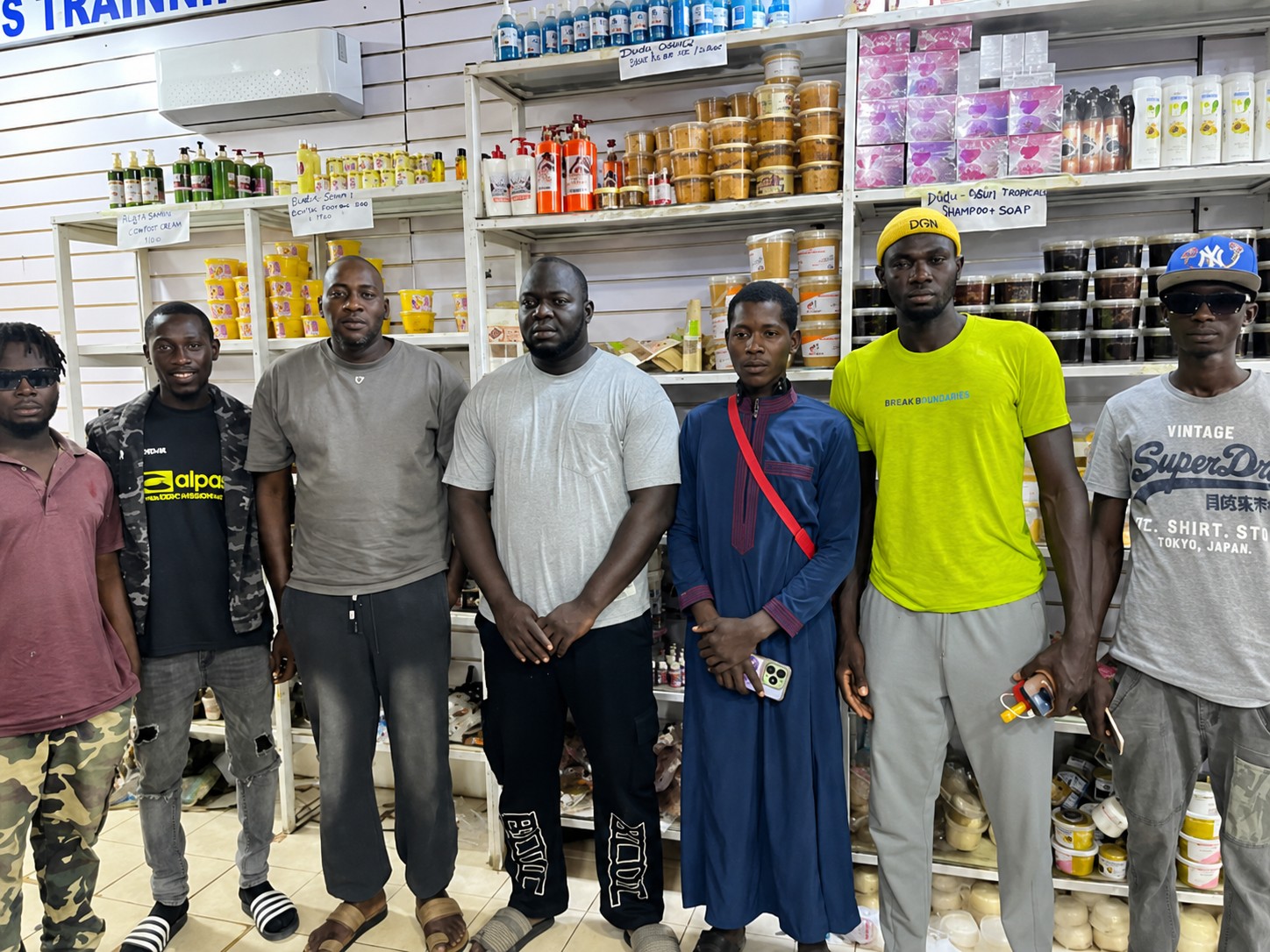
Written by Alieu Jallow
Businessman Modou Njie has launched an initiative to provide tricycles to Gambians who have returned after failed migration attempts, aiming to create sustainable livelihoods and discourage dangerous “back-way” journeys to Europe.
Njie has invested more than D1 million in an initial batch of seven tricycles and says he hopes to empower more than 200 returnees within the next six months.
One beneficiary, Modou Lamin Jammeh, who returned from Tunisia in 2023, described the support as a turning point in his life.
“Coming back home was not easy. I had no stable source of income and life became very difficult. I wanted to start afresh, but opportunities were hard to come by until I came across Njie Charak’s programme. He trusted me and empowered me without even knowing where I came from or where I live. I will do my best to make good use of this opportunity, and I thank him for the trust and confidence he has shown in me,” he said.
Another returnee, Alassana Darboe, whose boat was intercepted near Kartong, urged young people to abandon risky migration routes.
“I have seen people start with tricycles and transform their lives. Many young people do not realise that life in Europe is not as easy as they imagine. I am determined to stay home, work hard and earn an honest living.
“I also want my fellow youths to change their mindset. The dream of Europe should never be worth risking your life on such a dangerous journey. I sincerely thank Njie for giving me another chance in life,” he added.
Njie, popularly known as Njie Charak, said the initiative builds on four years of supporting women through entrepreneurship programmes and is being funded without government assistance.
“Many young people are leaving because they believe there are no opportunities in this country. We want to prove that, with the right support and determination, they can build successful lives at home. I am not receiving any government support. I have even used my land as collateral to secure bank loans so I can continue helping these young people and women,” he said.
He said the programme is about more than providing transport opportunities.
“This is about restoring dignity, confidence and hope to young people who are trying to rebuild their lives. Many of them have learned valuable lessons from their experiences abroad. Within the next six months, I hope to empower more than 200 returnees. I also want to support those interested in farming, horticulture, driving and other income-generating ventures if I receive support from the government and development partners.”
Migration experts say successful reintegration is key to preventing repeat migration attempts, and Njie’s initiative is increasingly being cited as a practical private-sector response to youth unemployment and the drivers of irregular migration.