
 11

Written by: Seringe S.T. Touray
Nearly three months after a Banjul court acquitted Austrian Bitcoin Tower developers Manuel Di Stofleth Mitterer and Angelika Mitterer and ordered the return of property and security connected to their criminal case, title deeds lodged by two Gambian sureties and valued at a combined €5.6 million have still not been returned.
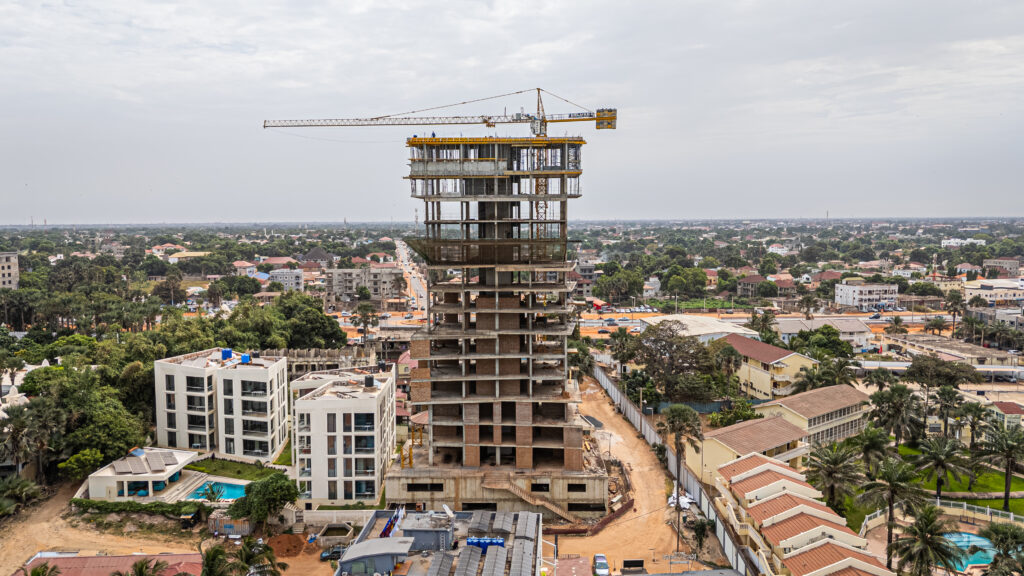


The criminal case ended on June 10th when Principal Magistrate Muhammed Krubally discharged and acquitted the Austrian couple after prosecutors failed to establish a case against them. The court ordered the return of their passports, laptop, cryptocurrency devices, bags, security bonds and other property held in connection with the proceedings.
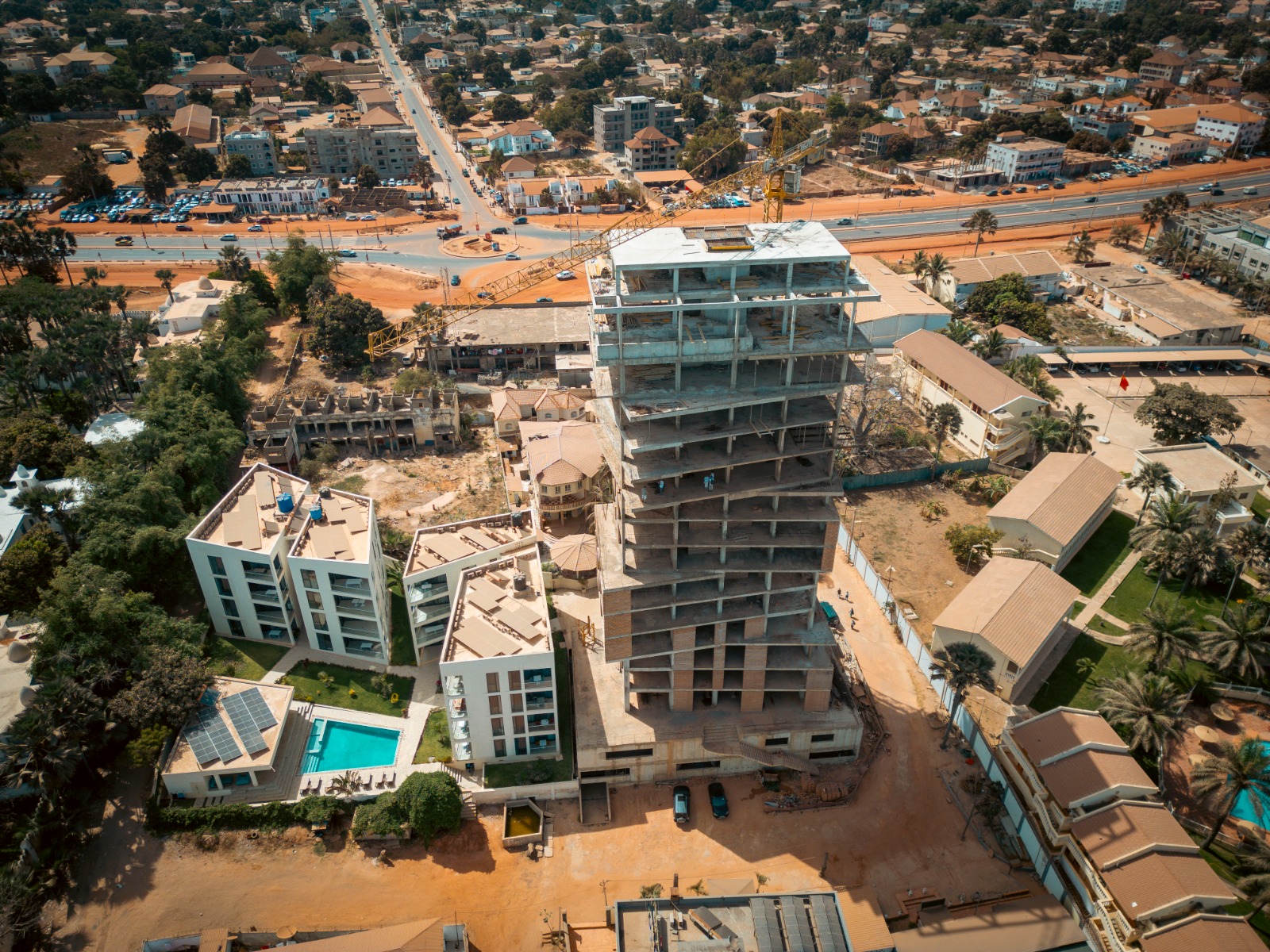
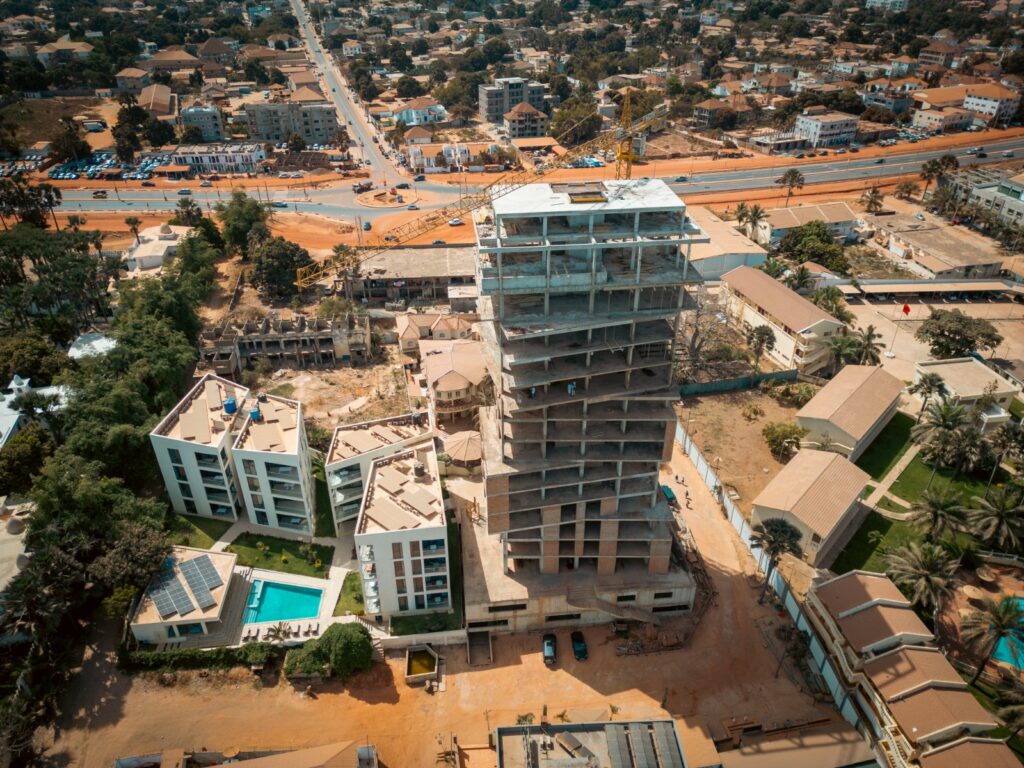
The case arose from a wider police investigation into the bitter dispute surrounding Bitcoin Tower and The Edge, two real estate developments in Bijilo. Manuel and Angelika are shareholders in Kasumai Real Estate Ltd alongside Gambian businessman Ebrima Solomon Tamba and Dutch shareholder Marcel van Andel.
Police had accused the Austrians of disobeying a lawful court order by failing to provide investigators with access to a laptop and cryptocurrency-related information. But in court, prosecution witnesses themselves confirmed under cross-examination that the laptop had been opened, passwords had been provided and cryptocurrency-related devices had been handed over.
The police’s handling of the wider dispute has also remained an important part of The Fatu Network’s investigation.
Manuel and Angelika had themselves provided police with documents alleging serious financial irregularities involving their business partners. Among those documents was an independent audit commissioned by the couple, which The Fatu Network reviewed. The audit questioned project expenditures for which supporting documentation was unavailable and examined a reported D18 million payment linked to the Gambia Tourism Board, finding receipts supporting only D5 million of that amount and no evidence supporting the remaining D13 million.
Tamba has denied wrongdoing and disputed allegations made against him.
However, the difference in the police response remains a legitimate matter of public interest. The police investigation against the Austrians began following a complaint by Tamba alleging that Manuel and Angelika had improperly taken company funds and other assets connected to the developments.
But after the criminal case collapsed, The Fatu Network reported that multiple witnesses said Tamba had given a different explanation for why he went to the police. According to those witnesses, Tamba allegedly told Manuel: “I reported you to the police because you sold my shares.”
Those shares had been pledged by Tamba as security for a €165,000 private loan from Manuel. After Tamba failed to repay the loan under the signed agreement, Manuel exercised his contractual right to take ownership of the pledged shares. Tamba did not respond when The Fatu Network contacted him for comment on the witnesses’ account.
Despite this contradiction, and despite the audit and other material provided by the Austrians alleging financial irregularities involving Tamba and van Andel, The Fatu Network previously reported that no criminal investigation had been opened against either man. The Austrians, meanwhile, faced months of police investigation, the loss of access to their passports and property, repeated questioning and eventually criminal prosecution.
That prosecution ultimately collapsed.
Principal Magistrate Krubally was particularly critical of how long their property had been retained, stating: “The retention of the passports and properties for almost one year is unreasonably long.” The court also found that the continued retention of their documents and property had restricted their constitutional right to freedom of movement.
Yet another consequence of the case remains unresolved.
Two Gambians stood as sureties for Manuel and Angelika and provided title deeds as bail security. According to Manuel, one represented property valued at approximately €2 million and the other approximately €3.6 million. One surety also surrendered a passport while the other provided a national identity card.
On July 9th, The Fatu Network reported that these documents were still being held by police despite the acquittal and the court’s order for the security bonds to be returned.
It is now September 5th. Almost three months have passed since the court’s decision, and The Fatu Network understands that the bail security has still not been returned.
This leaves the authorities with a basic question that has gone unanswered for months: what is the legal basis for continuing to hold property deposited as bail security after the accused have been acquitted and the court has ordered the security bonds returned?
The authorities cannot reasonably expect the issue to disappear with time.
The public is left with an increasingly troubling picture: a criminal prosecution against foreign investors collapsed after the prosecution’s own witnesses confirmed important aspects of their cooperation with investigators; a court criticised the prolonged retention of their property and ordered its return; multiple witnesses subsequently attributed to the original complainant an explanation for his police report that raises further questions about how the criminal investigation began; the Austrians’ own documented allegations against their business partners have not resulted in comparable known police action; and property belonging to Gambian citizens who merely stood as sureties remains withheld nearly three months after the acquittal.
The government and the Gambia Police Force now owe the sureties and the wider public an explanation.
A court order should mean something.
If the police believe they have lawful authority to continue holding these documents, they should say what that authority is. If they do not, nearly three months after the court ordered the security bonds returned, the obvious question is why they have still not complied.