

 11
11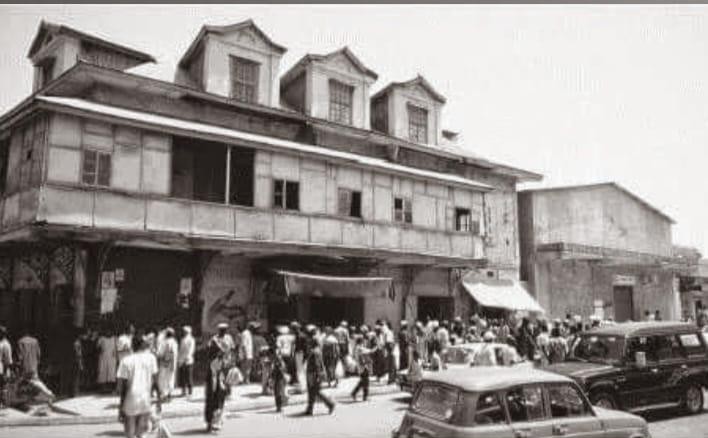
Written by: Dawda Baldeh
Banjul today commemorated 209 years since the signing of the 1816 treaty that led to the establishment of the city, with officials highlighting its transformation and calling for renewed unity and the preservation of its cultural heritage. The agreement, signed on April 23rd 1816 between Tomani Bojang, Senior King of Kombo, and the British, leased the island, then known as Bathurst, and laid the foundation for what would become The Gambia’s capital.
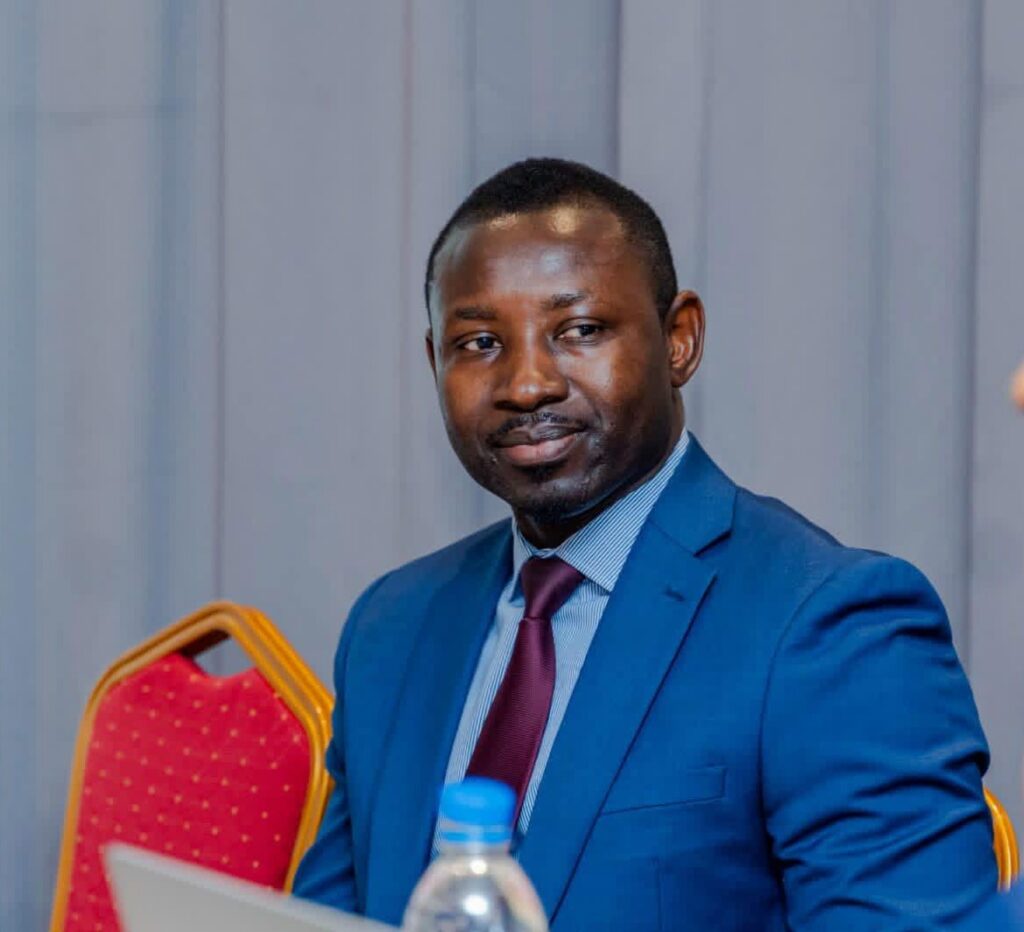
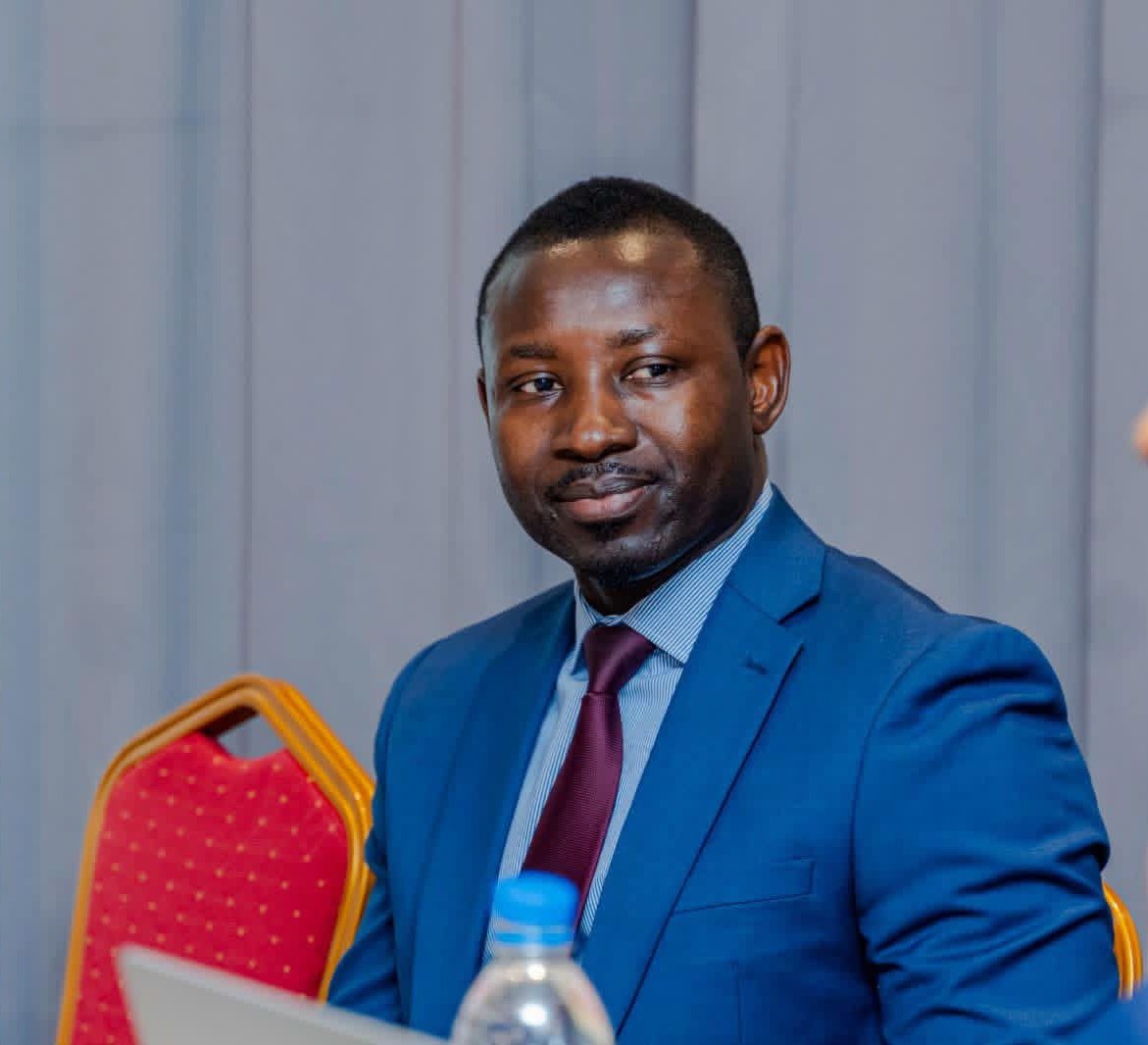
In a press statement marking the anniversary, Executive Coordinator of Banjul, Ebrima Jawo, reflected on the city’s journey from a colonial outpost to a modern urban centre. “Since its establishment as part of the British colony, Banjul has undergone major transformation,” Jawo said, adding that successive governments have invested in the growth and modernisation of the city.
He pointed to significant infrastructure improvements, including upgraded roads, enhanced sewage and drainage systems, and the introduction of a new ferry service connecting Banjul to the North Bank. He also emphasised the continued importance of the city’s seaport, stating that “our vibrant seaport continues to drive the national economy, boost trade, and create opportunities for our people.”
Jawo used the occasion to express appreciation to national leadership for ongoing development efforts in the capital. “I wish to extend profound gratitude to His Excellency the President and the Government of The Gambia for the developments Banjul has continued to enjoy,” he said, adding that these efforts are reinforcing the city’s role as “a centre of attraction, governance, commerce, and culture.”
Beyond infrastructure and economic growth, the Executive Coordinator stressed the importance of unity and cultural preservation among residents. “As Banjulians, this anniversary is a moment for reflection. We must safeguard the founding unity upon which our city was built,” Jawo said, adding that “Banjul’s rich cultural heritage, our festivals, our history, our diversity, remains a vital asset.”
He urged citizens to take collective responsibility for protecting and promoting the city’s identity for future generations, stating that “it is our collective duty to protect and promote it for future generations.”
Jawo also called for continued commitment to building a stronger capital. “On this day, we honour our past, acknowledge the progress made, and recommit ourselves to building a Banjul that is resilient, inclusive, and prosperous.” The anniversary serves as both a historical milestone and a reminder of the city’s evolving role at the heart of national life.
Comments are closed.


Very interesting and Educativate