

 111
111 2
2 3
3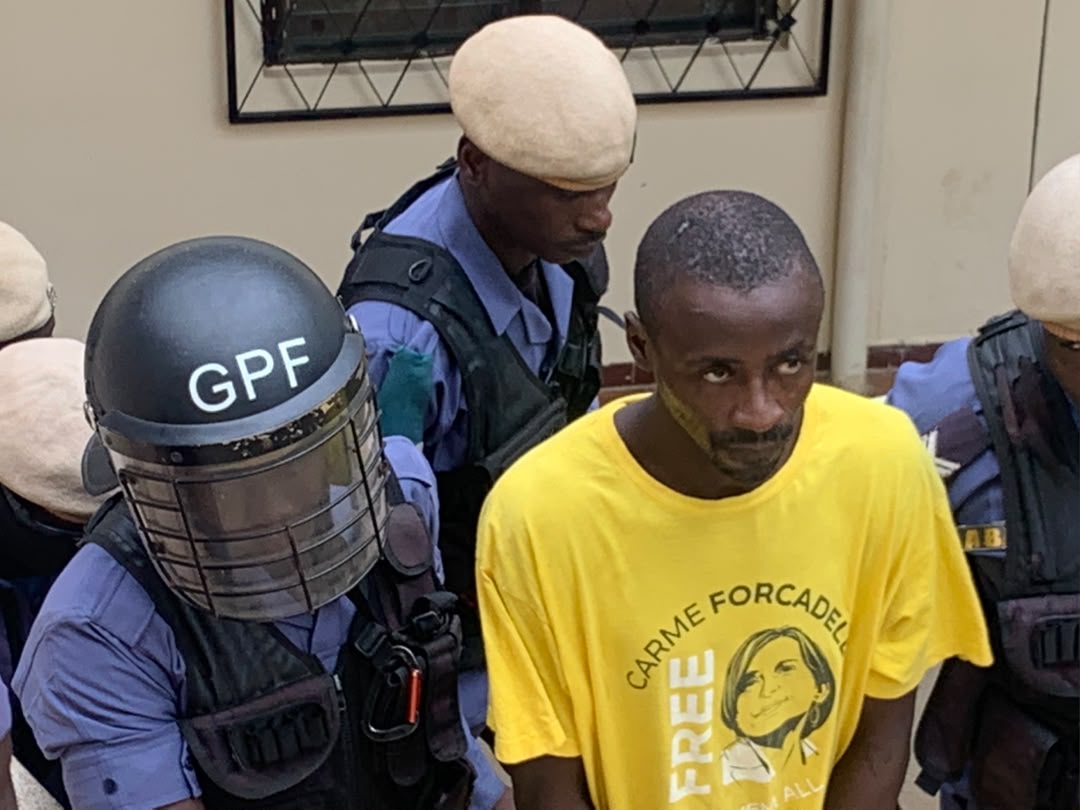
Written by: Mama A. Touray
A pathologist has told the Banjul High Court that University of The Gambia graduate assistant Yunusa Mbaye died from massive blood loss caused by a stab wound to the neck, as the murder trial of Mamadou Bah, popularly known as “Areas”, continued before Justice Sidik K. Jobarteh.
The case stems from an alleged altercation on 16 June 2026 in which prosecutors say Bah fatally stabbed Mbaye in the neck with a broken bottle following a dispute over the volume of a radio. Earlier witnesses told the court they saw the accused attack Mbaye before bystanders rushed him to hospital, where he later died.
Dr. Ousman Leigh, the fifth prosecution witness, a pathologist contracted by the Edward Francis Small Teaching Hospital, testified that he carried out the post-mortem examination on Mbaye’s body on 16 June 2026.
“The cause of death was massive external loss of blood due to damage to the blood vessels on the left side of the neck. This was caused by a stab wound to the left side of the neck,” Dr. Leigh told the court.
The pathologist, who said he has more than a decade of experience conducting post-mortem examinations, testified that the injuries were inflicted with a heavy object and that the deceased had multiple cuts to the left side of his neck.
“It had a very deep wound on the left side of the neck, and it was so severe that it caused extensive damage,” he explained.
According to his testimony, the injuries included damage to the skeletal muscles on the left side of the neck, a major vein, an artery supplying blood to the back of the neck, and the recovery of a 0.5-centimetre fragment of broken glass from the wound.
The sixth prosecution witness, police photographer Ebrima Cham, also testified before the court.
Cham recalled being called to the hospital on 16 June 2026 to photograph the post-mortem examination.
“I received a call informing me that a post-mortem examination was to be conducted on Yunusa Mbaye. I took my camera to the hospital, where I met the mortuary attendant and the doctor,” he testified.
He explained that after Mbaye’s body was identified, the examination proceeded and he photographed the injuries before returning to his office to transfer the images to an official laptop and print them.
Asked how he could identify the photographs, Cham replied: “They bear my name and signature.”
The prosecution applied to tender the photographs as evidence. The defence raised no objection, and Justice Jobarteh admitted the images into evidence.
During cross-examination, Cham told the court his only role was photographing the post-mortem examination and that he had no knowledge of the medical cause of death beyond the images he captured.


