
 11
11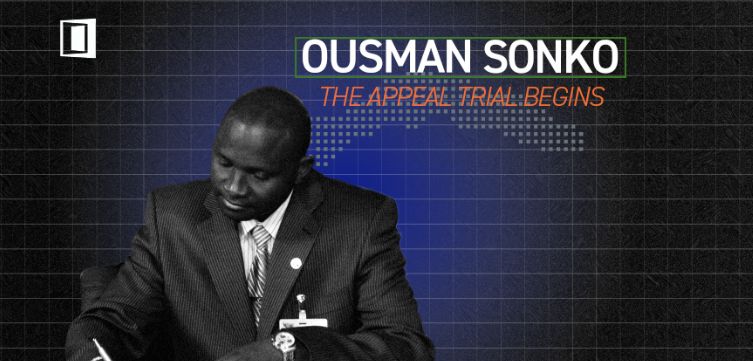
Written by: Seringe S.T. Touray
The appeal trial of former Gambian Interior Minister Ousman Sonko has opened today in Bellinzona, Switzerland, marking a significant new phase in one of the most consequential international cases linked to abuses committed during the rule of Yahya Jammeh. The proceedings come nearly a decade after Sonko’s arrest and almost two years after his conviction for crimes against humanity by a Swiss court.
In May 2024, the Swiss Federal Criminal Court found Sonko guilty of multiple counts of crimes against humanity committed between 2000 and 2016. The court sentenced him to 20 years in prison, in a landmark ruling that placed him among the highest-ranking officials ever convicted in Europe under the principle of universal jurisdiction.
Sonko was arrested in 2017 following a denunciation filed by TRIAL International, an organisation that has been at the forefront of international efforts to pursue accountability for grave crimes. His conviction was widely regarded as a pivotal moment in the global fight against impunity for abuses allegedly committed during Jammeh’s presidency.
According to the 2024 judgment, the court found Sonko responsible for a series of serious offences spanning more than a decade. These include the killing of a perceived political opponent in 2000, acts of torture and unlawful detention linked to an alleged coup attempt in March 2006, the killing of a politician in 2011, and further acts of torture and deprivation of liberty, including one killing, targeting peaceful demonstrators in 2016. The court also ordered Sonko to pay compensation to plaintiffs.
However, the court discontinued all charges related to sexual violence. It ruled that some of the alleged acts were time-barred, while others were considered isolated incidents that did not meet the threshold required to be classified as crimes against humanity.
The current appeal has been brought by multiple parties. Sonko has challenged the judgment in its entirety, while the Office of the Attorney General and ten plaintiffs are contesting specific aspects of the ruling. The appeal proceedings are expected to last at least two weeks and will include the participation of five plaintiffs travelling from The Gambia to attend the hearings.
One of the plaintiffs, Ramzia Diab Ghanim, expressed hope that the appeal process would provide meaningful redress. “I sincerely hope that this process will bring truth, accountability, and justice. My deepest wish is that the voices of victims and survivors are heard and respected, and that this trial contributes to healing and dignity for all those who suffered,” she said, according to a statement issued by TRIAL International.
The case is being closely followed as part of broader efforts to hold perpetrators accountable for crimes committed during Jammeh’s rule. While domestic processes in The Gambia continue, including discussions around establishing a special tribunal, international prosecutions have increasingly played a role in pursuing justice. Previous cases in countries such as Germany and the United States have resulted in convictions of individuals linked to the so-called “Junglers” death squad, which has been accused of carrying out extrajudicial killings and other abuses.
TRIAL International said it will provide weekly updates on the appeal proceedings and is working with the Solo Sandeng Foundation, a Gambian victim-led non-profit organisation that promotes democracy, human rights, and transitional justice. The foundation was created to honour the legacy of activist Ebrima “Solo” Sandeng, whose death in custody in 2016 under Jammeh’s regime became a symbol of resistance and demands for justice. The organisations aim to disseminate information about the trial in The Gambia and among affected communities in local languages, in collaboration with the Alliance of Victim-Led Organisations.
As the appeal unfolds, the outcome is expected to carry significant implications, not only for the victims involved but also for ongoing efforts to address past abuses and strengthen accountability mechanisms connected to The Gambia’s recent history.