
 11
11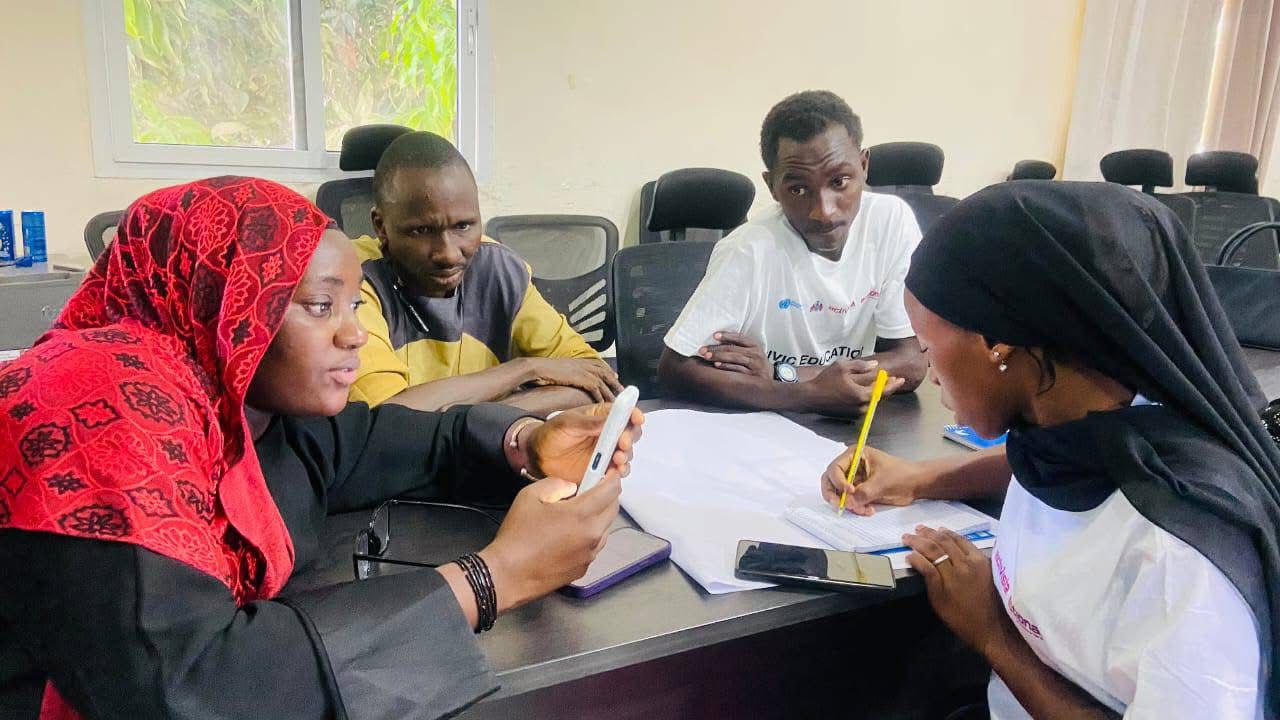
Written by: Alieu Jallow
As The Gambia approaches the December 2026 presidential elections, the importance of civic awareness is taking centre stage in shaping an informed and responsible electorate. In democratic societies, civic education remains a vital tool for empowering citizens with knowledge of their rights and responsibilities, strengthening participation, and safeguarding peaceful electoral processes.
Against this backdrop, Activista The Gambia, in collaboration with Global Platforms Gambia and Safe Home for Migrants Association, convened a Civic Education Camp aimed at nurturing a new generation of engaged and informed citizens.
The initiative, implemented under the Youth Promotion Initiative led by ActionAid International The Gambia and funded by the United Nations Peacebuilding Fund, reflects a growing commitment to deepening democratic culture and encouraging youth participation in national development.
Dubbed Civic Education Camp 2.0, the initiative was held across the Upper River Region and Lower River Region, with organisers describing it as a “living classroom of democracy.” Over three days, participants engaged in interactive sessions designed to unpack the meaning of citizenship and the responsibilities it carries.
Discussions focused on key themes, including citizenship, where issues of identity, belonging, and inclusion were explored. Facilitators stressed that citizenship goes beyond legal recognition and involves a shared duty to contribute to national progress.
Sessions on rights and responsibilities highlighted the balance between freedoms and obligations, reinforcing that democratic rights must be actively protected and exercised responsibly.
A strong focus was also placed on the role of young people in elections, with participants encouraged to see themselves as active contributors to electoral integrity rather than passive observers. The training stressed the influence of youth in shaping leadership and promoting accountability.
With the election period drawing closer, peacebuilding emerged as a central theme. Participants were urged to act as ambassadors of peace within their communities, promoting tolerance and helping to ensure that electoral processes remain peaceful and credible.
Beyond electoral themes, the camp addressed migrant reintegration and rights protection, youth and women’s political participation, and the principles of ethical leadership. Participants pledged to take these lessons back to their communities, supporting inclusive political engagement and advocating for accountability at all levels of governance.
In a telephone interview with The Fatu Network, Ansumana Camara, Country Coordinator for Activista The Gambia, said the organisation is focused on translating civic dialogue into tangible action.
He said the Civic Education Camps are designed to equip young people with the knowledge and confidence needed to participate in elections, promote peaceful conduct, and hold leaders accountable.
“By training participants as community ambassadors, we ensure that the lessons learned here ripple outward, transforming civic awareness into real, measurable impact across villages, towns, and regions,” he said.
Camara added that with support from ActionAid International The Gambia and the United Nations Peacebuilding Fund, the initiative is being embedded into long-term strategies. These include building regional youth networks, integrating civic education into community structures, and creating inclusive platforms for women, migrants, and marginalised groups to engage consistently in governance processes.
“Our goal is not just to host camps, but to institutionalise civic learning so that every Gambian, regardless of location, has access to democratic knowledge and tools,” he added.
The inclusion of persons with disabilities was also highlighted as a key milestone. Responding to concerns about representation in decision-making, Camara said their participation is both symbolic and transformative.
“It challenges the long-standing neglect of PWDs and affirms their rightful place in democratic and community processes. By ensuring their voices are heard, we are reshaping societal attitudes, promoting accessibility in governance, and inspiring communities to embrace inclusivity. This is justice, and it strengthens democracy by ensuring no citizen is left behind,” he said.
The Civic Education Camp 2.0 reflects growing recognition that an informed youth population is essential to building a resilient and inclusive democracy. As participants return to their communities, they carry a renewed sense of purpose to champion peace, justice, and active citizenship in the lead-up to the 2026 elections.