
 11
11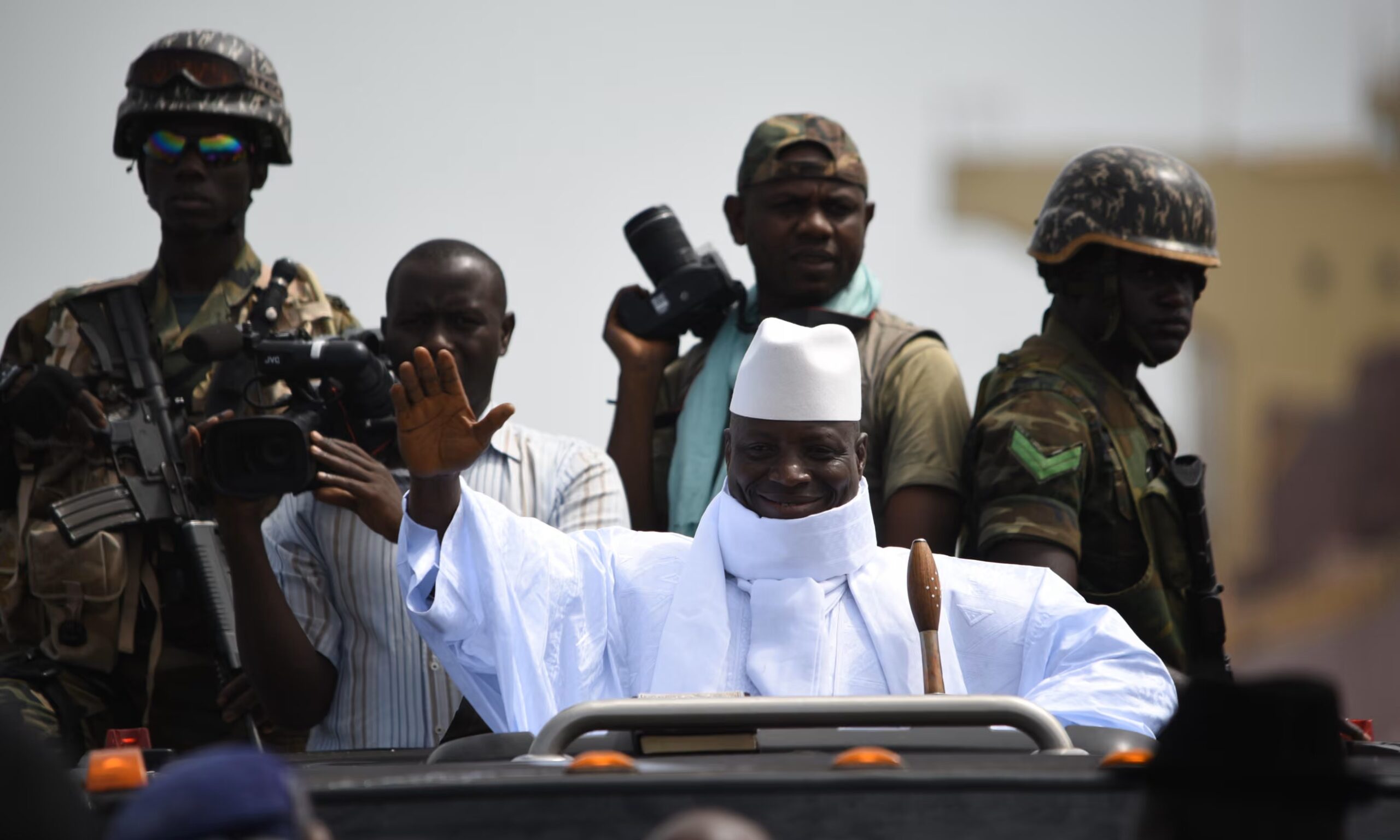
Written by: Alieu Jallow
Civil society organisations on Wednesday, April 8th convened to assess the findings of the National Assembly’s Special Select Committee (SSC) on the sale of assets linked to former president Yahya Jammeh, intensifying calls for the prosecution of individuals found culpable of corruption. The engagement, spearheaded by Gambia Participates, brought together members of civil society and the media to analyse the report and examine accountability concerns surrounding the asset disposal process.
The SSC inquiry was established following public concern over how assets identified during the Janneh Commission were later managed and sold. The Janneh Commission, set up in 2017, investigated the financial dealings of Jammeh and his associates during his 22 year rule and recommended the seizure of properties, businesses, vehicles, livestock and other assets believed to have been improperly acquired.
The committee’s report, released last month, detailed widespread irregularities in how those assets were disposed of. It cited weak oversight, poor record keeping, undocumented transactions, and instances where assets were sold without clear legal authority. Investigators also raised concerns about missing assets, including discrepancies in livestock records, and the use of informal sales methods that bypassed standard valuation and accountability procedures.
These findings have since raised broader concerns about transparency, governance, and potential misconduct in the handling of recovered public assets. The latest engagement forms part of ongoing efforts by civil society groups to push for accountability, including addressing conflict of interest concerns, economic crimes, and gaps in oversight identified in the report.
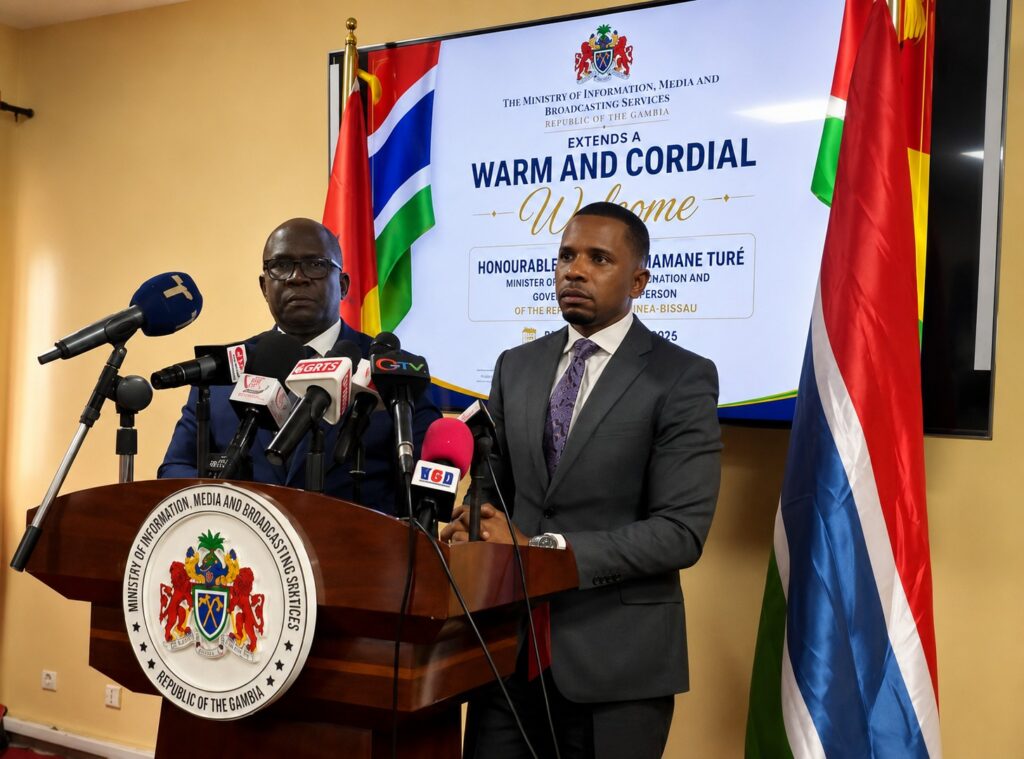
The calls for accountability come as the government moves to operationalise its broader post Truth, Reconciliation and Reparations Commission (TRRC) justice framework. During a press briefing held on April 8th, Attorney General and Minister of Justice Dawda A. Jallow introduced Martin Hackett as the country’s first Special Prosecutor, tasked with leading investigations and prosecutions related to serious human rights violations identified by the TRRC.
The Special Prosecutor’s Office forms part of a wider accountability mechanism designed to translate the TRRC’s findings into prosecutions, with cases expected to be handled through a Special Criminal Division of the High Court and, in the longer term, a proposed Special Tribunal for The Gambia in partnership with the Economic Community of West African States (ECOWAS).
While the Special Prosecutor’s mandate is primarily focused on human rights violations committed during Jammeh’s rule, the development signals a broader shift toward enforcement and accountability, as pressure mounts to ensure that findings from national inquiries, including the SSC report on asset sales, lead to concrete legal action.
Marr Nyang, Executive Director of Gambia Participates, said the objective of the exercise is for stakeholders to dissect the report and develop an accountability framework, leading to a position paper that will be used to engage the government on reforms and prosecution.
“The ultimate goal is to ensure those culpable, those found guilty of corruption, are subjected to due process for prosecution, and to recover those missing monies, because those monies belong to the state, which already faces limited resources to meet public needs,” he said.
Omar Saibo Camara, a member of Gambians Against Looted Assets, said a key accountability gap lies in what he described as the committee’s reliance on broad recommendations without clearly identifying individuals responsible or specifying consequences.
“While general recommendations provide useful direction, they often fall short in ensuring justice when they do not clearly name those responsible, outline the nature of their offences, or propose concrete legal or administrative consequences,” he said.
He warned that this lack of specificity creates ambiguity around enforcement and limits the ability of institutions to take decisive action.
Camara added that immediate steps are required from the executive branch, including full implementation of the committee’s recommendations, recovery of missing public funds, and the initiation of legal and disciplinary measures against individuals found culpable.
“Effective implementation will reinforce accountability, strengthen public trust, and demonstrate a genuine commitment to transparency, justice, and the rule of law,” he said.
The committee’s findings also highlighted several structural and procedural failures, including the use of parallel processes in managing assets, where both High Court orders and commission mechanisms were applied, creating overlap and confusion. It cited non compliance with a May 22nd 2017 preservation order by key state institutions, concerns about conflict of interest involving the commission’s lead counsel, and the absence of basic administrative tools such as an organogram, functional handbook, and clearly defined roles for staff.
Human rights activist Madi Jobarteh said the report exposes significant accountability gaps that threaten public trust and the rule of law. He pointed to the lack of transparency in asset sales, including missing details on valuations, bidding processes, buyers, and final sale prices, as well as weak coordination among institutions involved in managing the assets.
He also raised concerns about the absence of sanctions against those implicated, warning that this reinforces a culture of impunity. In addition, he noted that the report does not clearly show how proceeds from asset sales are being used to support victims through reparations.
“To address these concerns, urgent measures are required, including the publication of a comprehensive audited inventory of all assets, an independent forensic audit, and the initiation of administrative and criminal proceedings where necessary,” he said.
He further called for the establishment of a transparent asset management framework with parliamentary oversight, along with a dedicated and accountable reparations fund to ensure that victims benefit from recovered resources.
The engagement concluded with renewed calls for urgent government action, with stakeholders stressing that accountability, transparency, and prosecution remain essential to restoring public trust and ensuring justice in the management of assets linked to Jammeh.
Comments are closed.

Welcome back