
 11
By Hadram Hydara
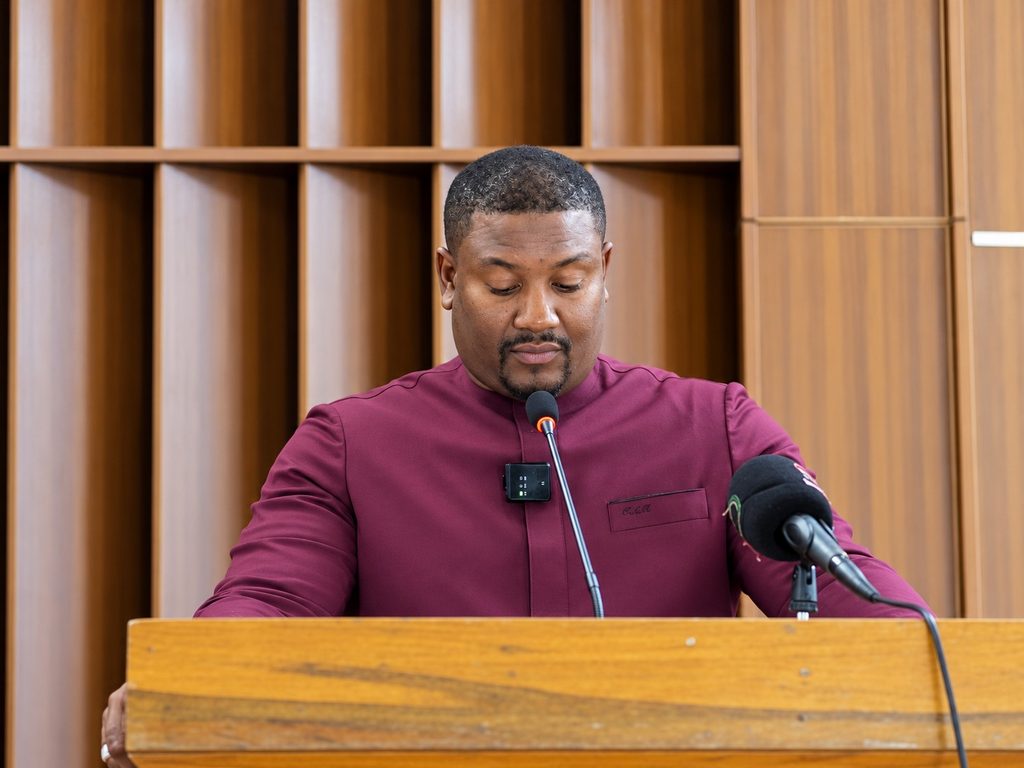
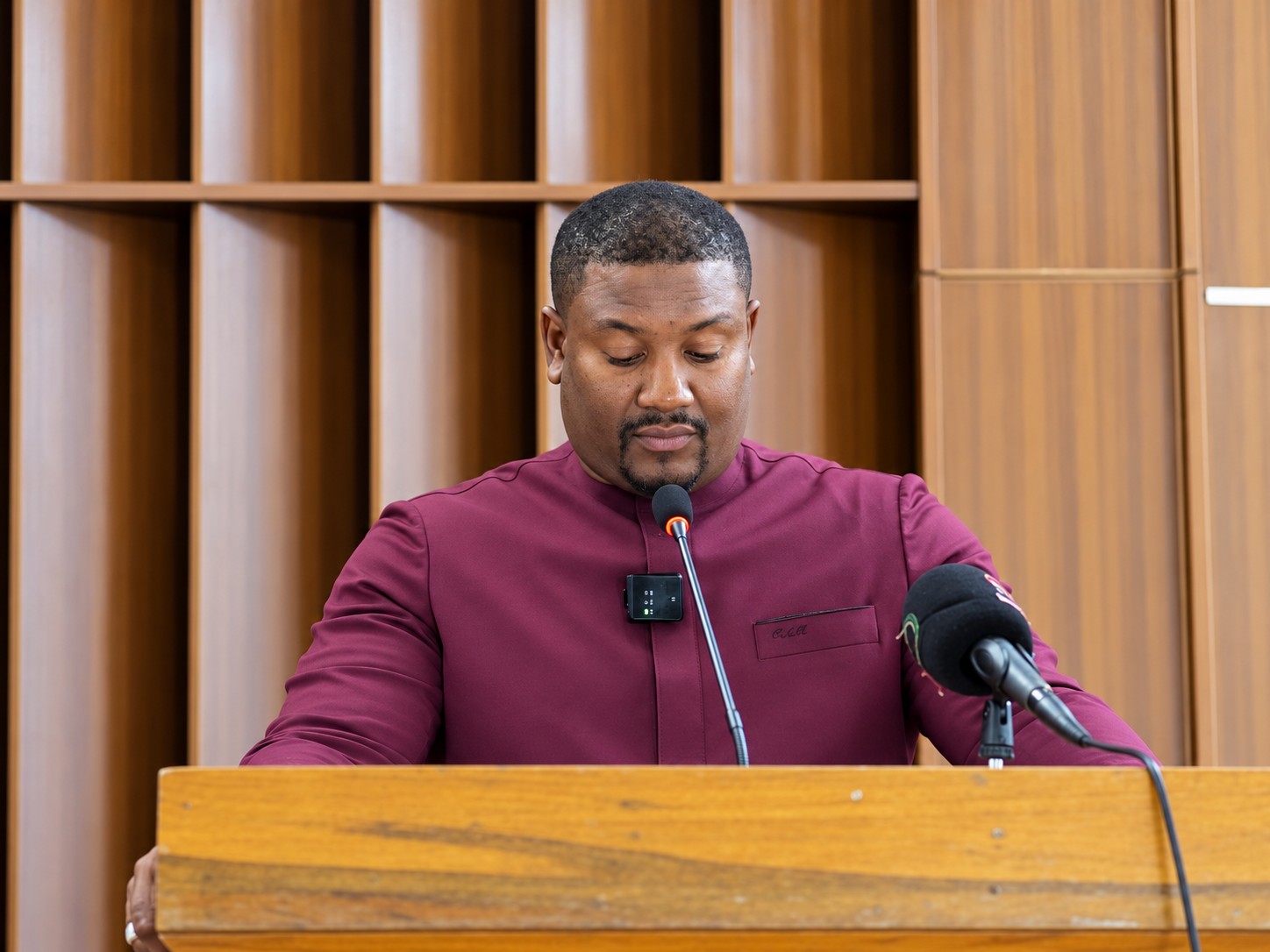
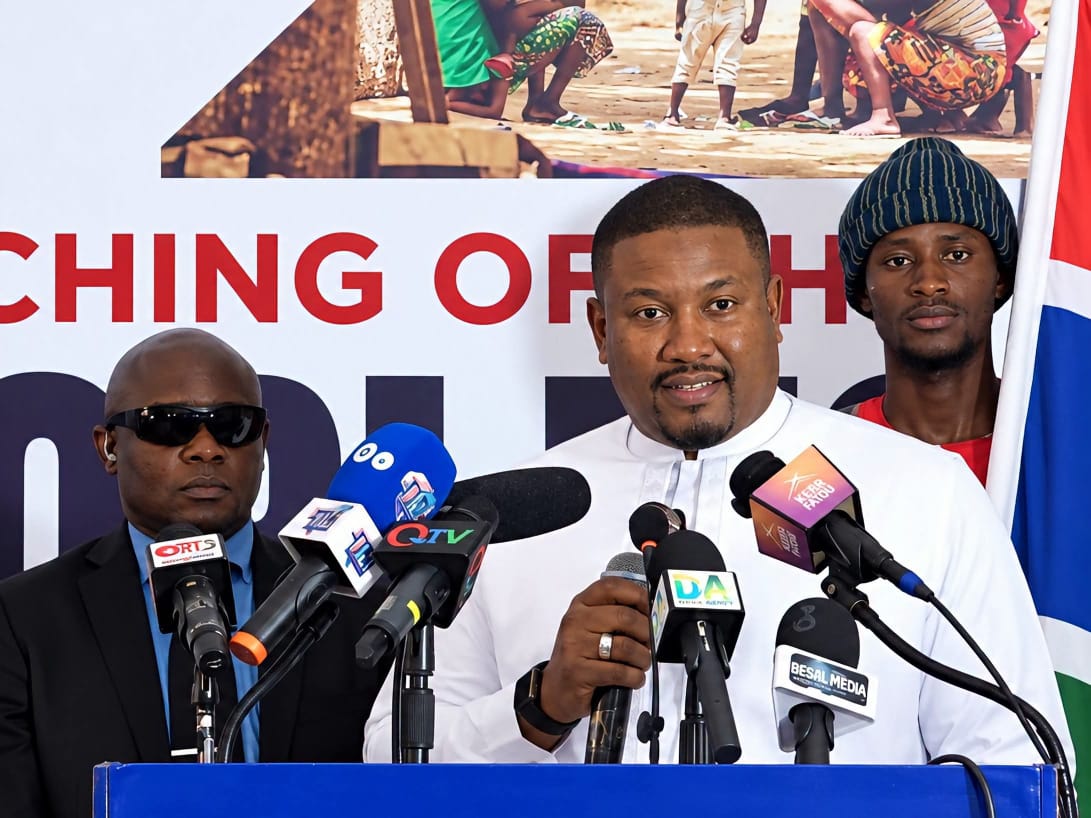
Coalition 2026 has unveiled an ambitious election manifesto centred on constitutional reform, anti-corruption measures, diaspora voting and a sweeping economic transformation programme, as the opposition alliance seeks to position itself as an alternative to President Adama Barrow’s government.
The coalition, led by Talib Ahmed Bensouda, said its programme is built around three pillars: governance and trust, human development, and economic integrity. It argued that nearly a decade after the 2016 political transition, reforms remain incomplete, accountability mechanisms are weak, and the cost of living continues to rise.
In its manifesto, the alliance pledged to hold a constitutional referendum within two years, introduce a two-term presidential limit, operationalise diaspora voting before the next presidential election and repeal or amend restrictive provisions of the Public Order Act to strengthen freedom of assembly.
The coalition also promised to digitise government operations, create a public procurement platform, enforce asset declarations for political office holders and prosecute where necessary. It said governance under a Coalition 2026 administration would be defined by “results, accountability, and public confidence”.
On the economy, the alliance proposed reducing import dependence by boosting domestic production, establishing a National Development Bank, reforming the foreign exchange market, and launching a diaspora investment and bond programme. It also pledged to introduce a sector-based minimum wage framework and a “Gambians First” procurement policy favouring local businesses where domestic capacity exists.
The manifesto outlines plans to transform The Gambia into what it describes as a regional hub for education, tourism, logistics, agro-processing and professional services, with the long-term goal of attaining middle-income status within a decade.
In the fisheries sector, the coalition said it would halt the expansion of industrial fishing by issuing no new licences for trawlers or fishmeal factories, while establishing protected coastal zones for artisanal fishermen. The document also proposes an immediate ban on timber exports to support local manufacturing.
Other major pledges include increasing the national health budget to 15% within three years, expanding technical and vocational education, building a national electronic medical records system, constructing a modern national stadium, creating 10,000 affordable housing units and conducting an independent review of NAWEC as part of broader reforms aimed at reducing electricity and water costs.
Presenting the document as a roadmap for what it called “national renewal”, Coalition 2026 said the country’s future would be determined not by promises alone but by the quality of leadership entrusted to implement reform.