
 11
Written by: Mama A. Touray
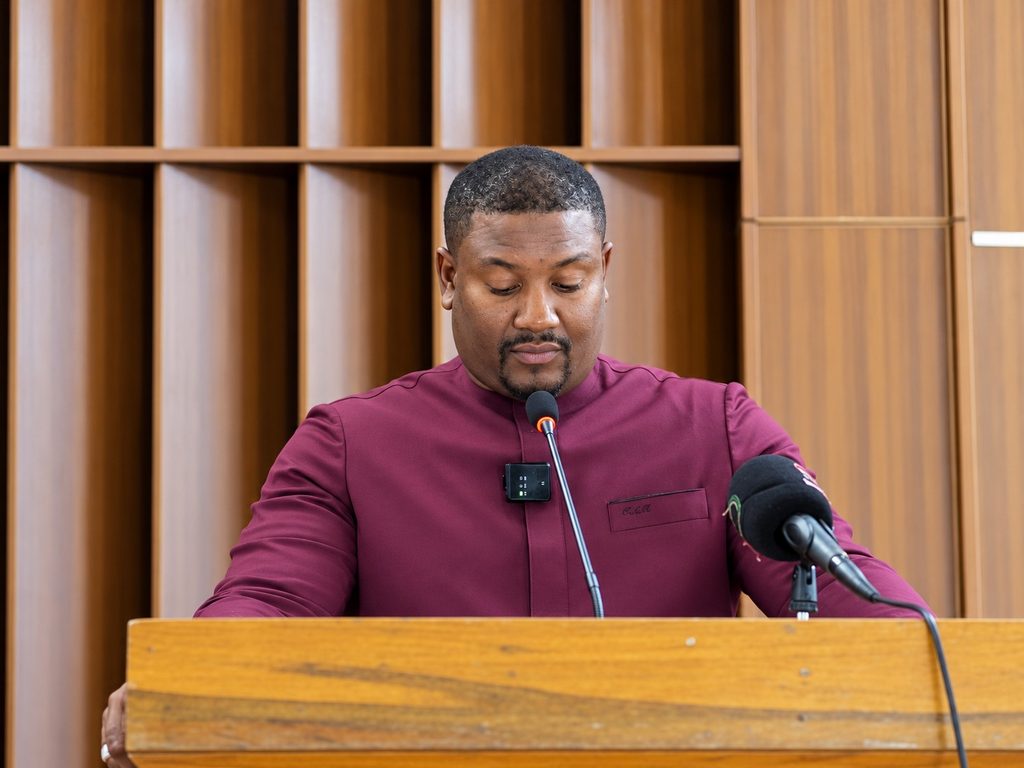
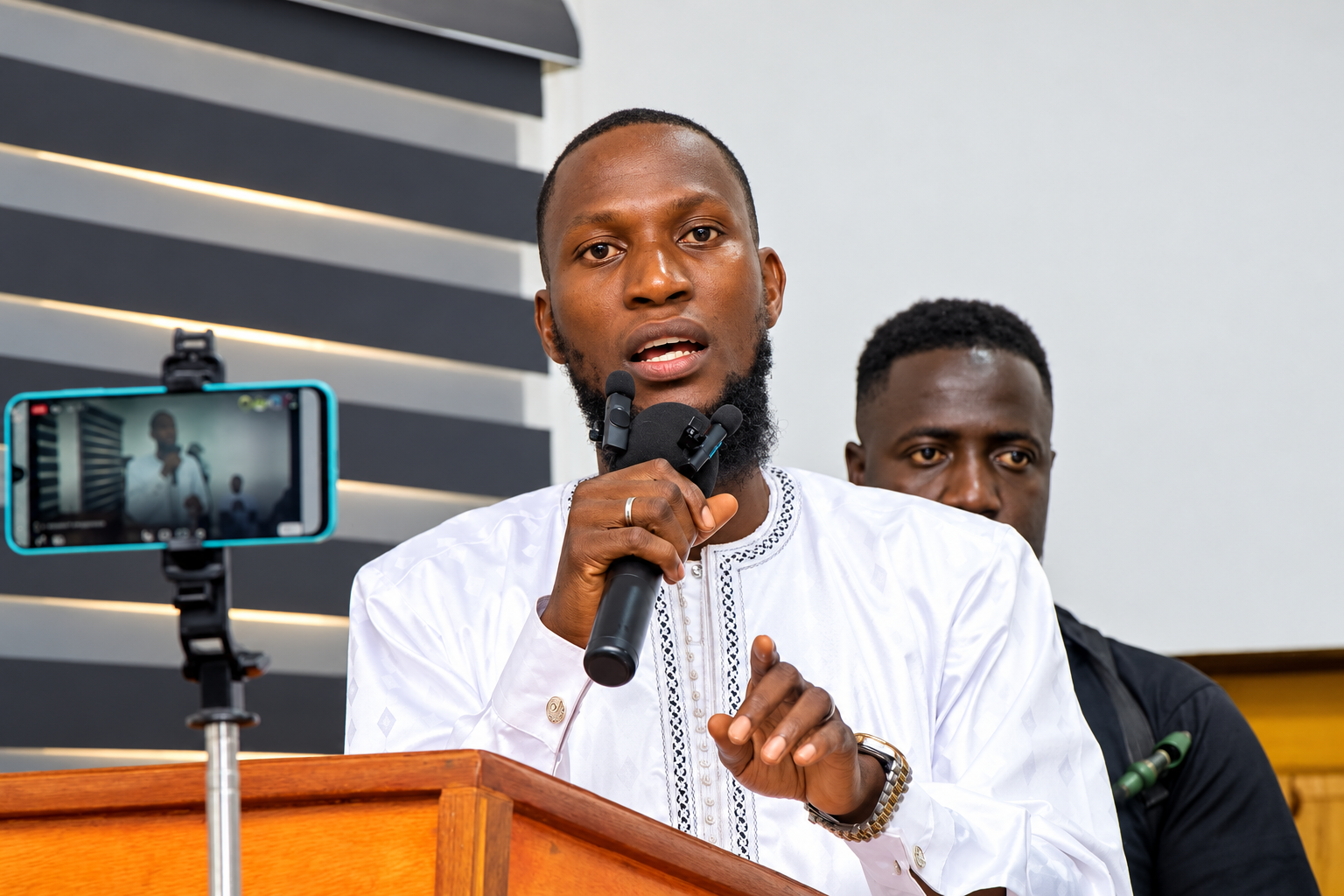
The National Assembly Member (NAM) for Foni Bintang Karanai, Bakary K. Badjie, has expressed serious concern over The Gambia’s rising national debt, revealing that the country accumulated an additional D97 billion in debt over the past ten years.
Speaking during parliamentary deliberations on the government’s 2027 budget estimates, Badjie questioned the sustainability of the country’s borrowing and the growing cost of servicing its debt.
“In 2017, the debt of this country stood at D47 billion, and today, the debt of the country is at D144 billion. Within a period of ten years, we have accumulated a debt of D97 billion, and we are saying this is growth and how we want to run our nation,” he told the National Assembly.
He described the amount allocated to debt servicing as worrying, arguing that it places a significant burden on public finances and limits resources available for essential services.
“This year, we have D66 billion, and D16 billion out of that D66 billion is going into debt servicing. The debt servicing has become too costly for us, far more than any ministry, far more than the most sensitive ministries in the country,” he said.
According to Badjie, the allocation for debt servicing exceeds the individual budgets of key ministries, including the Ministry of Basic and Secondary Education, the Ministry of Health and the Ministry of Higher Education, Research, Science and Technology.
“We need to look into the debt and be realistic,” he said.
The lawmaker also expressed concern over outstanding government payments affecting the education sector, warning that unpaid arrears are creating serious financial difficulties for institutions.
He revealed that arrears associated with the Ministry of Basic and Secondary Education (MoBSE), including transport and tuition fees, amount to nearly D1 billion.
“The Ministry of Finance must tell us how they want to settle these arrears because these arrears are handicapping the universities, and these are the things we as a nation must be ready to solve,” he said.
Badjie further disclosed that the Ministry of Higher Education has outstanding scholarship payments estimated at D180 million, describing the situation as unacceptable and calling for urgent action.
Turning to the broader purpose of the national budget, the Foni Bintang Karanai representative questioned whether government spending adequately addresses the needs of ordinary Gambians, particularly unemployed young people and vulnerable communities.
“When we draw budgets, we ask what that old woman in Boli Banna is benefiting. Is that Gambian youth going to benefit from the budget? The one who is not employed, is that individual going to benefit from the budget, or is the budget merely for members of parliament, ministers and all those employed?” he asked.
He argued that employment creation and improvements in living conditions should take priority over government workshops and other administrative expenditures.
“What kind of jobs do you want to create for those unemployed? This should be the thinking of a nation to progress, and we cannot have all those workshops upon workshops on things that we already know,” he said.
Badjie criticised what he described as the practice of spending public funds on workshops where officials discuss familiar challenges without producing meaningful solutions, calling it an injustice to the population.
He concluded by stressing that the national budget must reflect the needs of all Gambians, ensuring that citizens across the country benefit from the resources allocated by the government.