
 11
11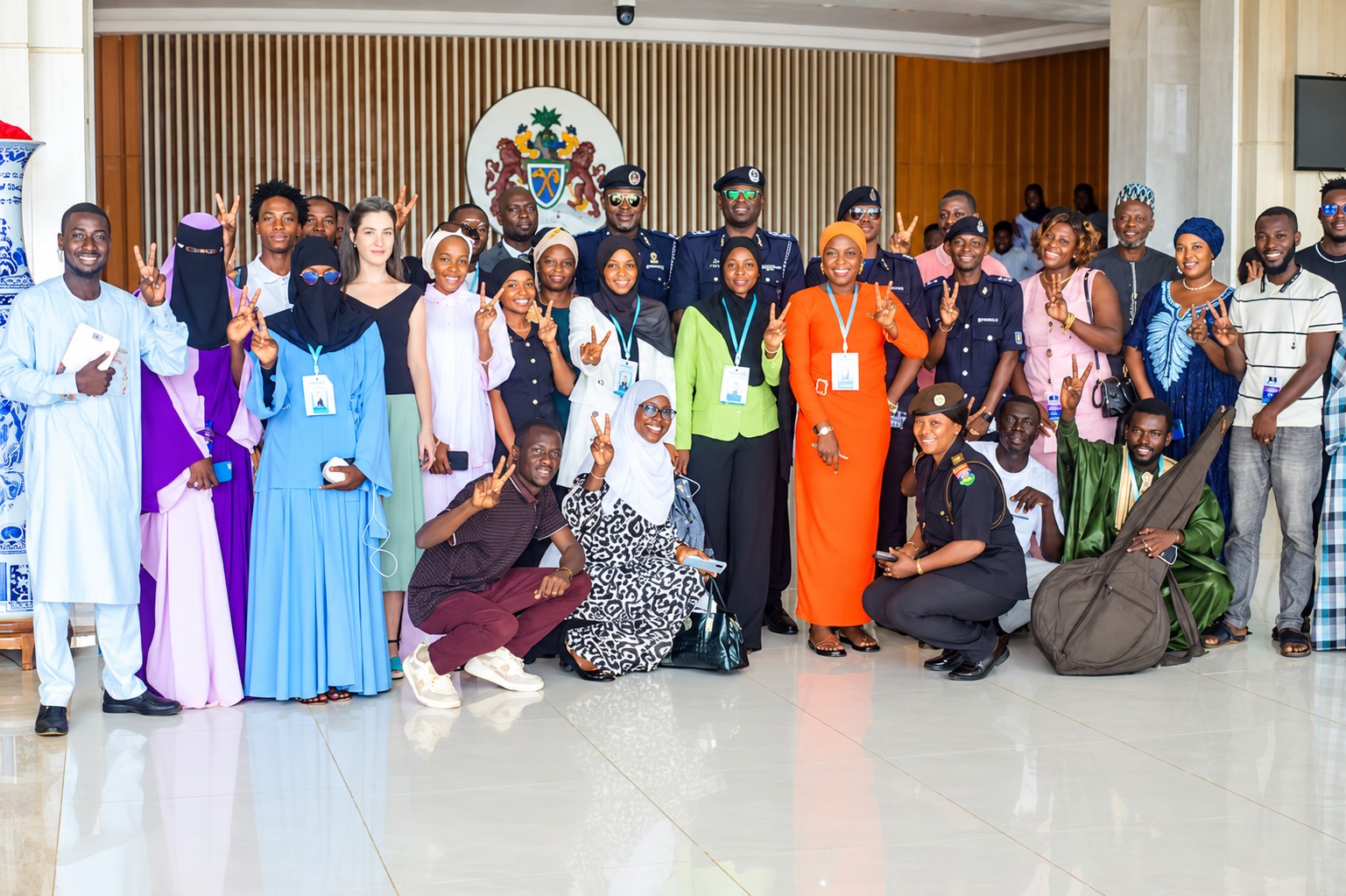
Published by: The Fatu Network
The Gambia Peace Project has unveiled a ten-year initiative aimed at treating peace not simply as the absence of conflict, but as a national asset requiring long-term investment in people, institutions, education and economic opportunity.
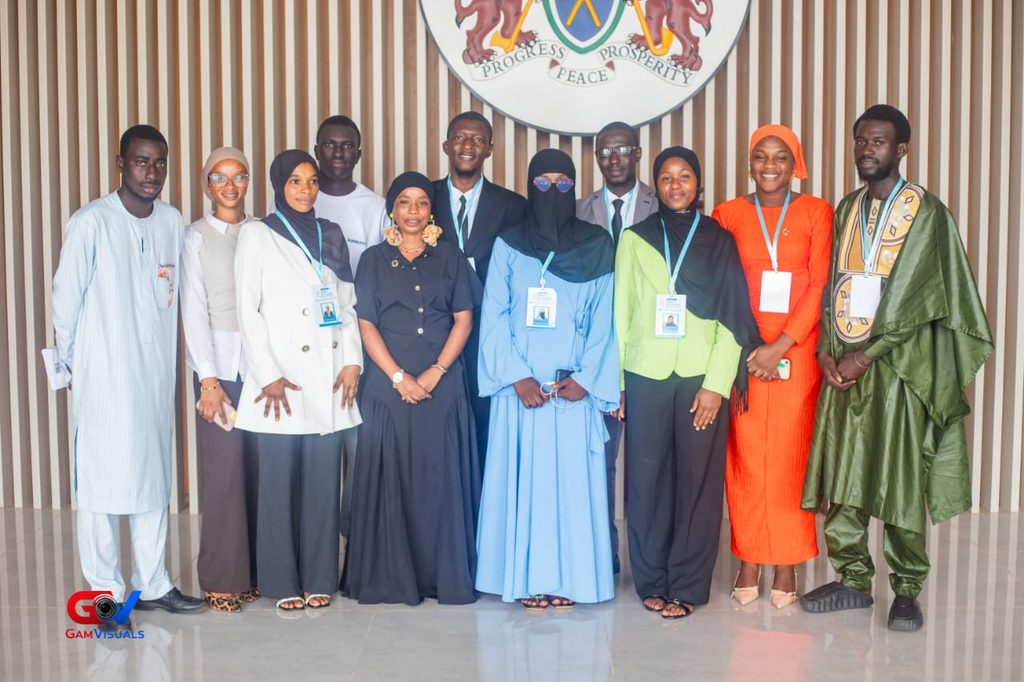
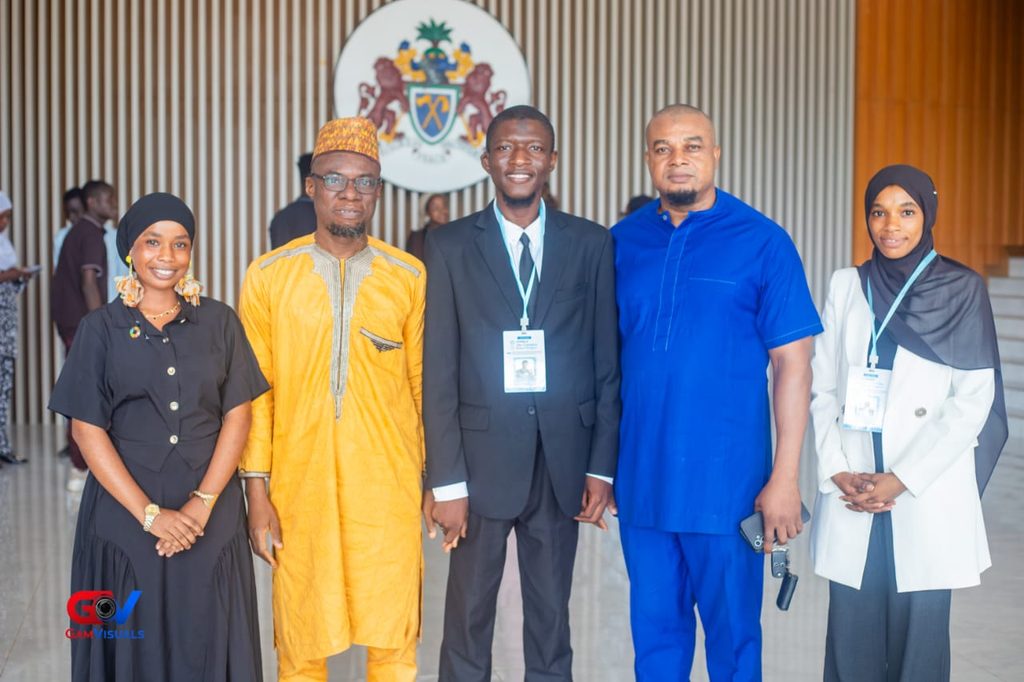
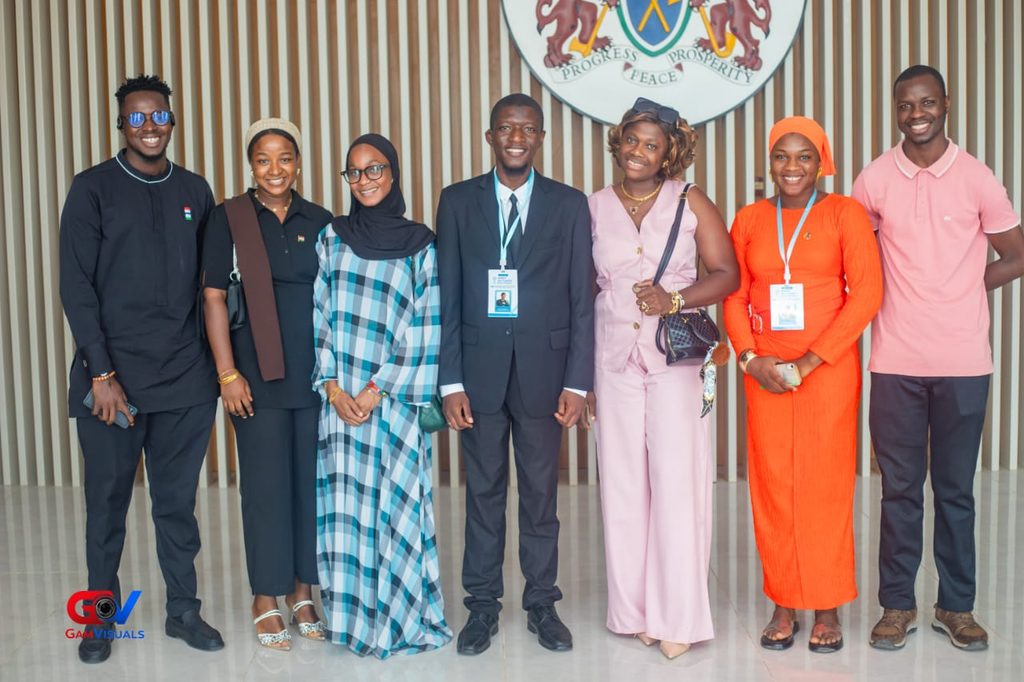
Launched on September 26th by the Institute of International Peace Leaders (IIPL) The Gambia, the project is expected to run from 2027 to 2037 under the theme, “Building Peace as National Capital: Investing in People, Partnerships and Prosperity.”
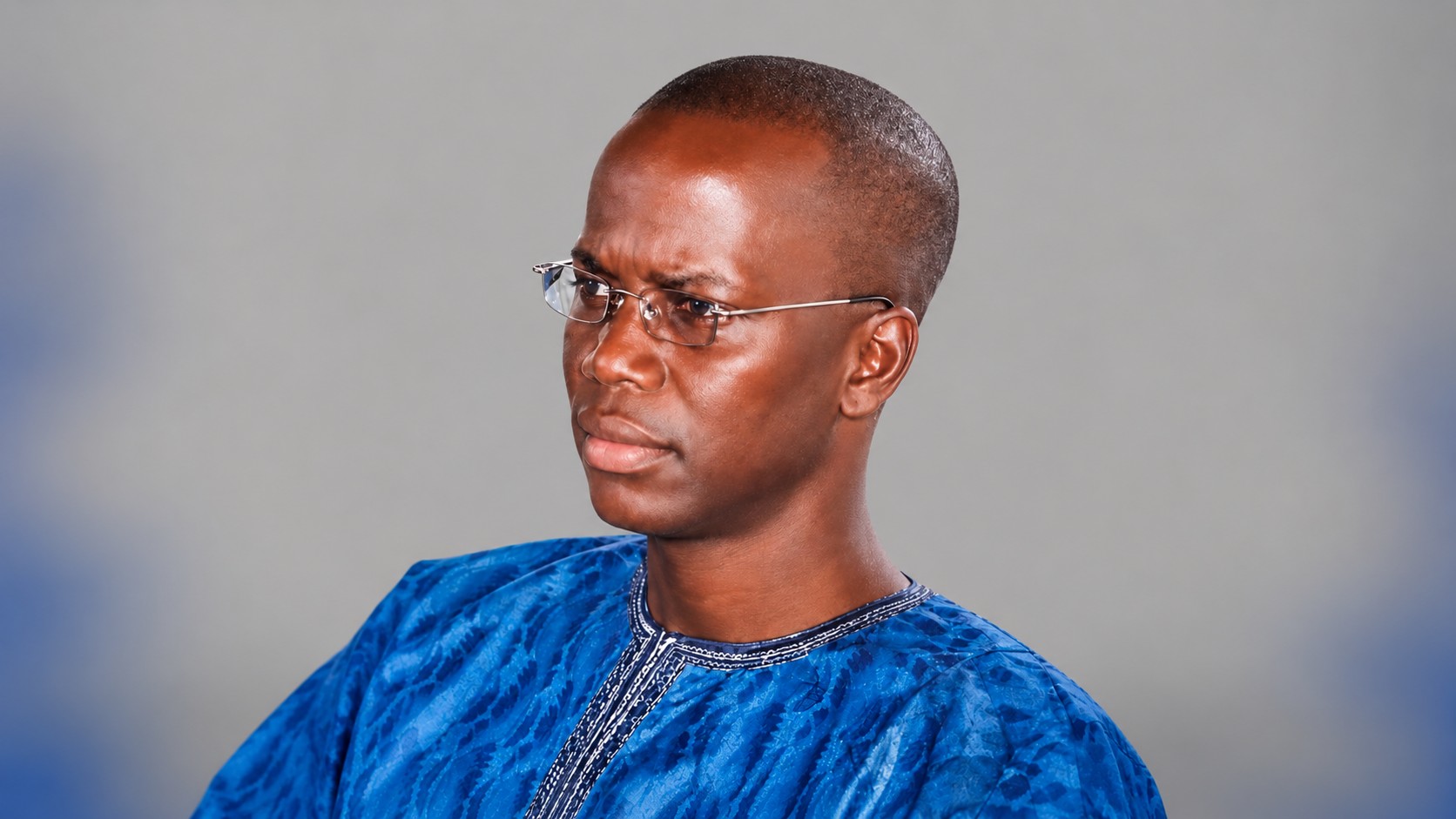
The project was founded by Muhammed Alamin Trawally, Country Director of IIPL The Gambia and author of Pearls of Sustainable Peace, a 2025 book examining how education, citizenship, ethical leadership and public policy can help societies prevent conflict before it develops.
Trawally’s work focuses heavily on preventive peacebuilding. At the centre of his thinking is the idea that governments should not wait for conflict or instability before investing in peace. Instead, he argues that peace should be deliberately built through education, responsible citizenship, strong institutions, inclusive governance and economic opportunity.
He describes this broader approach as “Peace as Infrastructure”, treating peace in much the same way countries treat other foundations of national development: something that must be planned for, financed and continually strengthened.
That thinking forms much of the foundation of the Gambia Peace Project.
The initiative proposes a preventive approach to peacebuilding, focusing on young people, peace education, responsible citizenship, ethical leadership, civic participation and stronger cooperation between citizens and public institutions. Its stated long-term goal is to position The Gambia as a leading African hub for peace, sustainable coexistence, responsible citizenship and human development.
Trawally argues that The Gambia’s history of religious tolerance, dialogue and social coexistence gives the country an opportunity to build a stronger international identity around peace. Through the project, his team hopes this could eventually support international partnerships, peace education, research, conferences and development initiatives.
The project is being introduced as The Gambia prepares for its December 5th presidential election, with local and international organisations paying increased attention to political tensions, hate speech and peaceful participation ahead of the vote.
In September, the European Union and the West Africa Network for Peacebuilding brought together state institutions, election bodies, security agencies, civil society, the media and regional actors to examine possible triggers of election-related tension and violence and discuss measures aimed at protecting the electoral process.
The National Democratic Institute also reported concerns about rising political tensions and the possibility that hate speech could deepen ethnic divisions or contribute to election-related violence. At the same time, its August pre-election assessment said preparations for the election were progressing as planned. Former United States Ambassador to the United Nations Linda Thomas-Greenfield, who co-led the mission, described The Gambia as “an inspiring example for democracy in West Africa.”
The Gambia Peace Project, however, is designed to extend well beyond the election period.
One of its largest proposed programmes is the President’s Peace Corps, which targets the training and graduation of 40,000 Peace Ambassadors during its first phase. Participants from schools, tertiary institutions, youth groups, communities and professional organisations would be trained in peacebuilding, conflict prevention, mediation, leadership, democratic values and community service.
Other components include plans to distribute at least 5,000 copies of Pearls of Sustainable Peace, establish an annual National Peace Investment Forum, create a Directors and CEOs Club, develop an All Banks Peace Investment Fund and launch a nationwide media and community engagement campaign.
Trawally, who is also an Ambassador of the Institute for Economics and Peace in Sydney, has professional training in international conflict analysis and peacebuilding, as well as certification in areas including civil military coordination, rule of law and media and arts for peacebuilding. His work has also taken him to international peace forums, including events in Dubai and India.
Through the Gambia Peace Project, he and his team are seeking to turn those ideas into a long-term national programme involving government, businesses, banks, civil society, educational institutions, development partners and communities.
The launch is intended to mark the beginning of consultations, partnership building and resource mobilisation rather than the completion of the project’s development.
Its central message is: “Building peace is building national capital.”
The project’s accompanying call to action is: “All Hands on Deck for Peace and National Development.”