

 111
111 2
2 3
3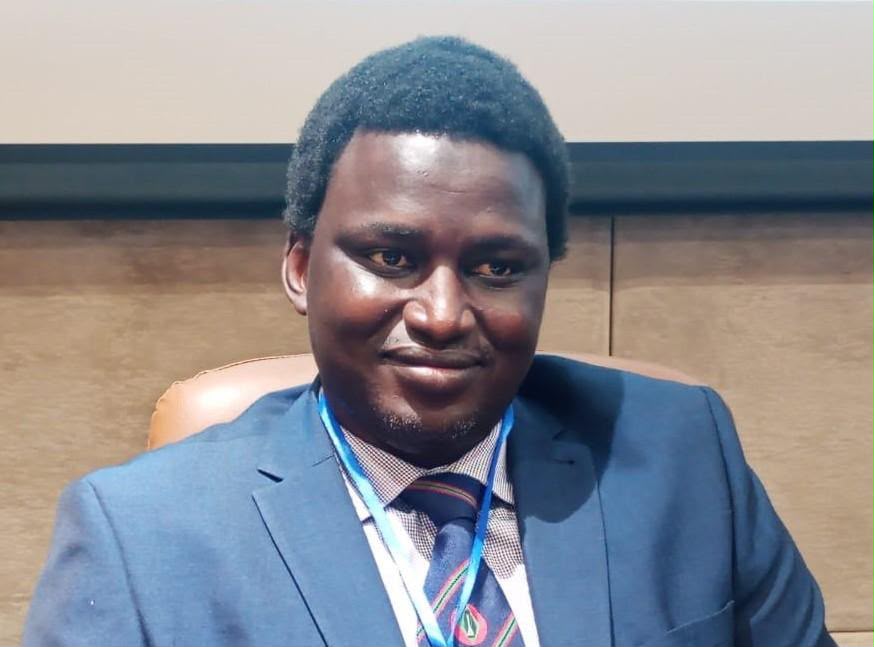
By Alieu Jallow
The Chief Medical Officer of the Edward Francis Small Teaching Hospital, Dr Mustapha Bittaye, told the Supreme Court on Tuesday that female genital mutilation (FGM) has no medical benefits and should remain banned because of the serious health risks it poses to women and girls.
Dr Bittaye gave evidence as an expert witness in the constitutional challenge Almameh Gibba & 7 Others v. Attorney General, in which petitioners seek to repeal Sections 32A and 32B of the Women’s (Amendment) Act, 2015, which criminalise FGM. The case is before a panel of Supreme Court judges led by Chief Justice Hassan B. Jallow, with Justice Cherno Sulayman Jallow among the panel.
A consultant obstetrician and gynaecologist with more than 18 years’ experience, Dr Bittaye told the court: “There is no need for circumcision because there are no medical benefits. It is very harmful, and the instruments used are not as significant compared to the harm caused by the act.” He rejected the suggestion that hygienic conditions remove the risks, saying: “Even if it is done under hygienic conditions, there are still complications attached to the act from a medical point of view.”
Dr Bittaye outlined long‑term harms including reduced sexual function, chronic clitoral pain, painful intercourse and complications from infibulation, and said FGM increases childbirth risks such as prolonged labour, caesarean sections, excessive bleeding and fetal distress. He told the court that some women require surgery to reverse infibulation and that communities often justify the practice as a way to prevent promiscuity: “From the evidence, it is done for prevention so that even if the girl wishes to have sexual intercourse, penetration cannot occur unless the sealing is removed.”
Citing research, he said more severe forms of FGM carry substantially greater risks: “If a woman without FGM has one incidence of bleeding, a woman with Type II FGM may have twice that risk, while a woman with Type III FGM may face a five-fold increase.” He acknowledged the practice’s cultural and religious roots but argued medical science offers no support for its continuation and urged the law to remain in place: “I think it should remain banned, just as I advocate against smoking and any other practice that exposes people to unnecessary risks of illness or death.”
The hearing has been adjourned and will resume after the Supreme Court returns from its annual vacation.


