
 11
11
Written by: Alieu Jallow
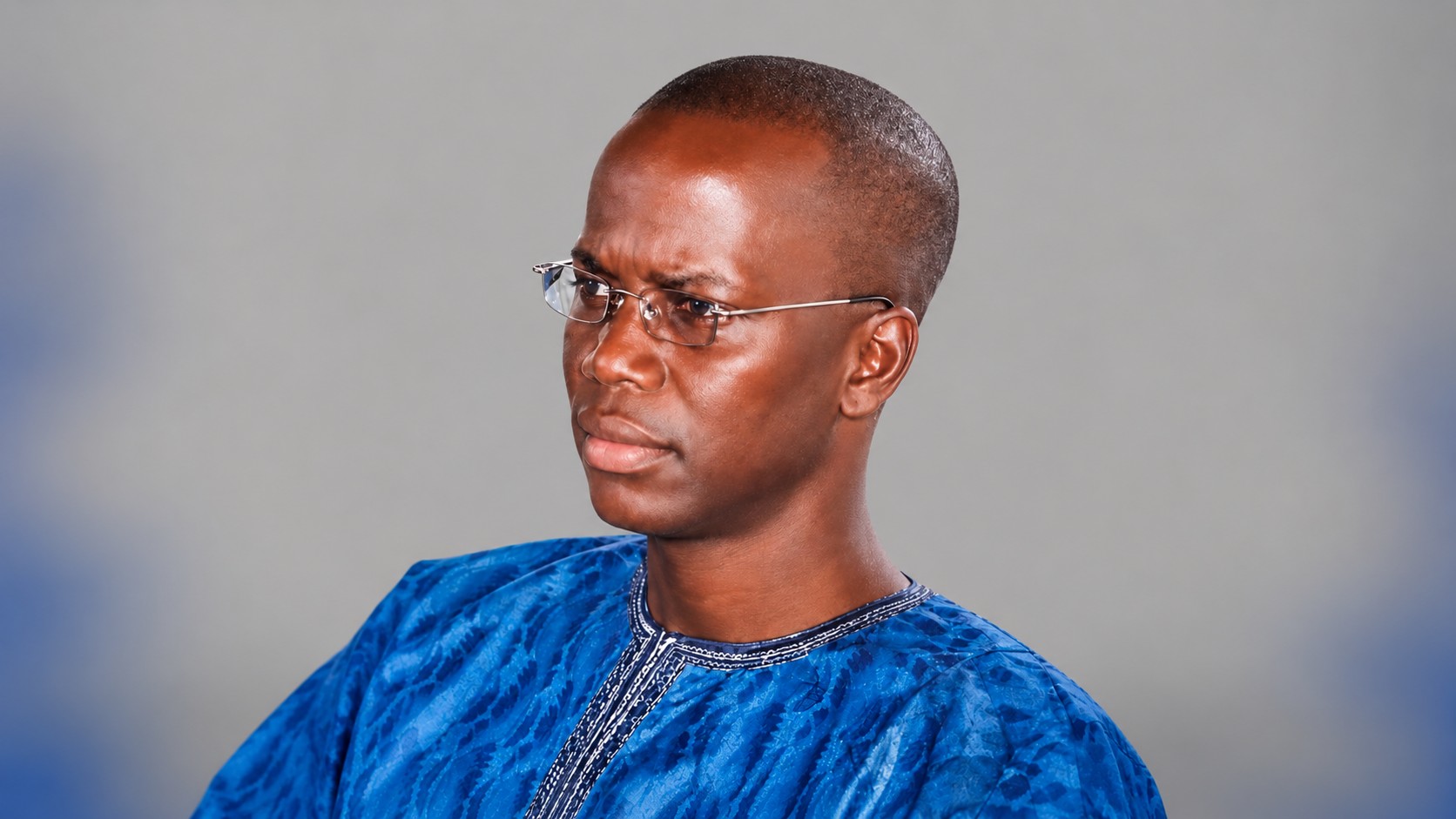
PROGRESS Movement leader Amadou Jaiteh has launched a sharp critique of President Adama Barrow’s newly unveiled nine-point manifesto, arguing that it reflects the failures of an administration that has been in office since 2017 rather than offering a credible vision for the country’s future.
President Barrow recently presented the manifesto as a blueprint for national development, highlighting priorities such as governance, security, education, healthcare, agriculture, infrastructure, youth empowerment, digital transformation, and environmental protection.
However, Jaiteh said the document raises a fundamental question: why is a president seeking another mandate still promising to address challenges that have persisted throughout his tenure?
“After almost ten years in power, Gambians must ask why a sitting president is still promising the basic functions of governance as though he is seeking office for the first time,” Jaiteh said. “When an incumbent campaigns on fixing problems he has had nearly a decade to address, that manifesto becomes an admission of failure rather than a vision for the future.”
According to Jaiteh, many of the manifesto’s key pledges are issues that should have been substantially addressed during Barrow’s first and second terms.
He pointed to governance and public service delivery as examples, arguing that the continued emphasis on good governance highlights unfinished reforms in accountability, constitutional change, and institutional strengthening.
Jaiteh also questioned the inclusion of security, justice, and the rule of law among the administration’s flagship commitments, noting that these were central promises of the democratic transition that brought Barrow to power following the end of former President Yahya Jammeh’s 22-year rule.
A major concern raised by the PROGRESS leader was the government’s failure to deliver constitutional reform, including the introduction of presidential term limits.
“The promise of constitutional reform was central to the New Gambia project, yet nearly ten years later, the country still operates under the 1997 Constitution,” Jaiteh said.
He further criticised the government’s record in education, healthcare, agriculture, and youth employment, arguing that persistent challenges in these sectors undermine claims of meaningful progress.
On healthcare, Jaiteh cited continuing concerns over access to medicines, service delivery, and health infrastructure. In agriculture, he questioned why The Gambia remains heavily dependent on food imports despite its vast agricultural potential.
He also challenged the government’s narrative on infrastructure development, arguing that national progress should be measured not only by roads and construction projects but also by the quality and accessibility of essential public services.
While acknowledging the importance of youth empowerment, women’s empowerment, ICT development, sports, and environmental protection, Jaiteh maintained that these sectors remain underdeveloped despite years of government commitments and policy promises.
According to him, the manifesto reflects a broader pattern in which the government seeks renewed public trust without fully accounting for unfulfilled promises and unmet expectations.
“No president should be allowed to campaign against his own record. Ten years is sufficient time to demonstrate priorities, capacity, discipline, and commitment to national development,” he said.
Jaiteh called for a new model of leadership centred on accountability, institutional reform, anti-corruption measures, improved public service delivery, and people-centred governance.
He argued that Gambians deserve leadership capable of delivering measurable results rather than repeating longstanding promises.
“Barrow’s nine-point manifesto may have been intended to inspire confidence. But for many Gambians, it raises a different question: why are the same problems still at the centre of the national conversation after nearly a decade in office?” Jaiteh concluded.