

 11
11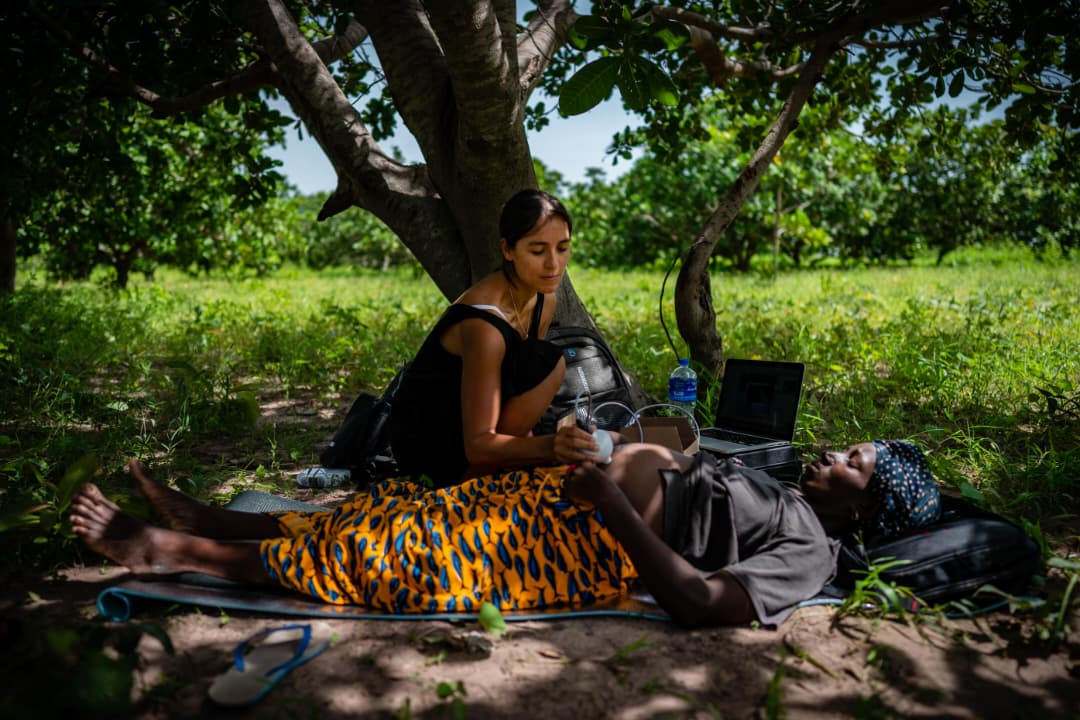
By Hadram Hydara
A major new study has found that environmental heat exposure places significant strain on both pregnant women and their unborn babies, raising concerns about maternal and child health as global temperatures rise.
The systematic review and meta‑analysis, published in The Lancet Planetary Health, analysed data from 27 studies involving more than 201,000 women across diverse climates between 1961 and 2024. Researchers found consistent evidence that heat exposure increases maternal heart rate, core body temperature, and skin temperature, while also elevating fetal heart rate — a response described as maternal heat strain.
The study revealed that women with hypertensive disorders, particularly pre‑eclampsia, are more vulnerable, with higher risks of impaired blood flow between the uterus and placenta and signs of fetal distress.
Dr Ana Bonell, Assistant Professor at MRC Unit The Gambia at LSHTM, said: “This review confirms heat exposure puts strain on both mothers and their unborn children. However, it also highlights the huge gaps in our understanding of other potential pathways that may be involved, such as inflammation, hormone changes, and others. There is a clear need to understand this better, in order to identify those women most at risk and to give evidence‑based advice on how to avoid the complications we know occur when pregnant women are exposed to these high temperatures.”
While immediate physiological effects are clear, researchers say longer‑term consequences — including chronic inflammation, oxidative stress, and placental dysfunction — remain underexplored. The findings align with the Developmental Origins of Health and Disease theory, which suggests environmental exposures during pregnancy can shape long‑term health outcomes for future generations.
Most of the studies reviewed were conducted in high‑income countries, leaving critical gaps in evidence from low‑ and middle‑income regions such as The Gambia, where heat exposure is more intense, and health systems face greater challenges.
The researchers stressed that many heat‑related risks are preventable but warned that inequalities in healthcare and resources deepen global disparities. They called for standardised approaches to measuring heat exposure, improved reporting of biological outcomes, and long‑term research to understand repeated or prolonged impacts.
The study, supported by the Wellcome Trust, concludes that closing these knowledge gaps will be essential to safeguarding maternal and child health as climate change accelerates.