
 11
11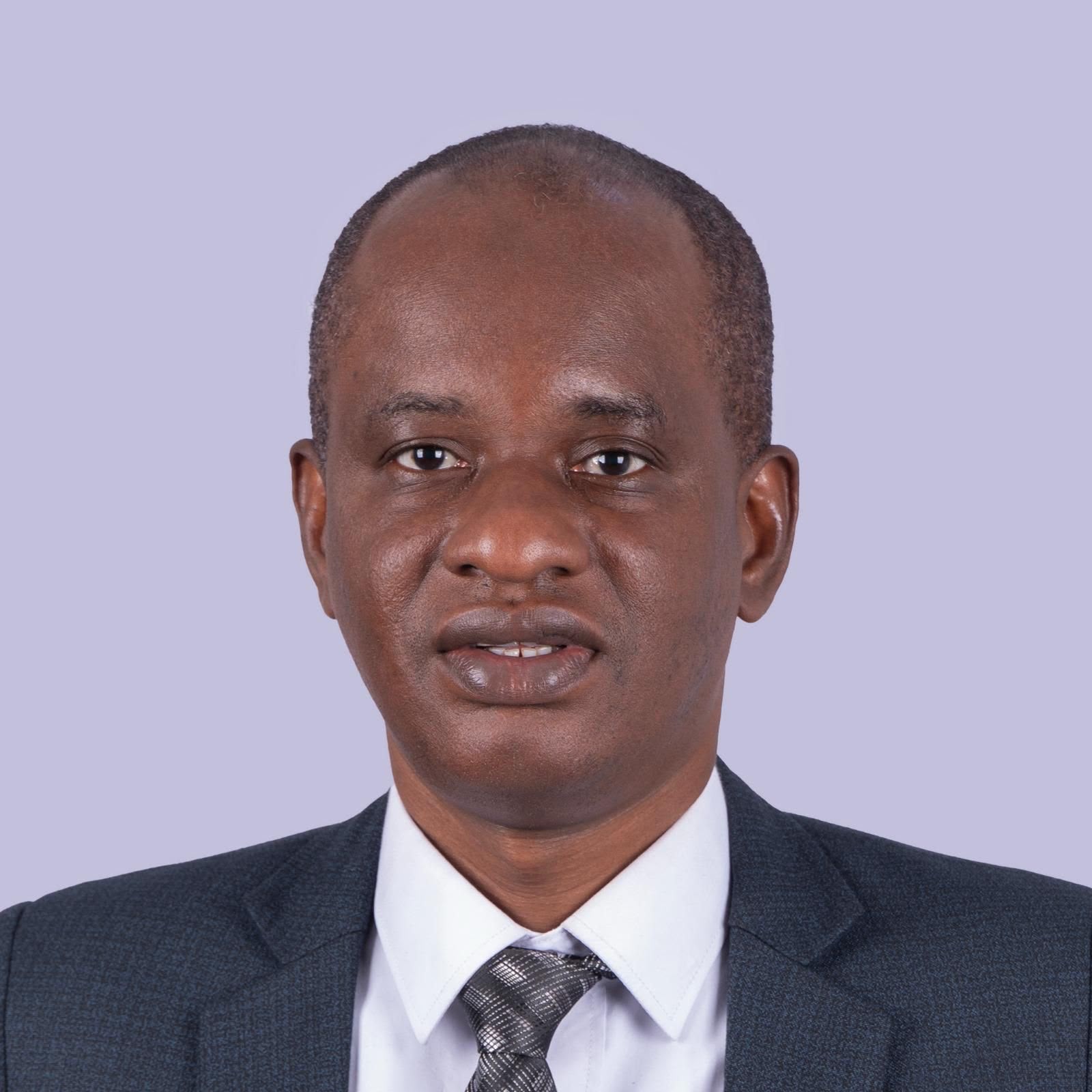
OPINION
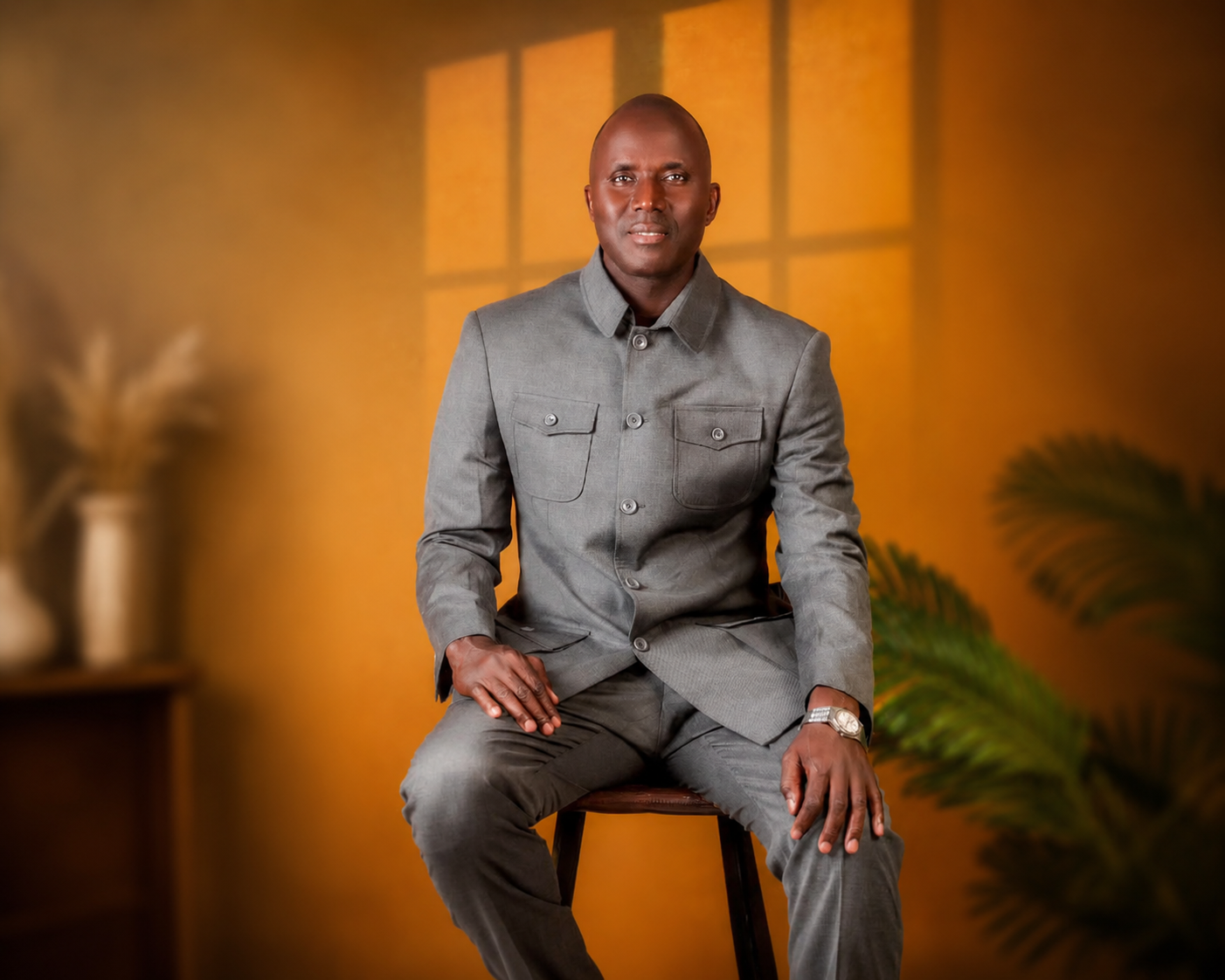
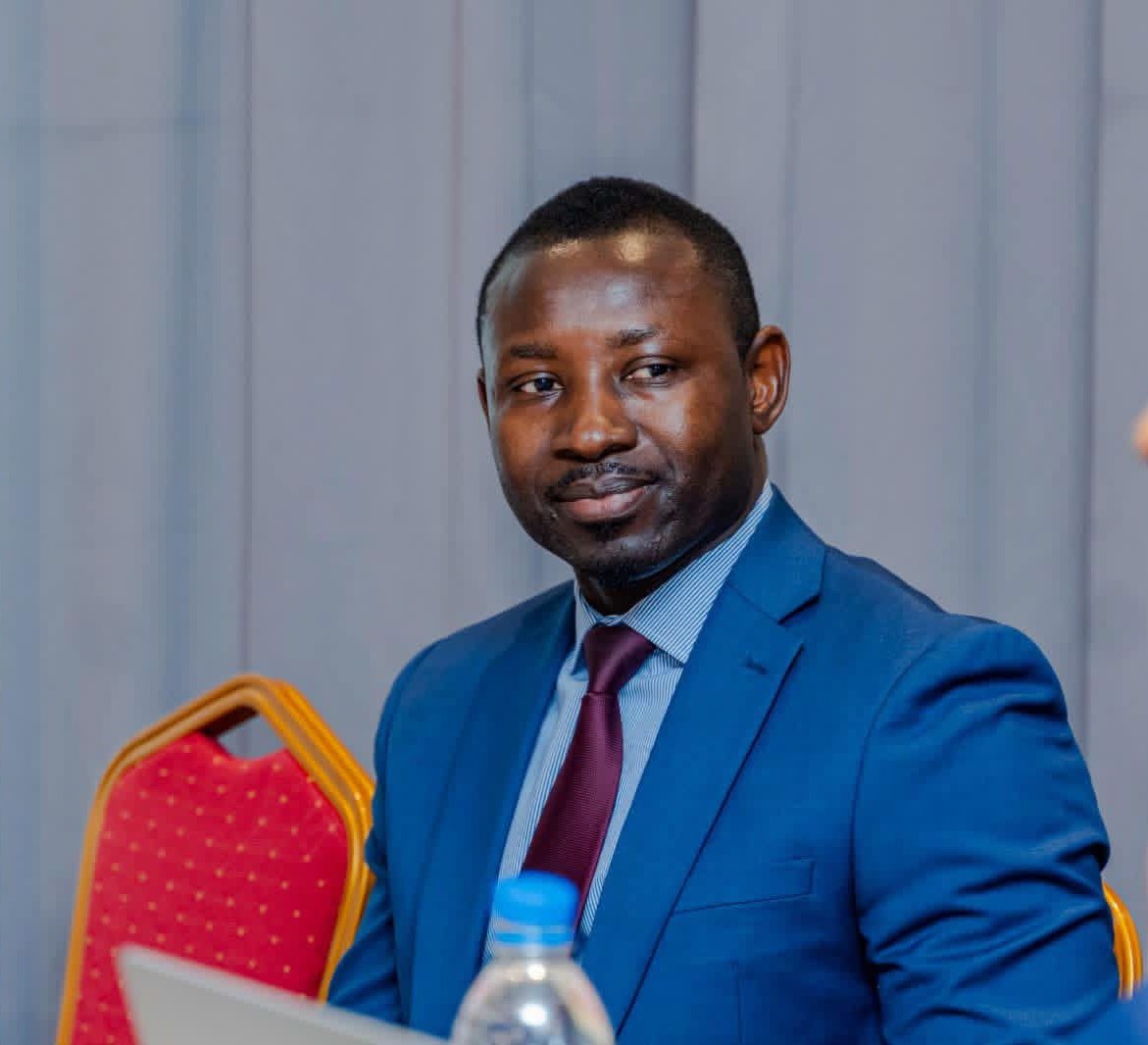
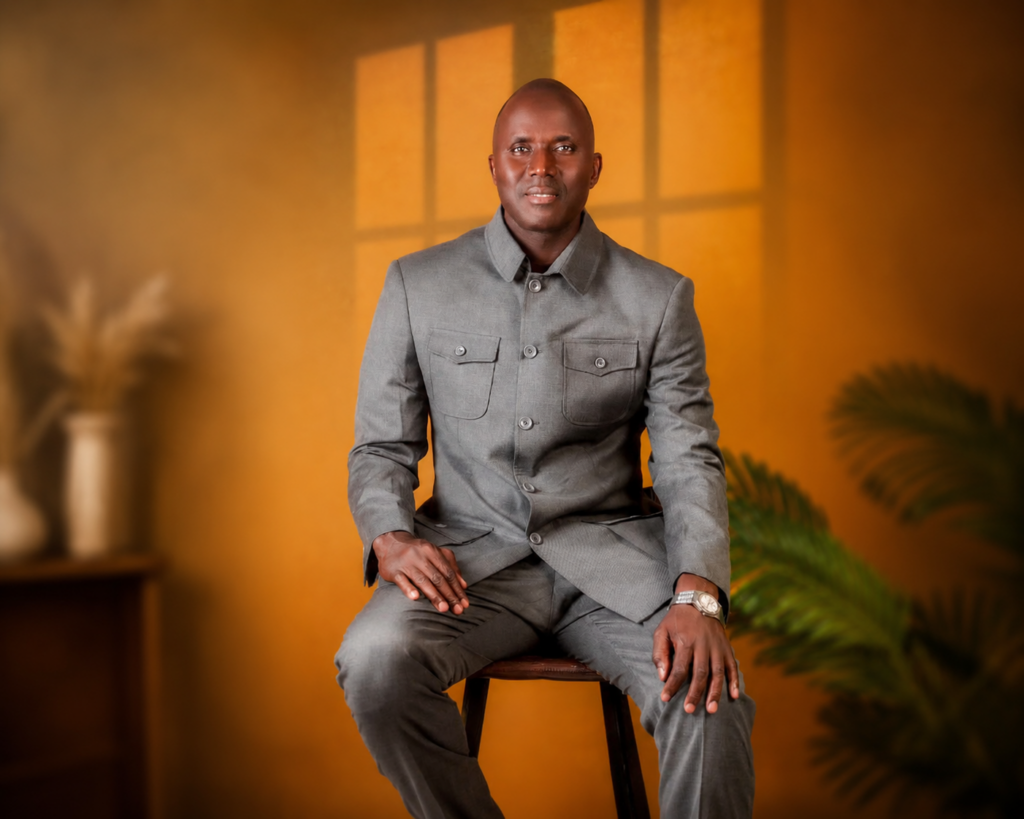
By Dr Barra Touray, Cybersecurity lecturer
The Gambia stands at a defining political moment. With the 2026 presidential election just
months away, the country faces a familiar yet urgent dilemma. A fractured opposition
threatens to hand President Adama Barrow a third term that many argue he neither
deserves nor was ever meant to seek. When Barrow swept to power in the historic 2016
election, he did so on the back of a solemn promise: he would serve no more than three
years as a transitional president before stepping aside. That promise, along with a
commitment to a two-term limit, inspired a nation desperate for change after 22 years under
the iron grip of President Yahya Jammeh. Nearly a decade later, that promise lies in ruins.
Barrow is now seeking a third term, a move critics say mirrors the very political culture of
impunity that his election was supposed to end.
The broken promise alone would be damning enough. But it is the state of the Gambian
economy that has truly galvanised public frustration. The cost of basic necessities such as
food, fuel, and rent has soared, driven by what many describe as rampant corruption and
chronic mismanagement within the government. Ordinary Gambians are bearing the brunt of
an administration that has failed to deliver on its foundational commitments. Perhaps the
most heartbreaking symptom of this governance failure is the continued exodus of young
Gambians across the deadly “backway,” the perilous sea route to Europe. Week after week,
men, women, and children risk their lives crossing the Mediterranean in overcrowded
vessels, many perishing before they ever see European shores. This tragic migration is not
driven by adventure. It is driven by despair, a direct consequence of poor leadership and a
lack of economic opportunity at home.
Despite the scale of public discontent, the opposition remains dangerously fragmented. With
the election fast approaching, there is still no formal coalition in place, only a tangle of
competing groups, overlapping agendas, and preliminary discussions that have yet to
produce concrete results. At least four coalition-forming bodies are operating domestically:
the People Alliance for Change (PAC), APEX, Team Gambia and the ADD-led Coalition, with
a fifth, the Coalition for System Change (CSC), based in the diaspora. Meanwhile, of the 22
officially registered political parties, roughly seven are aligned with the ruling NPP
government. The remaining 14 parties, alongside various political movements and
independent candidates, represent the pool from which a viable opposition coalition must be
built. Among the most influential of these are the UDP, GDC, PDOIS, UMC, Sobeyaa APP,
PPP, and GAF. Political analysts broadly agree that uniting all 14 opposition parties would be
the ideal scenario, but at minimum, these seven key parties and movements must come
together if there is any realistic hope of defeating Barrow at the polls.
The fundamental contradiction of the current situation is glaring. How can five divided
coalition-forming bodies successfully unite 14 political parties? The answer, quite simply, is
that they cannot. A body that cannot achieve internal cohesion has no credibility or capacity
to broker unity among others. If the coalition-building process is to succeed, these five
groups must first consolidate their own efforts, speak with one voice, and present a unified
front before approaching the wider opposition. Every day spent in internal bickering is a day
gifted to the NPP.
Fortunately, Gambians need not look far for a proven model of successful coalition-building.
The 2016 coalition that ousted Jammeh, one of Africa’s most entrenched autocrats, stands
as a landmark achievement in democratic mobilisation. It was built through the collective
efforts of key figures including Fatoumatta Tabajang Jallow, Halifa Sallah, Hon. Sidia Jatta,
Dr. Fatoumata Touray, OJ Jallow, Dembo Byforce, and a committed diaspora community.
Crucially, the majority of these individuals are still alive. Their experience, networks, and
credibility remain available to the opposition, and there is no need to start from scratch. Just
as Hon. Halifa Sallah wisely advised that the 2020 constitutional reform process should have
built upon the existing 1997 constitution rather than drafting an entirely new document,
advice that went unheeded, resulting in over D116 million Dalasis spent on a draft
constitution that remains unused to this day, the same principle applies here. Take the 2016
coalition framework, acknowledge its shortcomings, refine it, and build something stronger.
There is no wisdom in reinventing the wheel.
The stakes could not be higher. If the opposition fails to consolidate, the likely outcome is not
a competitive race. It is a splintered field of multiple competing coalitions, each drawing
votes away from the others, and collectively delivering victory to the NPP by default. The
Gambia’s democratic future, its economic recovery, and the lives of thousands of young
people who might otherwise be forced onto dangerous boats across the sea all hang in the
balance. The 2026 election will not wait for the opposition to get its house in order, and
history has shown, most painfully in West Africa, that the cost of political disunity is always
borne by the ordinary citizen. The question is whether Gambia’s opposition leaders love their
country more than they love their own political ambitions. History is watching. The people are
watching. And they deserve far better.
This article is written by Dr Barra Touray Cybersecurity lecturer with a sincere stake in the democratic development and prosperity of The Gambia.
The views expressed in this article are the author’s own and do not necessarily reflect The Fatu Network’s editorial stance.