
 11
11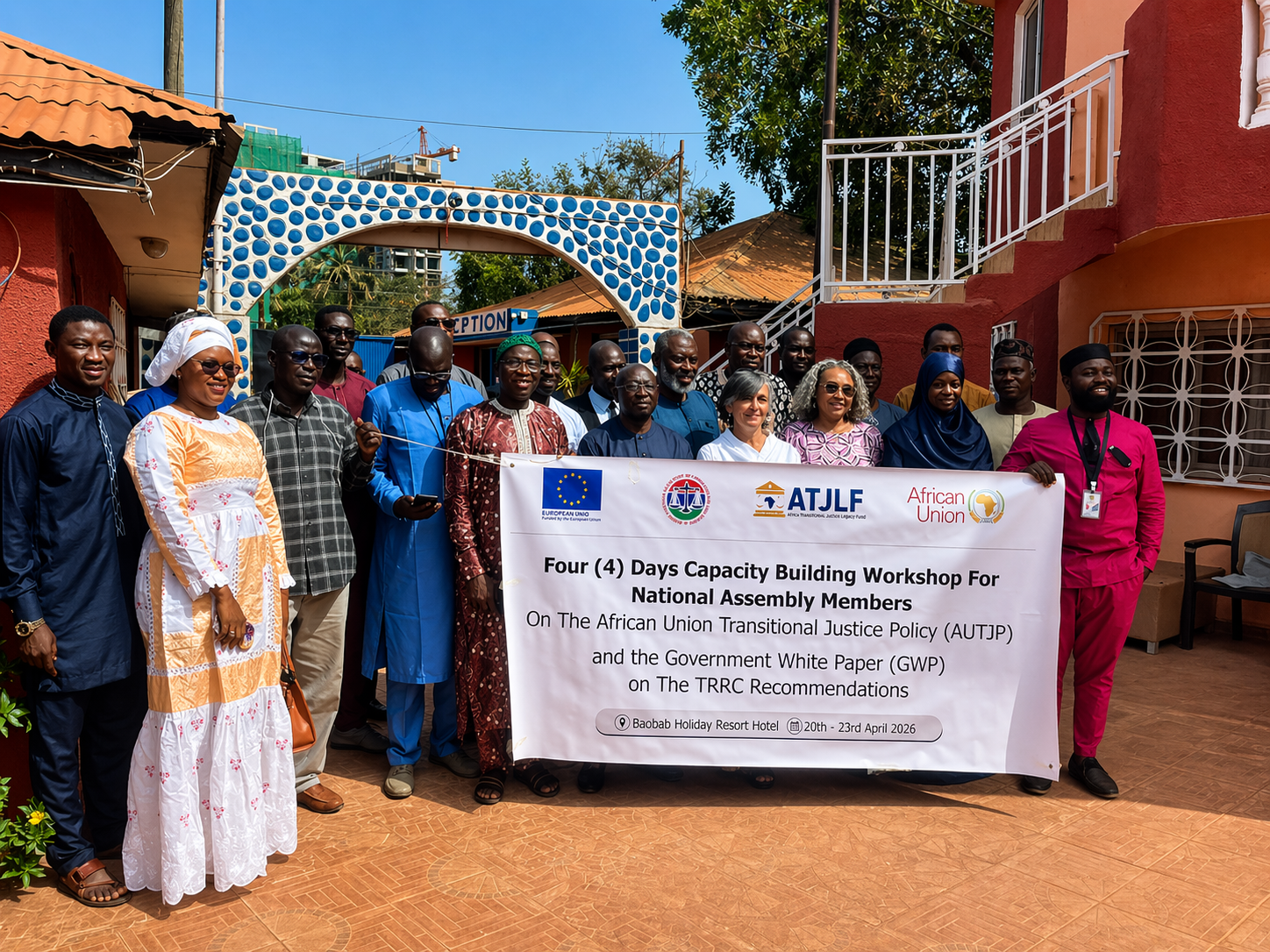
Written by: Dawda Baldeh
A strong call for justice and accountability set the tone at the opening of a major transitional justice workshop this week, as officials, civil society leaders, and international partners warned that delays in implementing reforms are prolonging the suffering of victims.
Speaking at the opening ceremony, Muhammed Sandeng, Chairman of the Board of Directors at the Victims’ Centre, said justice must move beyond promises and into action.
“Victims of past human rights violations continue to live with physical, psychological, and socio-economic consequences,” he said. “They are still waiting for justice, for recognition, and for meaningful reparations.”
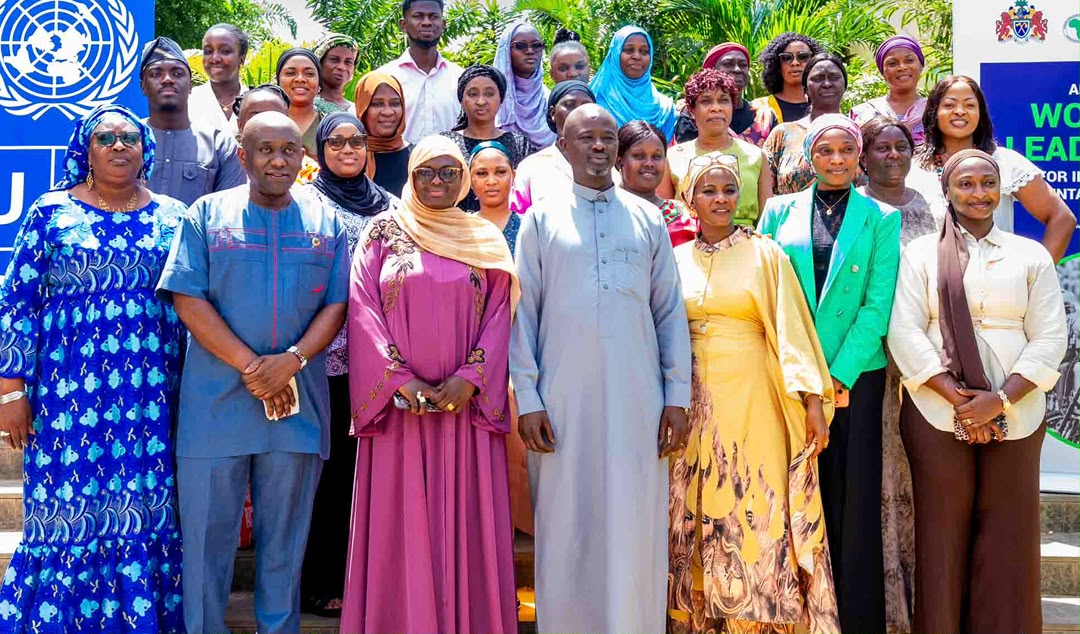
The four-day workshop has brought together members of the National Assembly, civil society organisations, and international partners to accelerate the implementation of recommendations from the Truth, Reconciliation and Reparations Commission (TRRC).
Mr Sandeng stressed that transitional justice is not an abstract concept but a lived reality for thousands.
“Transitional justice is not an abstract policy discussion,” one speaker told participants. “It is a daily reality marked by unmet expectations and prolonged suffering.”
Since 2017, organisations working with victims have documented widespread human rights abuses and provided support, including medical care, education, and psychosocial services. However, many say these efforts fall short without full government action.
A central theme of the workshop was the urgent need for reparations for victims and their families, with speakers stressing that such measures are not optional.
“Reparations are not acts of charity,” a civil society representative said. “They are a legal and moral obligation of the state, and a cornerstone of justice.”
Participants called for increased budget allocations and faster delivery of compensation and support services, warning that continued delays risk eroding public trust.
Buba E.M. Jatta, Deputy Clerk of the National Assembly, stressed the importance of lawmakers’ presence at the workshop, describing their role as central to ensuring justice for victims of the former regime.
He urged lawmakers to take a leading role in accountability and oversight.
“Your responsibility goes beyond legislation,” Jatta said. “You are custodians of the people’s will. Your actions must ensure that promises made to victims are translated into real change.”
The government’s White Paper on the TRRC recommendations was described as a “promise of justice”, but speakers cautioned that without swift implementation, that promise could ring hollow.
The European Union Ambassador to The Gambia, Immaculada Roca Cortes, reaffirmed the bloc’s support for the process.
“The real test lies in implementation,” she said. “Turning recommendations into real change for people’s lives, that is what matters now.”
She also highlighted the importance of accountability, institutional reform, and victim-centred approaches in building lasting peace.
As discussions continue, participants stressed that the stakes go far beyond policy.
“Let us ensure that victims are not forgotten,” said Yadicon Njie Eribo, Chairperson of the TANGO. “And that the promise of ‘never again’ becomes a reality.”
The workshop is expected to produce concrete strategies to fast-track implementation, strengthen oversight, and ensure that justice is finally delivered to those who have waited years. For many victims, however, the message remains clear and urgent: “We cannot wait any longer.”