
 11
11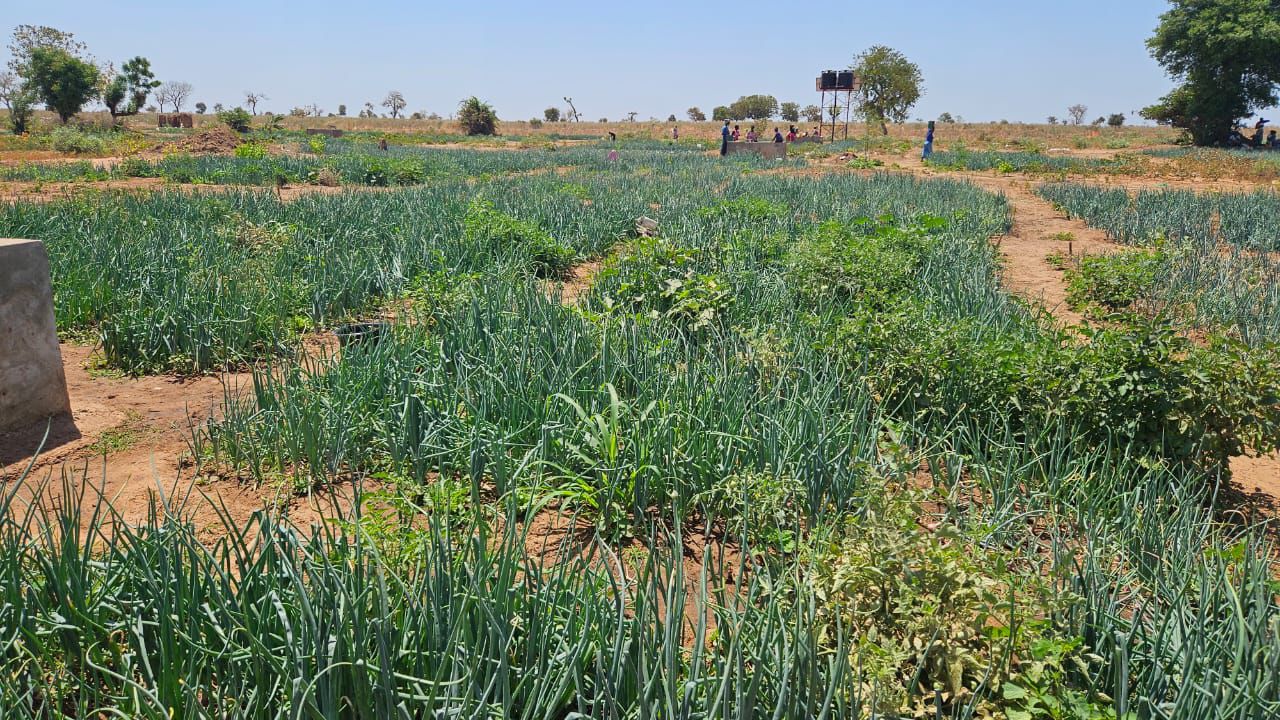
Written by: Alieu Jallow
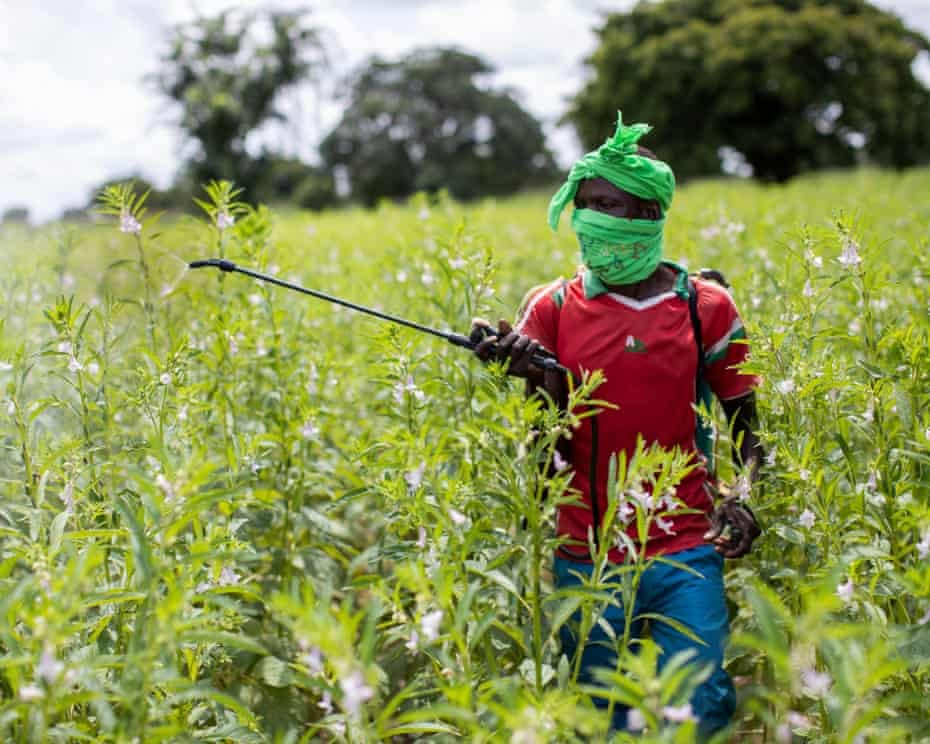
Rural women across The Gambia have long faced challenges that limit their economic independence and social well-being. Unreliable water supply, poor farming infrastructure, pest infestations, and animal intrusion have consistently reduced productivity and deepened household vulnerability. With few income-generating opportunities, many have struggled to support their families and meet basic needs.
That reality is now shifting, as community gardens begin to offer a pathway to financial stability, food self-sufficiency, and stronger social inclusion.
In Toroba, in the North Bank Region, women gardeners are anticipating a bumper onion harvest, a development they say will significantly improve their living conditions and strengthen their economic resilience.
Mairam Bah, a local farmer, recalled the difficulties they previously faced. Persistent challenges such as animal invasion, pest infestation, and inadequate water supply made gardening both stressful and unproductive, she explained.
Their situation has improved following the intervention of ActionAid International The Gambia through its SAPOF Project, Strengthening CSO Support and Advocacy for Sustainable Production and Use of Organic Fertilizer in The Gambia, an EU-funded initiative promoting climate-friendly agriculture, sustainable livelihoods, and women’s economic empowerment. The project supported the construction of a secure garden and the installation of a reliable water system with 15 reservoirs.
“The garden has been so helpful because since the start of Ramadan, my family and I have not bought salad at all. I look forward to a bumper onion harvest which will boost my economic status and help me solve some of my problems,” she said.
Fatim Chune, another gardener, is equally optimistic. Her onion beds are thriving, with a harvest expected soon. She said the proceeds will complement her husband’s contribution to household feeding and strengthen her ability to cater for her children’s needs.
“I will soon harvest my onions, and I am hopeful that I will be able to address many household needs, including feeding my family and meeting other social responsibilities,” she explained.
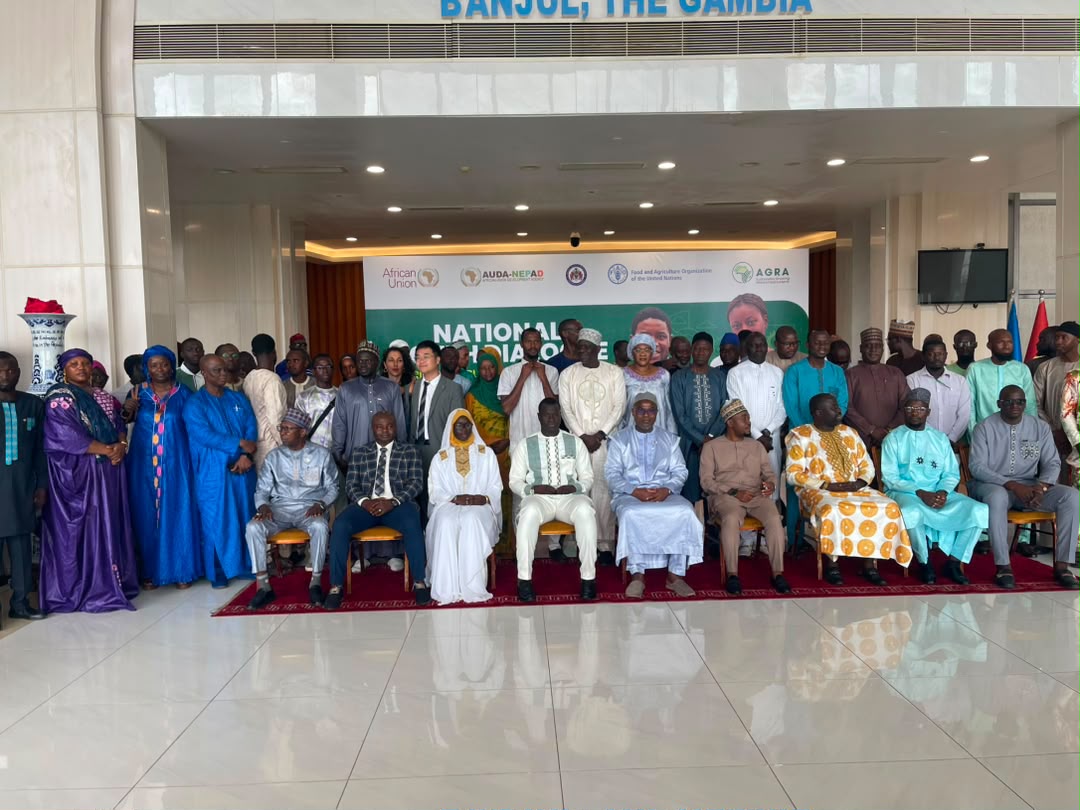
Beyond production, capacity building is also strengthening these gains. In Panchang, Abdou Mbye is among 30 gardeners participating in a three-day training on garden management organised by ActionAid International The Gambia under the SAPOF Project. The training focuses on governance, accountability, and inclusive participation, particularly for women and youth.
Mbye said he plans to organise step-down training sessions for fellow gardeners, especially women, to help sustain the initiative.
“The knowledge I gain here, I will share with my fellow gardeners, particularly women, so that we can collectively manage and sustain our garden,” he said.
The intervention marks a step toward building more resilient rural communities. By improving access to resources, strengthening skills, and creating income opportunities, these gardens are boosting agricultural productivity while enabling women to take greater control of their economic and social lives.