
 11
By Dawda Baldeh
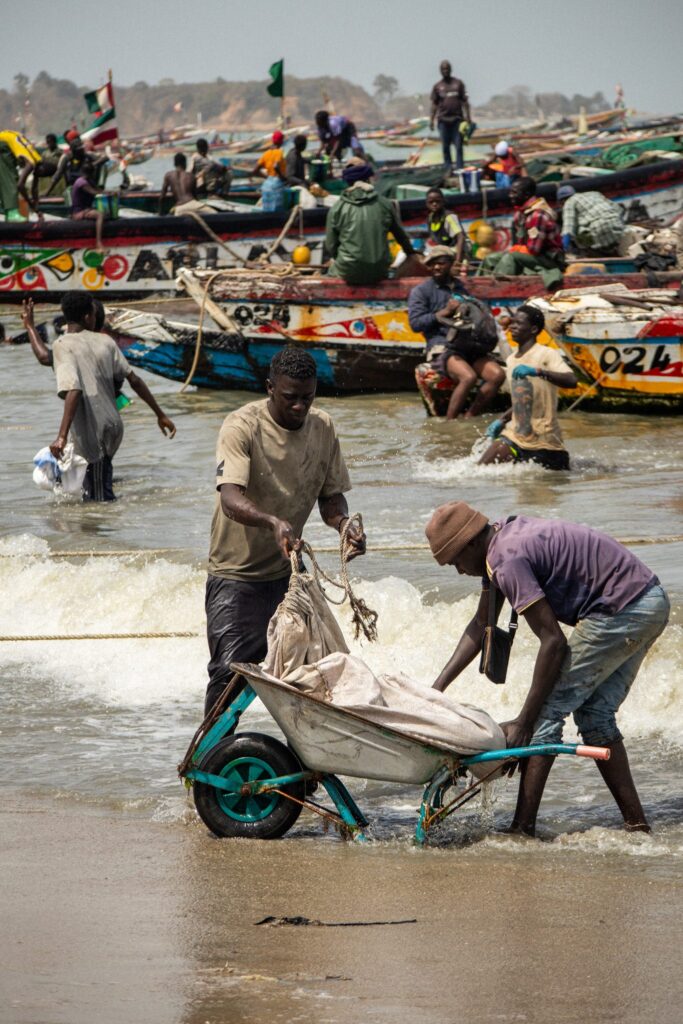
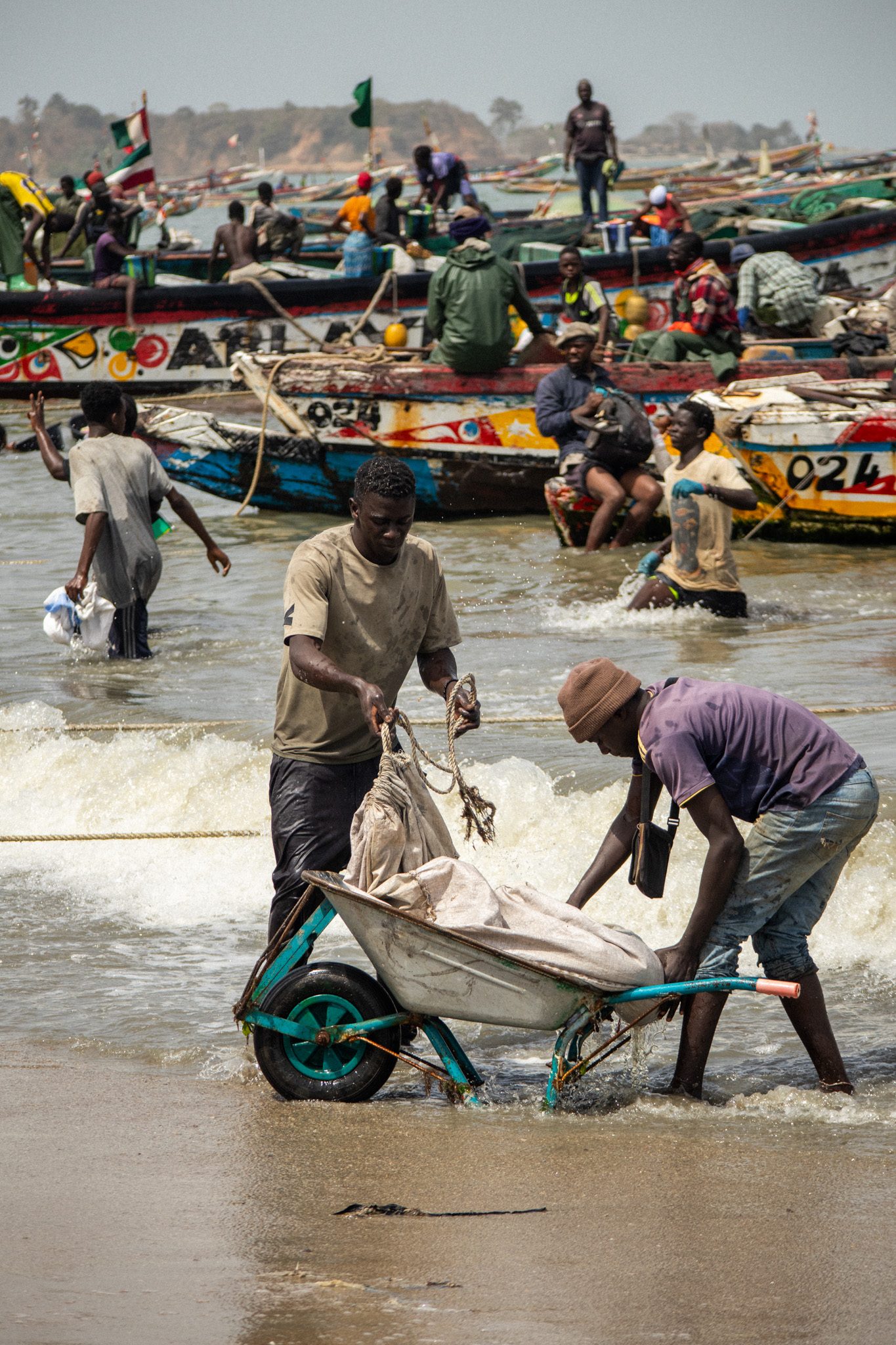
Fishermen and fish vendors have called for urgent government action to tackle illegal fishing, alleged corruption and declining fish stocks, warning that continued inaction threatens livelihoods and the future of The Gambia’s fishing industry.
Speaking during discussions on a proposed fisheries protection charter ahead of the December 2026 presidential election, stakeholders demanded stronger enforcement of existing laws, greater transparency and more involvement of fishing communities, particularly women, in decisions affecting the sector.
Dawda Foday Saine warned that illegal fishing poses a threat to the entire industry, regardless of where it takes place.
“Illegal fishing anywhere is a threat to legal fishing everywhere,” he said, calling for stricter enforcement to prevent destructive fishing practices.
“We have good laws, but they are not enforced. If we don’t enforce the laws, our attitudes will not change. We cannot develop if we don’t take the law seriously,” he added.
Veteran fisherman Eliman Sarr, who said he began fishing in 1968, expressed frustration over the deteriorating state of the industry, arguing that fishermen themselves must also accept some responsibility.
“We, the fishermen, should feel sorry for ourselves. It’s like we caused the sickness and the government came and did the killing,” he said.
Sarr accused fishmeal factories of contributing to the depletion of fish stocks through the capture of juvenile fish. He also alleged that authorities prioritise consultations with fishmeal operators over local fishing communities when making important decisions.
“When they are taking decisions, they first notify the fishmeal factories. They don’t tell us,” he alleged.
Fish vendor Fatou Manneh criticised what she described as years of government inaction over corruption, illegal fishing and other problems affecting the industry.
“For years, we have been saying the same thing, and nothing has changed. We have to have a clear direction,” she said.
“The sea is ours, and no other person owns it. We have to protect our sea,” she added, warning that excluding women from decision-making would undermine efforts to reform the sector.
The question of women’s participation was also raised by Fatou A. Jeng of the Gambia Environmental Alliance, who sought clarification on whether the proposed charter would guarantee women’s representation in decision-making and what consequences political parties would face if they failed to honour their commitments.
Meanwhile, fisherman Samsidi Colley urged fishing communities to use the upcoming election to demand concrete commitments from political leaders.
“Tell them your challenges. Don’t vote for them if they don’t want to help address your problems,” he said.
Colley also highlighted the financial struggles of women working in the fishing industry, saying many spend years earning a living without building savings or gaining access to formal banking services.
“Women are working day and night at the river, but many don’t have bank accounts. They will work until they retire without having anything. All they get is from hand to mouth,” he said.
The discussions ended with calls for greater unity among fishing communities, enforceable commitments from political leaders and urgent reforms to protect marine resources and the livelihoods of those who depend on them.