
 11
By Hadram Hydara
The Gambia’s Ministry of Health and the MRC Unit The Gambia at the London School of Hygiene & Tropical Medicine (MRCG) have been awarded the 2026 Edinburgh Prize for Global Health Impact in recognition of research that helped establish insecticide-treated bed nets as a key weapon in the fight against malaria.
According to a statement on Monday, the award recognises research that contributed to a landmark 1991 study published in The Lancet, which showed that insecticide-treated bed nets reduced deaths among children under five by 63% and malaria-specific mortality by 70%.
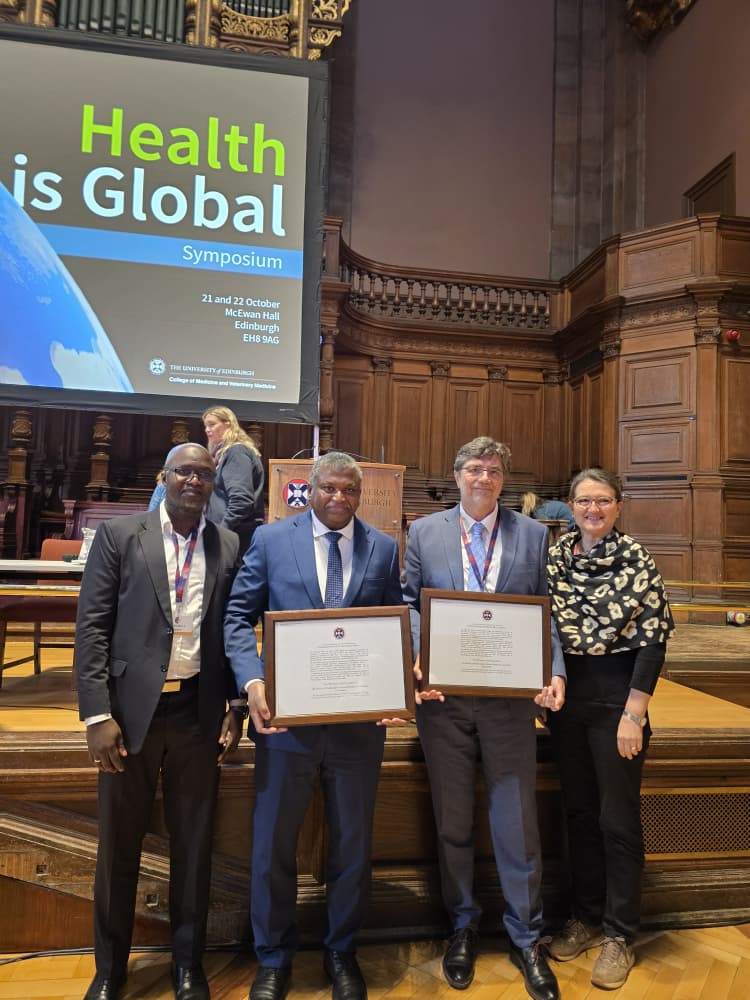
The award was received by Health Minister Dr Ahmadou Samateh and Professor Umberto D’Alessandro, Theme Lead for Disease Control and Elimination at MRCG.
Describing the recognition as a milestone for the country, Dr Samateh said: “This award is a proud moment for The Gambia and proof of what can be achieved when research is backed by strong partnerships.”
He added: “The evidence generated through research conducted in The Gambia has contributed to saving millions of lives in Africa and beyond.”
The statement also quoted MRCG Director Professor Ed Clarke as saying: “As a paediatrician, the impact of insecticide-treated bed nets on deaths in childhood demonstrated in these pioneering studies remains astonishing.”
Reflecting on the award, Professor D’Alessandro said: “It is an honour to receive the Edinburgh Prize for Global Health Impact on behalf of the MRC Unit The Gambia.”
He added that the recognition highlights the long-standing collaboration between MRCG and The Gambia’s health authorities in reducing the country’s malaria burden.
The Edinburgh Prize for Global Health Impact recognises research and partnerships that lead to major improvements in public health and influence global health policy.