
 11
By Dawda Baldeh
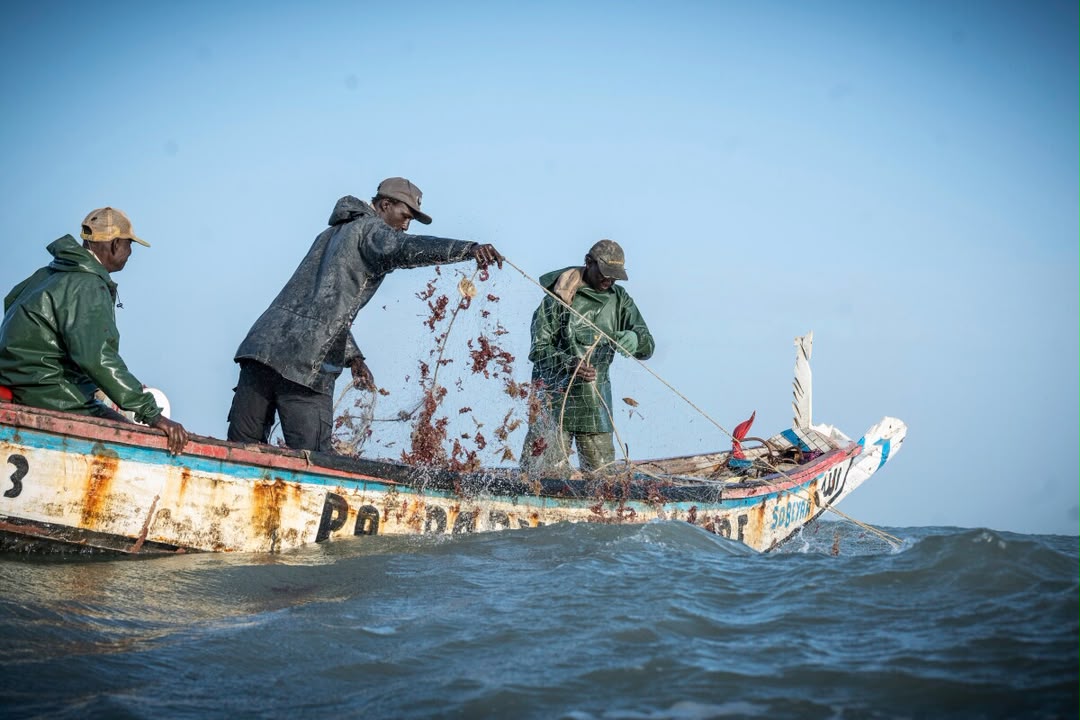
A coalition of fishermen and civil society groups is planning to ask all presidential candidates to sign a fisheries protection charter ahead of December’s election, in a bid to place the future of The Gambia’s fishing industry at the centre of the political debate.
The National Coalition for Sustainable Fisheries, established with support from Greenpeace Africa, says it will present the charter to candidates and seek commitments to implement its recommendations if elected. The initiative focuses on concerns including illegal fishing, declining fish stocks, industrial fishing activities, and threats to the livelihoods of coastal communities.
Coalition coordinator Dawda Foday Saine said the group intended to use the election campaign to secure concrete promises from aspiring leaders.
“We have implemented a charter. The coalition has reviewed it, and the idea is to submit it to all the presidential candidates and use the opportunity of the election to present these issues to them,” he said. “We have solutions as a community and civil society organisations. Once you are elected, please implement them because the ocean is for everyone, and protecting it will benefit everyone.”
Saine said the charter extends beyond the interests of fishermen, covering issues such as food security, nutrition, employment and community livelihoods. The coalition is also calling for a halt to new industrial fishing licences until the country establishes the true state of its fish stocks.
Mamadou Kaliy Bah, an ocean campaigner, questioned whether The Gambia had enough surplus fish resources to justify entering into further fishing agreements
“Do we have surplus fish as a country? This is the question. If you don’t have surplus, how do you enter into an agreement?” he asked.
The group is also advocating for closed fishing seasons and protected marine areas to allow depleted fish stocks to recover, saying illegal, unreported and unregulated fishing continues to pose a major threat to marine resources.
Fishmeal and fish oil factories, climate change and growing competition between industrial and small-scale fishermen were also identified as key challenges facing the sector.
Saine argued that the sector’s difficulties stem less from a lack of laws or scientific knowledge than from failures in implementation.
“We have the science, the structures, scientists, researchers, data and legislation. But the problem the sector is facing now is a human behaviour problem,” he said.
The coalition says it will establish a committee to present the charter to presidential candidates, document engagements and monitor any commitments made during the campaign.