
 11
11
Written by: Dawda Baldeh
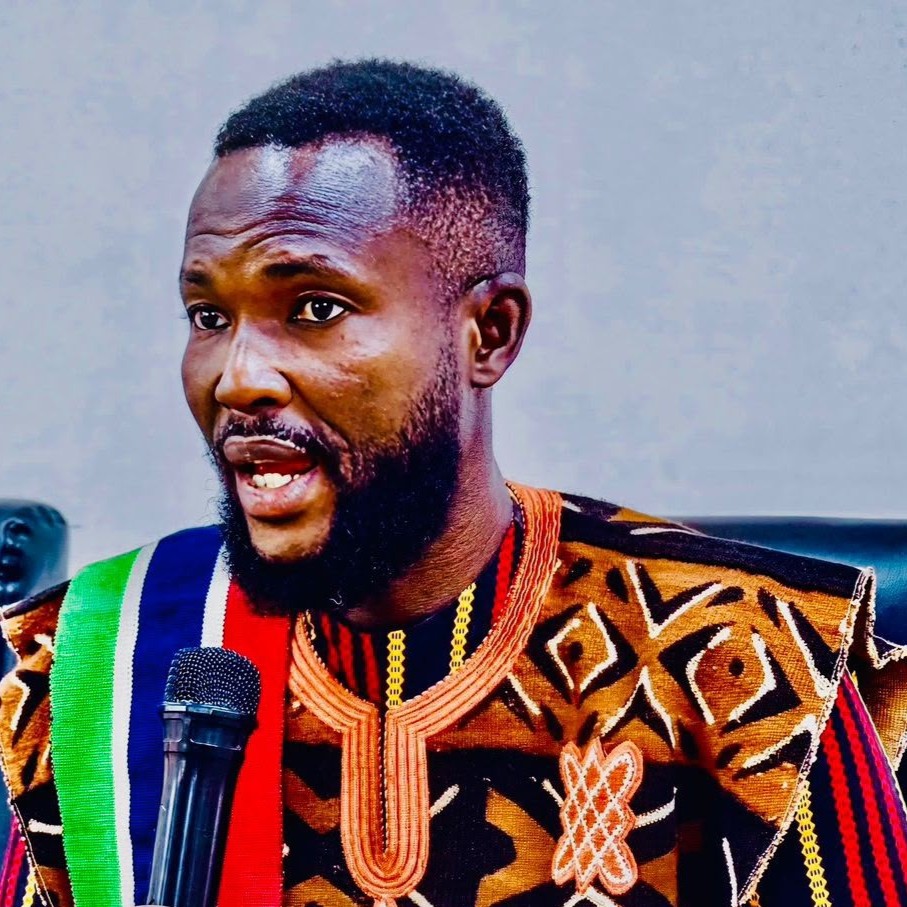
Gambian-born social media commentator Ebou Bah, widely known online as Sering Thiapathioly or Baba Jah, has called on African governments to “kick out” United States embassies and military bases from the continent, warning that hosting them could expose African nations to security risks if global tensions escalate.
In a widely circulated Facebook livestream, Bah, who holds both Gambian and U.S. citizenship, urged African citizens to pressure their leaders to remove American diplomatic missions and military installations. He argued that African countries should prioritise their own security and sovereignty at a time of rising geopolitical tensions.
Speaking in an urgent tone, Bah warned that conflicts involving major powers can quickly expand beyond their immediate regions. According to him, countries hosting U.S. diplomatic or military facilities could become vulnerable if international tensions intensify. “If your country hosts a U.S. embassy or a U.S. base and they are not issuing visas to your people, you must pressure your leaders to kick them out,” Bah said. “At a time when the world is becoming more unstable, African countries should think carefully about their security and sovereignty.”
Bah framed his remarks within the context of rising geopolitical tensions and the ongoing confrontation involving Israel and Iran. While acknowledging that information circulating online can sometimes be uncertain, he suggested the situation could broaden and affect countries far beyond the Middle East. “Nobody truly knows what will happen tomorrow, Iran is going after all the U.S. embassies and military bases,” he said. “When powerful nations confront each other, smaller countries must be careful not to become unintended targets.”
His comments also included criticism of Western foreign policy and the role of major powers in global conflicts. Bah argued that ordinary citizens often bear the consequences of decisions made by political leaders, both in the United States and elsewhere. Despite his criticism of U.S. foreign policy, he emphasised that he remains proud of his American citizenship and believes many Americans prefer diplomatic solutions to international disputes rather than military confrontation.
“This war has nothing to do with ordinary Americans,” he said, adding that global conflicts often place the burden on soldiers and civilians rather than political leaders. Bah also directed a message to the Iranian public, saying many Americans desire peace and do not wish to see further escalation.
Throughout the address, Bah repeatedly called on African nations to prioritise their own interests and security. He urged citizens across the continent to engage their leaders in discussions about national sovereignty, the potential risks of hosting foreign military facilities, and the long-term implications of foreign diplomatic and security partnerships. “Africa must protect its people and remain vigilant in times of global uncertainty,” he said. “Our leaders must always remember that their first responsibility is to their citizens.”
The livestream has circulated widely across social media platforms and prompted mixed reactions online. Supporters say his message reflects concerns about African sovereignty and foreign influence, while critics argue that some of his claims about global developments require careful verification. The discussion has renewed debate about Africa’s role in global politics and the continent’s relationship with major world powers as global tensions continue to evolve.