
 11
Written by: Dawda Baldeh
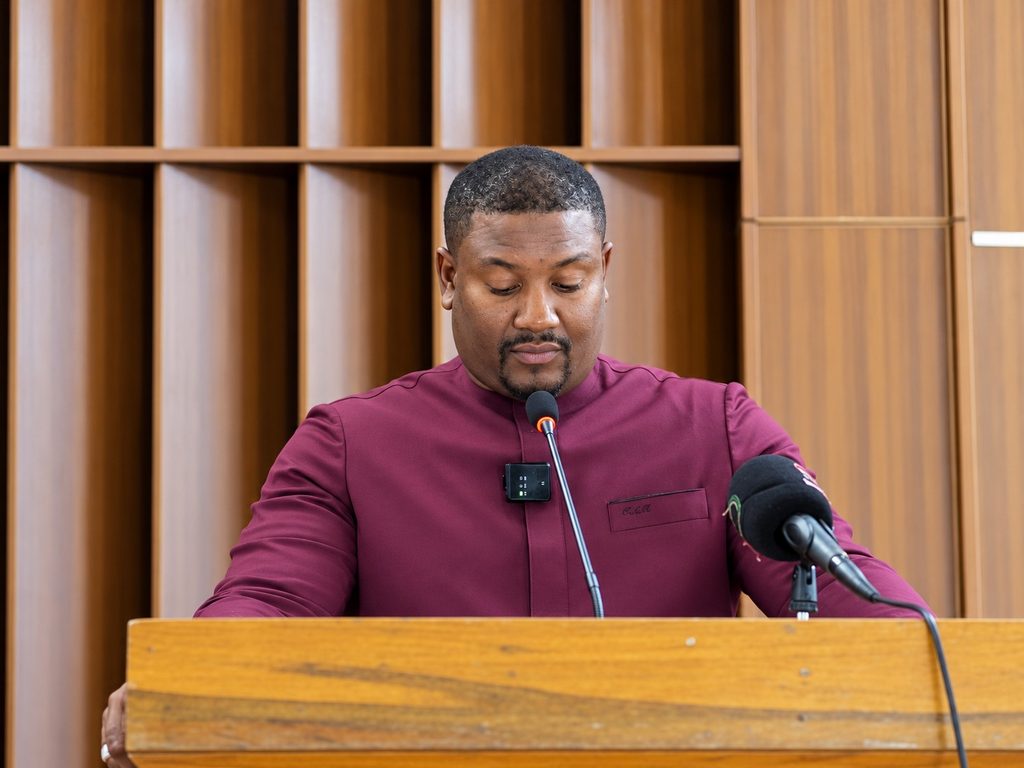
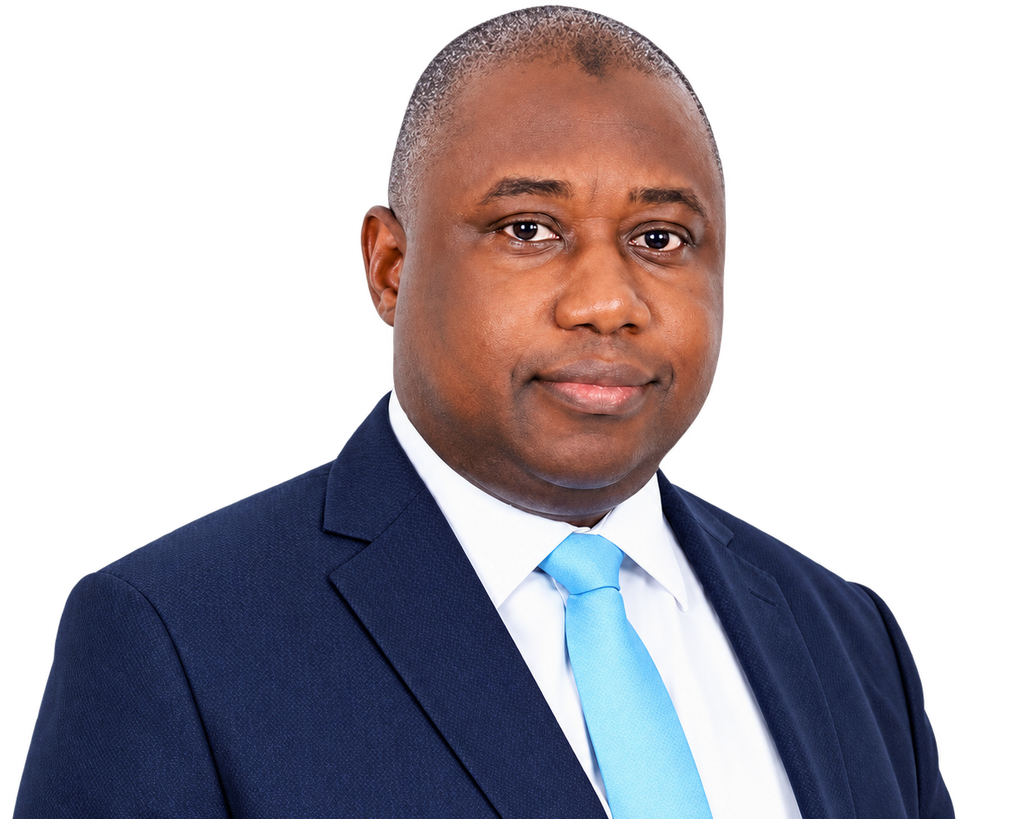
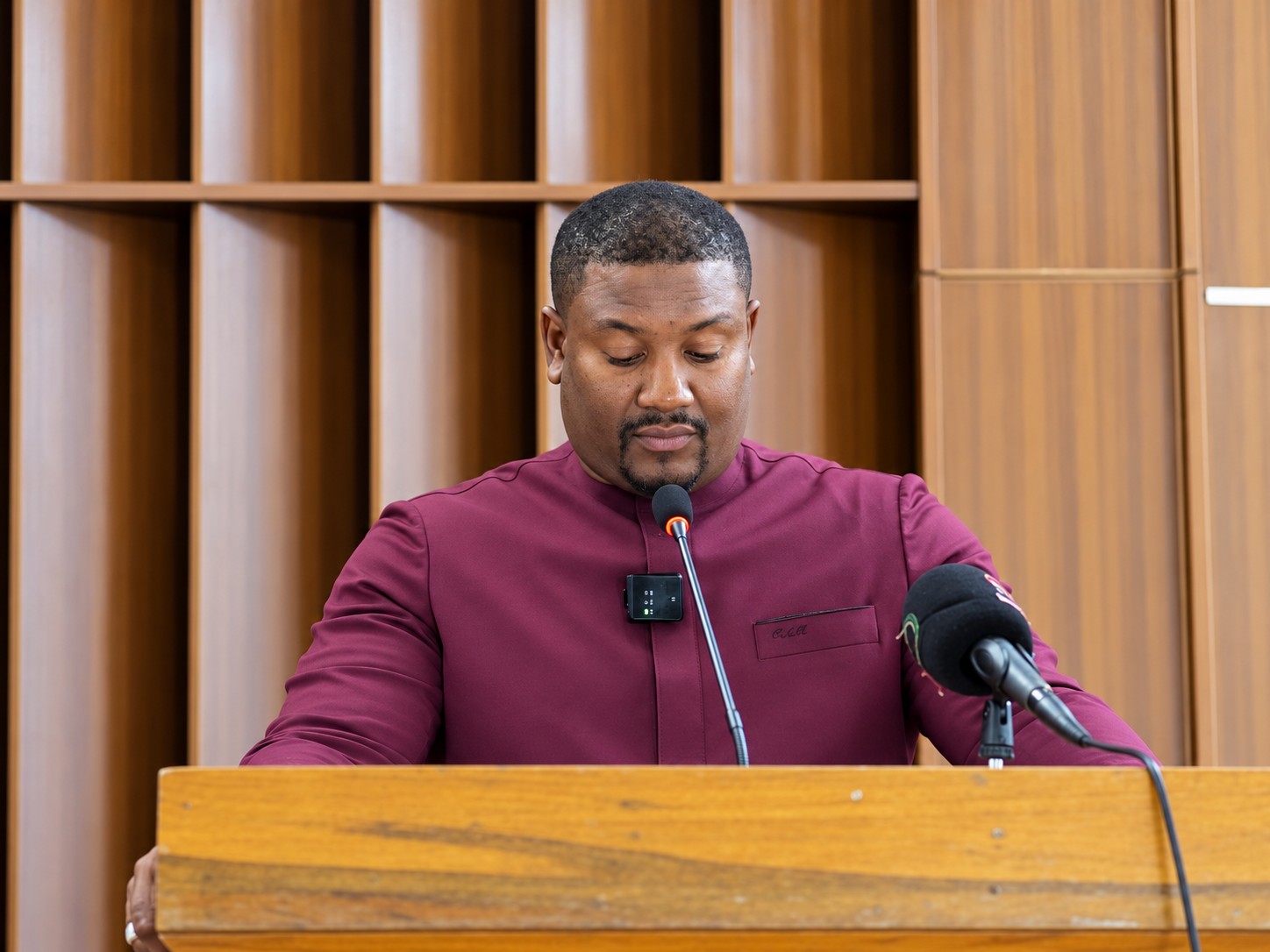
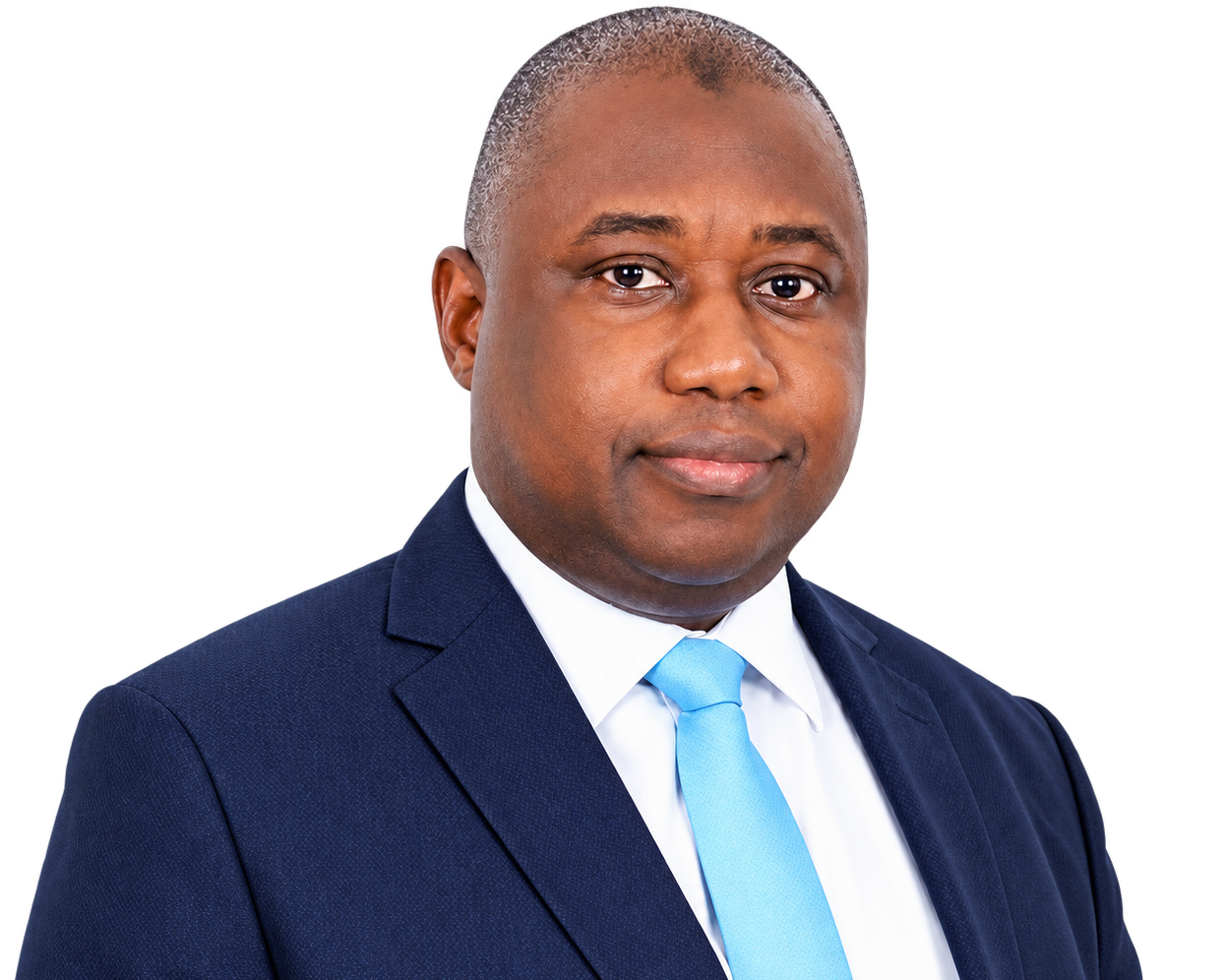
The Gambia’s Justice Minister, Dawda Jallow, has warned that selective or delayed cooperation with the International Criminal Court (ICC) undermines accountability and allows perpetrators of serious international crimes to escape justice.
“Cooperation that is selective, slow or conditional is, in practice, nothing but impunity by another name,” Jallow said during a high-level ICC regional seminar held in Sierra Leone from October 22nd to 23rd, 2026.
The seminar, themed “A Partnership in Fighting Impunity for the Gravest Crimes under International Law,” brought together ministers and ambassadors from nine African countries, including The Gambia, to discuss international justice and accountability.
Jallow attended alongside The Gambia’s Ambassador to Brussels, Pa Musa Jobarteh, who is also accredited to the ICC.
The meeting took place as the court faces growing challenges, including newly imposed sanctions and concerns about the uneven application of international justice.
Jallow stressed that states bear the primary responsibility for investigating and prosecuting international crimes, while the ICC intervenes when national authorities are unwilling or genuinely unable to act.
“The Court has no police, no prisons and no territory,” he said, emphasising its dependence on member states to facilitate arrests, protect witnesses and support prosecutions.
He also recalled The Gambia’s decision to withdraw from the ICC in October 2016 under former President Yahya Jammeh and its return in February 2017 following the country’s transition to democratic rule.
“States should remain members of the Court by conviction, not by habit,” he said.
Turning to The Gambia’s efforts to prosecute crimes committed under the former government, Jallow highlighted legislation establishing a Special Accountability Mechanism and a Special Prosecutor’s Office.
He also pointed to the approval of a hybrid Special Tribunal for The Gambia by the Economic Community of West African States (ECOWAS), followed by the appointment of its first Special Prosecutor in April 2026.
However, Jallow acknowledged that the tribunal still requires sustainable funding, while victims continue to await justice nearly a decade after Jammeh’s departure from power.
He called for more honest dialogue between African governments and the ICC, recognising concerns about the perceived unequal application of international justice while insisting that accountability must apply regardless of nationality or official position.
During the seminar, an ICC delegation led by the court’s Second Vice-President, Judge Reine Alapini-Gansou, also paid a courtesy visit to Sierra Leone’s President, Dr Julius Maada Bio, who reaffirmed his country’s support for the court.
“Let Freetown be remembered not for what we said about cooperation, but for what we resolved to do,” Jallow told participants.
The two-day seminar concluded with participating states renewing their commitments to strengthen cooperation with the ICC and support accountability for serious crimes under international law.