

 11
11
Written by: Seringe S.T. Touray
The Independent Electoral Commission (IEC) has rejected concerns raised by the United Democratic Party (UDP) over a 28,932 difference in voter registration figures, insisting there is no discrepancy while acknowledging that it should have responded to the opposition party’s formal requests for information.

The dispute centres on the 2026 Supplementary Voter Registration Exercise. The UDP says the IEC announced 212,095 registrations, while a dataset subsequently provided to the party contained 183,163 voters, leaving a difference of 28,932, or about 13.6 percent.
The UDP is not alleging that the difference proves electoral malpractice. Instead, it is demanding a detailed reconciliation of the figures, including the number of registrations before and after duplicate and invalid records were removed, the final number remaining and the methods used to identify duplicate registrations.
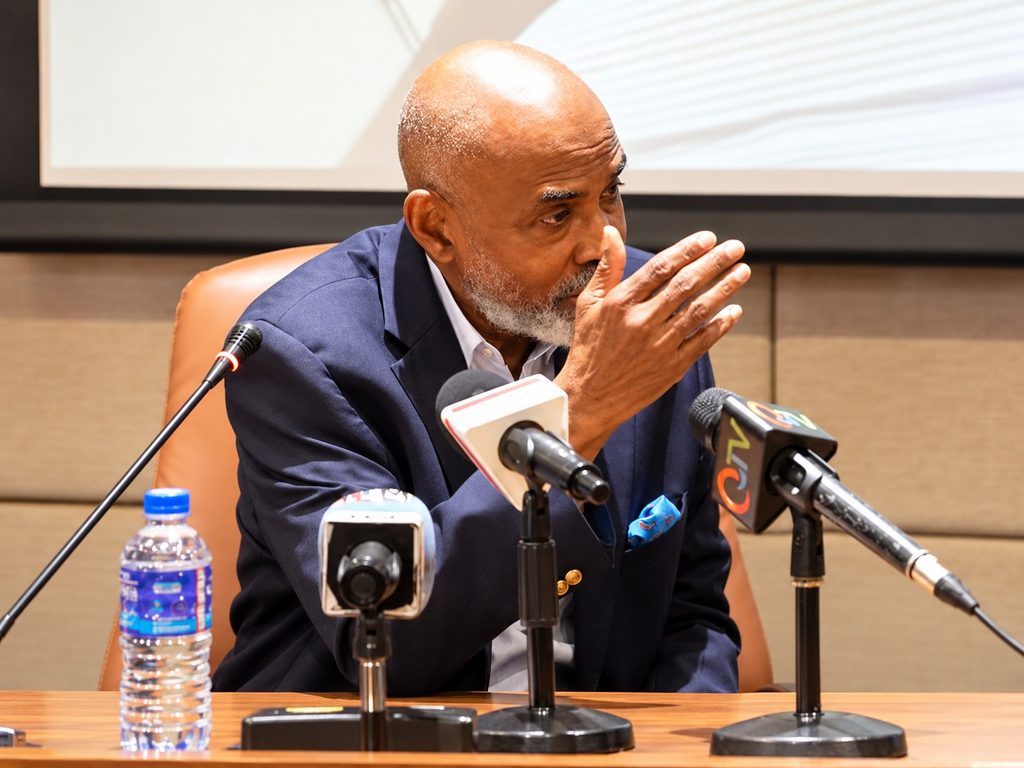
IEC Vice Chairman Cherno Jallow has rejected suggestions that the figures represent an unexplained discrepancy, telling The Standard that the 212,095 figure was raw data received from registration centres before verification.
“It includes replacements, reprints, and spoiled or damaged cards. But when we did the cross-matching, verification and adjudication, we were able to detect all these things including cases of double registration and they were removed,” Jallow said.
He said the IEC initially announced 24,058 records involving double registration, but later determined that 14,334 people were involved because some individuals had registered two or three times.
“The system records everything and it was in a very transparent manner that we shared this openly with parties,” Jallow said. “We have made it clear to them that this is the raw data from the field.”
However, he did not provide the final number remaining after the cross-matching and verification exercise, according to The Standard.
The dispute has also turned to the IEC’s handling of the UDP’s correspondence. Jallow acknowledged that the party had written to the Commission twice requesting information and conceded that the IEC should have replied.
“But we still have plans to respond and we will respond because we have an obligation to do so,” he said, adding that the Commission had been “very busy.”
The UDP is continuing to press the issue. Saikou Camara, the party’s Administrative Secretary for Media and Communications, questioned why the ruling National People’s Party (NPP) had publicly responded to the UDP’s demands.
“Why is the NPP so uncomfortable with a simple demand for electoral transparency?” Camara asked.
The IEC maintains that it has nothing to hide and says the final voter register will be shared with political parties after the ongoing revising court process is completed.