
 11
11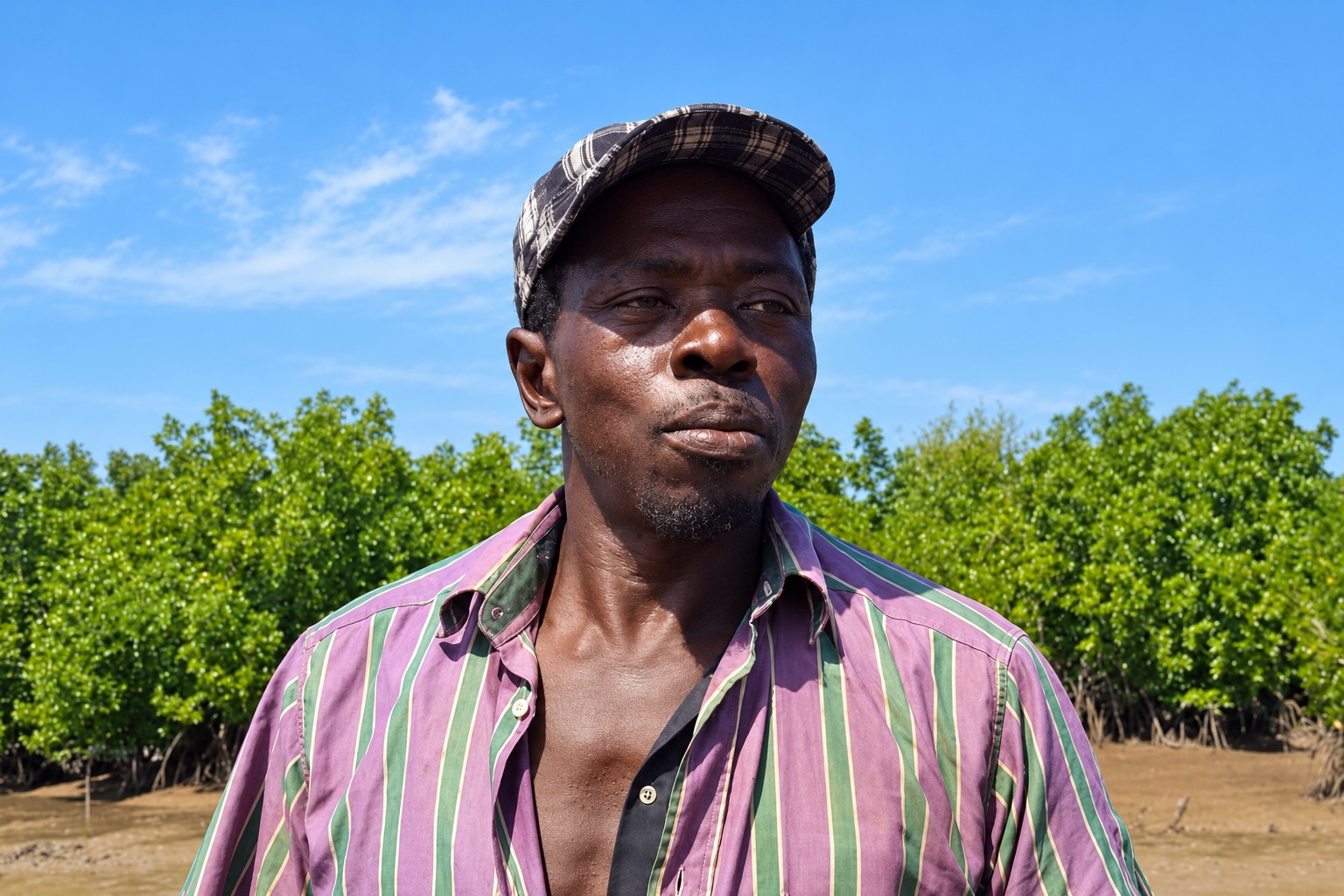
Written by: Dawda Baldeh
Under the heavy, humid sky of Badibou Salikene, the river looks deceptively unchanged.
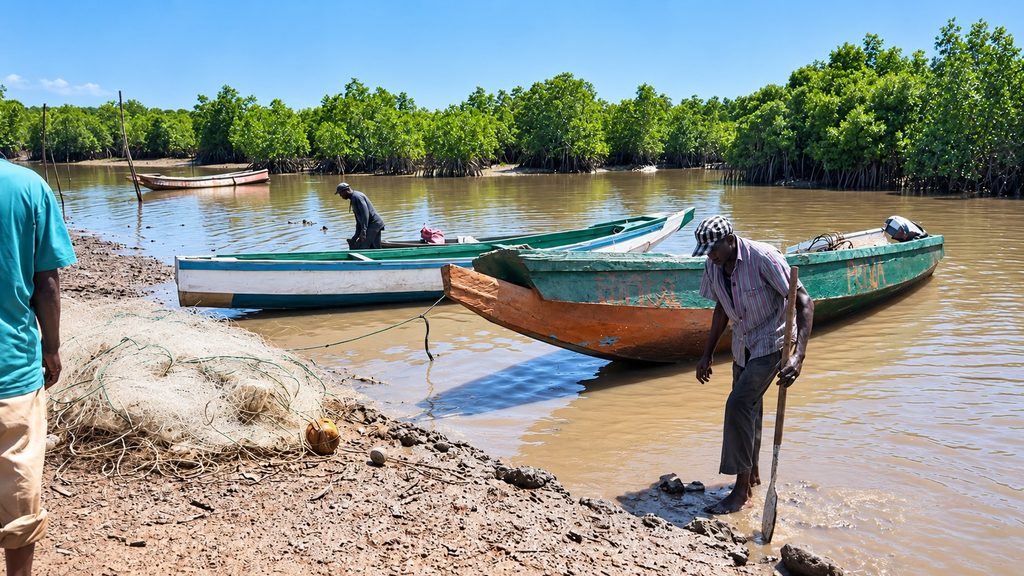
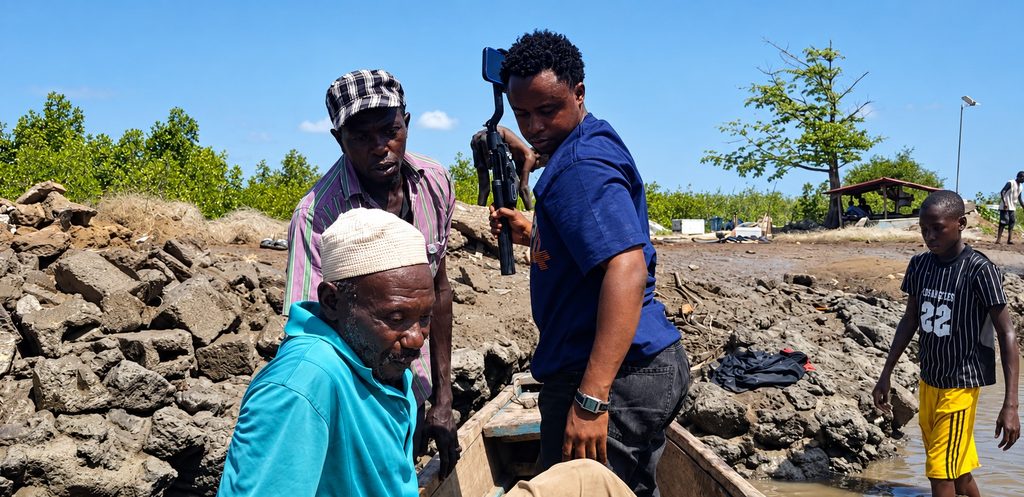
The gentle movement of the water against the shore carries a familiar rhythm. But behind that calm lies a growing crisis for fishermen who have depended on these waters for generations.
Where fishermen once returned with tens of kilograms of fresh fish each day, some now come home with almost nothing.
For families in Salikene, every fish pulled from the river matters. A good catch means food on the table, school fees paid, medical bills covered and enough income to support a household.
Foday Drammeh is a seasoned fisherman who has spent much of his life learning the movements of the river. But in recent years, he says he and his colleagues have watched their catches and incomes fall dramatically.
“The river used to give us life. Before, you can catch up to 100kg in a day, but now it feels like we are getting nothing. Sometimes you struggle to get 25kg of fish in two days,” Drammeh says.
“We spend hours and days under the blistering sun, burning fuel we can barely afford, only to return with nothing.
“The fish are gone. We blame the massive international trawlers operating further out in Gambian waters.
“They are aggressively vacuuming up everything, leaving the river completely barren for us local fishermen. If this continues, how do we feed our children?” he questioned.
For fishermen like Drammeh, the situation carries a bitter irony. Their daily work helps put fish on tables across Badibou and beyond, yet some of the people supplying that food are increasingly struggling to provide for their own families.
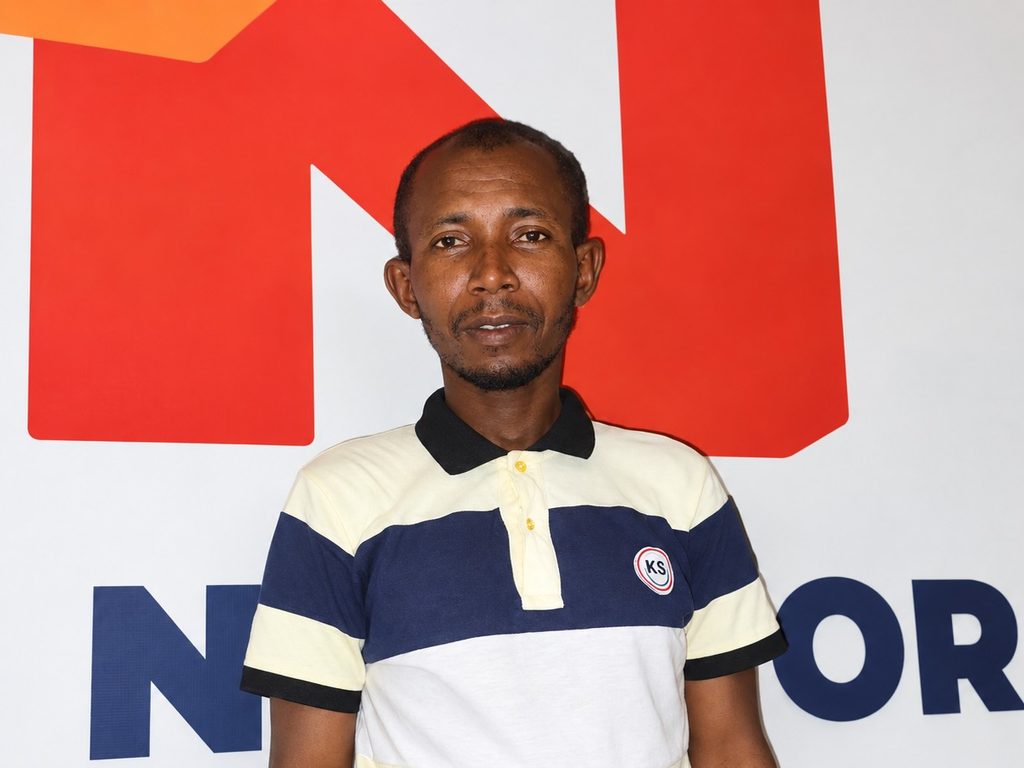
Further down the riverbank, Modou Samateh has just turned off his engine. He steps from his wooden boat after hours under the sun and looks down at an empty vessel.
For Samateh, every trip onto the river has become a gamble between earning enough to survive and returning home at a loss.
“Every day we go out is a gamble we are losing,” Samateh says.
“Fishing is all I know. It is how I survive. But look at my boat, empty again. We are not just losing money; we are losing our dignity.
“Everything is getting expensive now and people often blame us for the high prices of fish without understanding our sacrifices. We cannot live on hope alone.”
Their problems do not end with shrinking catches.
The local docking bridge used by fishermen has also collapsed. Once built from wooden logs, much of the structure is now broken and rotting in the water.
Without a functioning bridge, fishermen say getting in and out of the river has become more difficult and dangerous, particularly during low tide. They are forced to carry or drag heavy equipment through thick mud before they can launch their boats or return to shore.
With catches shrinking and their docking facilities in poor condition, the fishermen of Badibou Salikene are calling for government intervention.
They want stronger regulation of foreign trawlers operating in Gambian waters, enforcement of fishing boundaries and the restoration of their damaged docking facilities.
For these men, fishing is more than a source of income. It is a livelihood passed down through generations and, for many families, their main means of survival.
Their fear is simple: if the catches continue to disappear, what happens to the families whose lives depend on the river?