
 11
11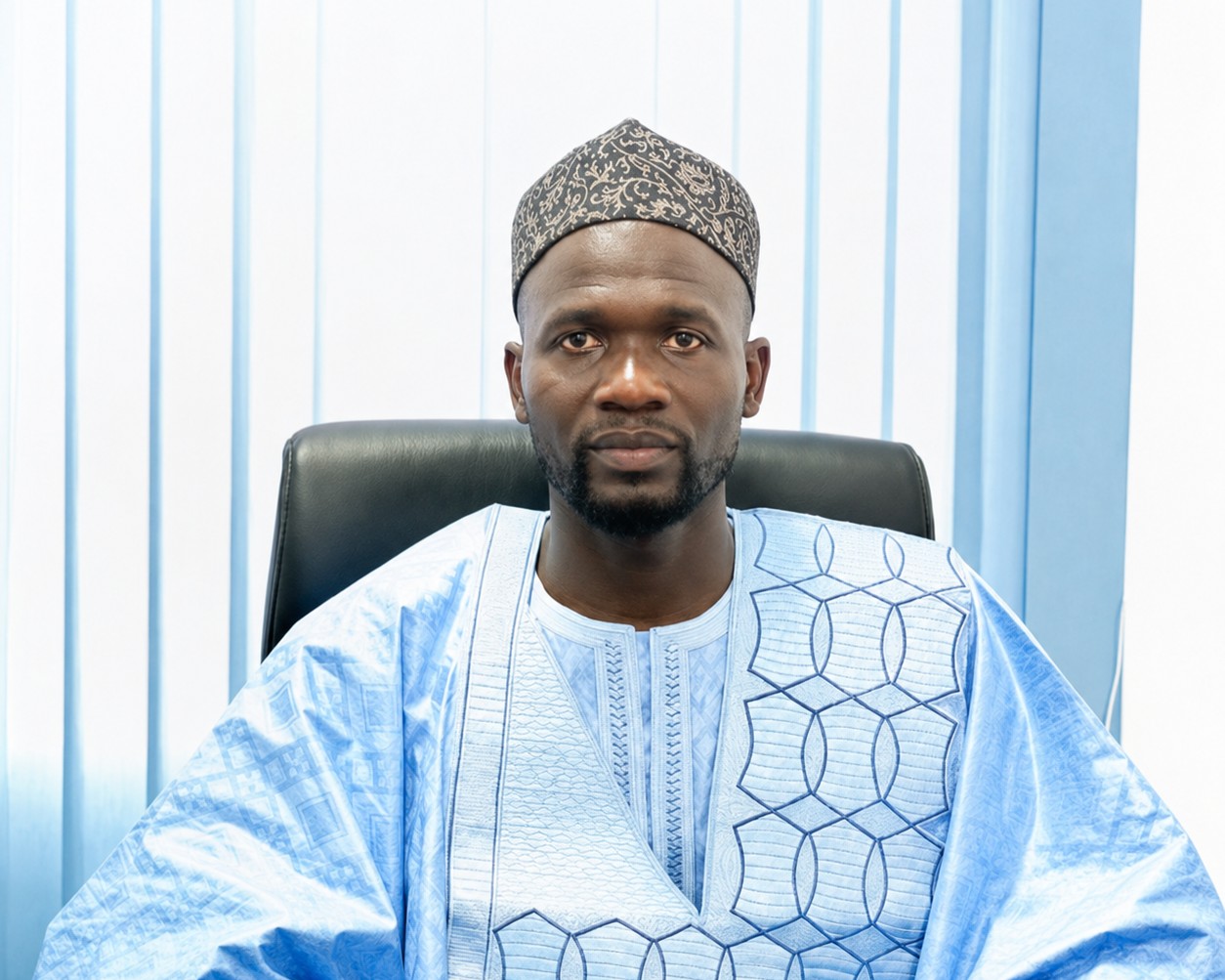
Written by: Alieu Jallow
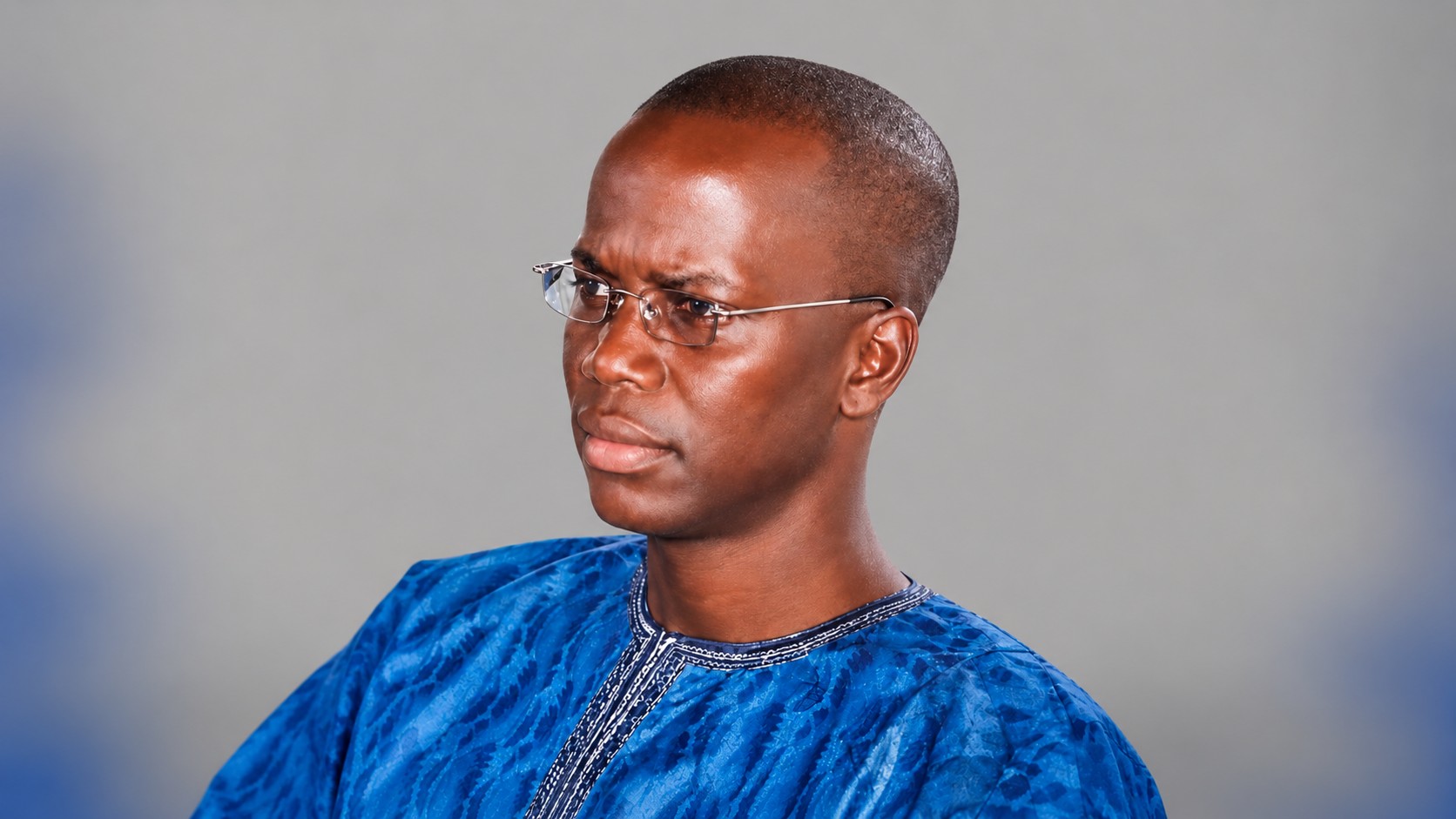
The Managing Director of Star TV and FM, Kawsu Badjie, has dismissed claims that the ongoing staff sit-down is solely about poor salaries, insisting that the action is largely a reaction to newly introduced workplace reforms aimed at improving productivity and accountability within the institution.
Staff members have been staging a sit-down in protest over what they describe as low wages, poor pay and unfavourable working conditions.
Speaking in a telephone interview, Mr. Badjie said employees submitted a petition to management on July 30 demanding salary increments. In response, he immediately convened an emergency meeting involving the Human Resources Manager and the Chief Accountant to discuss staff welfare and the institution’s proposed reforms.
According to him, the meeting focused on three key reform areas: redefining staff responsibilities to match the operational needs of the institution, aligning remuneration with the services rendered by employees, and developing a comprehensive employment policy to guide Star TV’s operations from 2027 onwards.
“In the meeting, we agreed to work on these three reforms. One was to tailor staff functions to the exact needs of the institution. Two was to align remuneration with services rendered, and three was to develop a comprehensive employment policy that reflects our vision moving into 2027,” he said.
Mr. Badjie explained that management requested a three-month grace period to address the concerns raised in the petition, an arrangement he said staff initially accepted.
However, he maintained that some employees became uncomfortable after learning about the proposed reforms, arguing that the changes would require greater accountability and productivity.
“Some people will come to work, submit only one story and leave. Others attend workshops, return, spend hours socialising and produce just one story before going home. No institution can survive under such a system. I made my position very clear because these reforms are intended to improve productivity,” he stated.
He further alleged that resistance to the reforms extends beyond some employees and includes members of the institution’s management.
“Some members of management are also not happy with these reforms because they are not favourable to them either,” he added.
Addressing the timeline of the industrial action, Mr. Badjie said the petition initially gave management until August 15 to address the concerns before any sit-down would commence.
He said management had already begun engaging the institution’s Chairman, Haji Baniko, regarding the petition and had informed staff that discussions were ongoing.
According to him, the Chairman also assured staff that transport-related issues would be addressed once the reform process was concluded.
Mr. Badjie therefore expressed surprise when staff proceeded with the sit-down earlier this week despite what he described as ongoing dialogue between management and the Board.
“The only problem they have is that they do not want the reforms to go ahead. They are comfortable with the existing system, but I am not prepared to continue operating that way because it is not in the institution’s best interest,” he said.
The Managing Director reiterated that the industrial action was not fundamentally about salaries.
“The whole objective was never even about salaries. They are simply not happy with the approach we are introducing through these reforms,” he asserted.
Responding to concerns over reports that some staff earn as little as D3,000 per month, Mr. Badjie explained that the amount is based on the institution’s hourly payment structure.
He said employees are paid D125 per hour, with earnings determined by the number of hours worked.
According to his calculations, an employee working two hours a day for three days a week would earn approximately D3,000 per month, while those working four hours a day would earn around D10,000 and employees working full eight-hour days would receive approximately D20,000.
“If someone works only two hours a day, three days a week, the calculation naturally comes to about D3,000 a month. If you work four hours a day, you earn about D10,000, and those working eight-hour days receive around D20,000. It is simply a matter of arithmetic,” he explained.
Mr. Badjie also noted that some employees have been provided with laptops by the institution to facilitate their work, describing the initiative as part of management’s efforts to improve efficiency and create a more conducive working environment.
The staff sit-down continues as discussions between management, employees and the institution’s leadership are expected to continue in an effort to resolve the impasse.