
 11
11
Opinion piece by: Seringe ST Touray
When the United States and Israel attacked Iran on February 28th, violating its national sovereignty, killing its leader and bombing civilian targets including a girls’ school where at least 165 schoolgirls were killed, Presidents Adama Barrow and Bassirou Diomaye Faye expressed what can only be described as diplomatic restraint. The language used was cautious and familiar, phrases such as “deep concern” and calls for stability. Yet when Iran retaliated by striking United States military bases that Washington and Tel Aviv used to coordinate attacks against Iran, the tone suddenly shifted. Both presidents moved quickly to condemn Iran, portraying its actions as threats to regional peace while largely omitting the context of what triggered the retaliation.
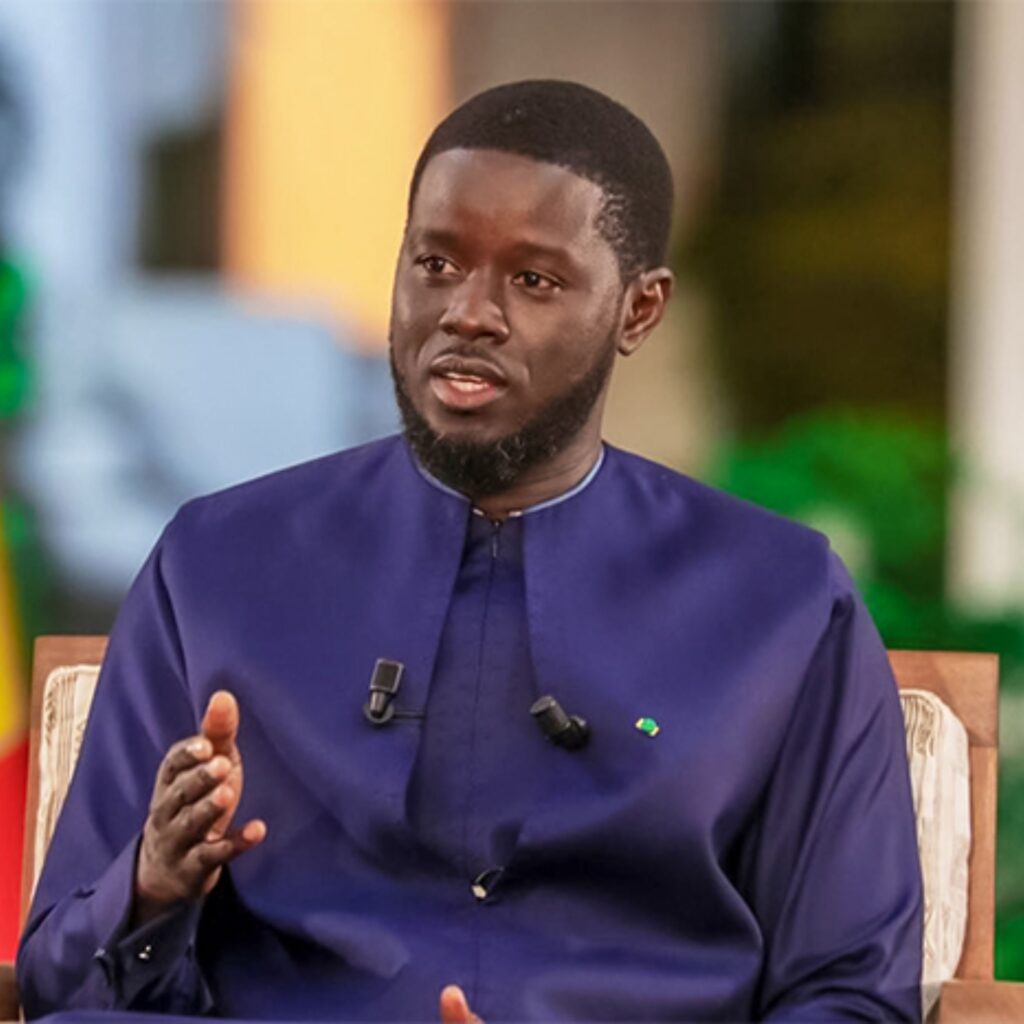
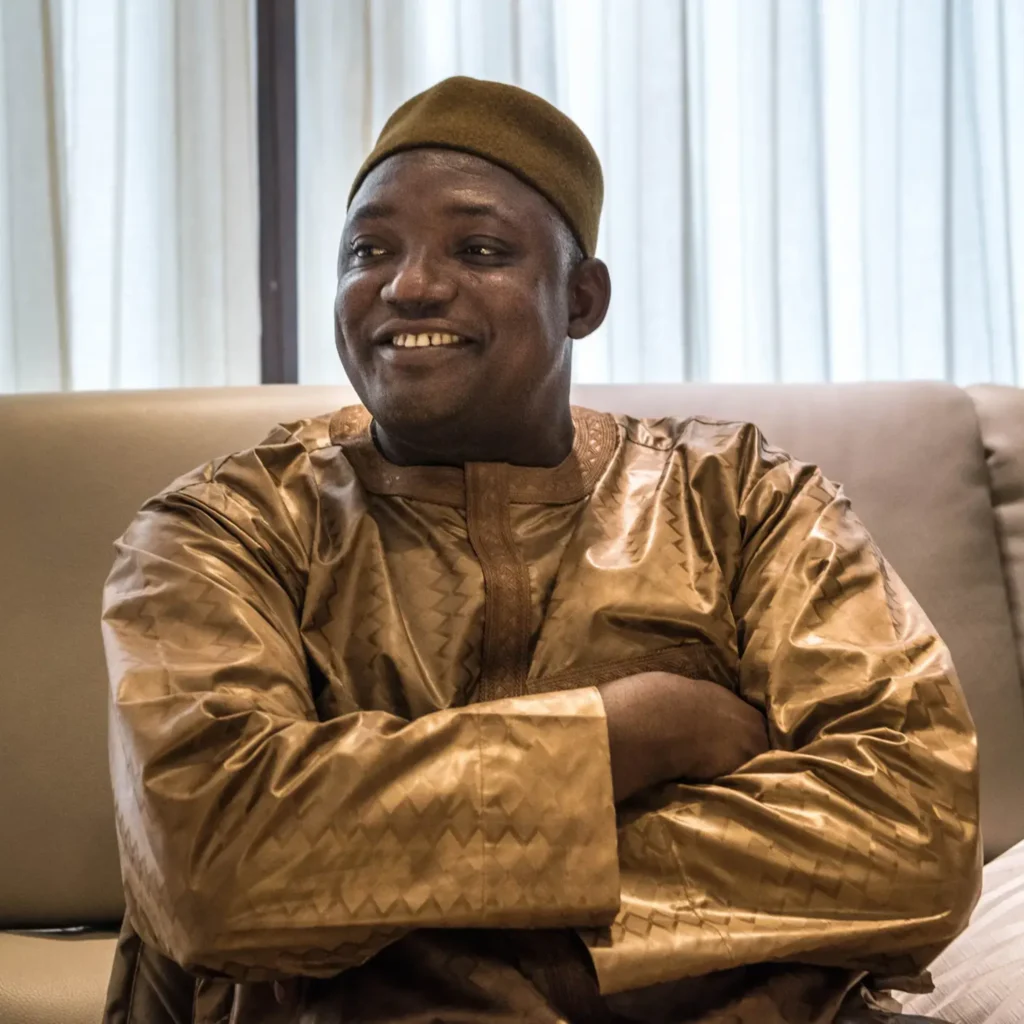
That omission matters because it shapes the narrative presented to the public. By speaking forcefully about Iran’s response while remaining far more restrained about the initial attacks by the United States and Israel, the impression created is that Iran acted as the aggressor in isolation. Both Barrow and Faye also expressed solidarity with Gulf states such as the United Arab Emirates, while Barrow described Iran’s actions as “a serious violation of state sovereignty” and “a threat to regional peace and stability.” Senegal’s official response went even further, referring to the retaliation as “blatant Iranian attacks.”
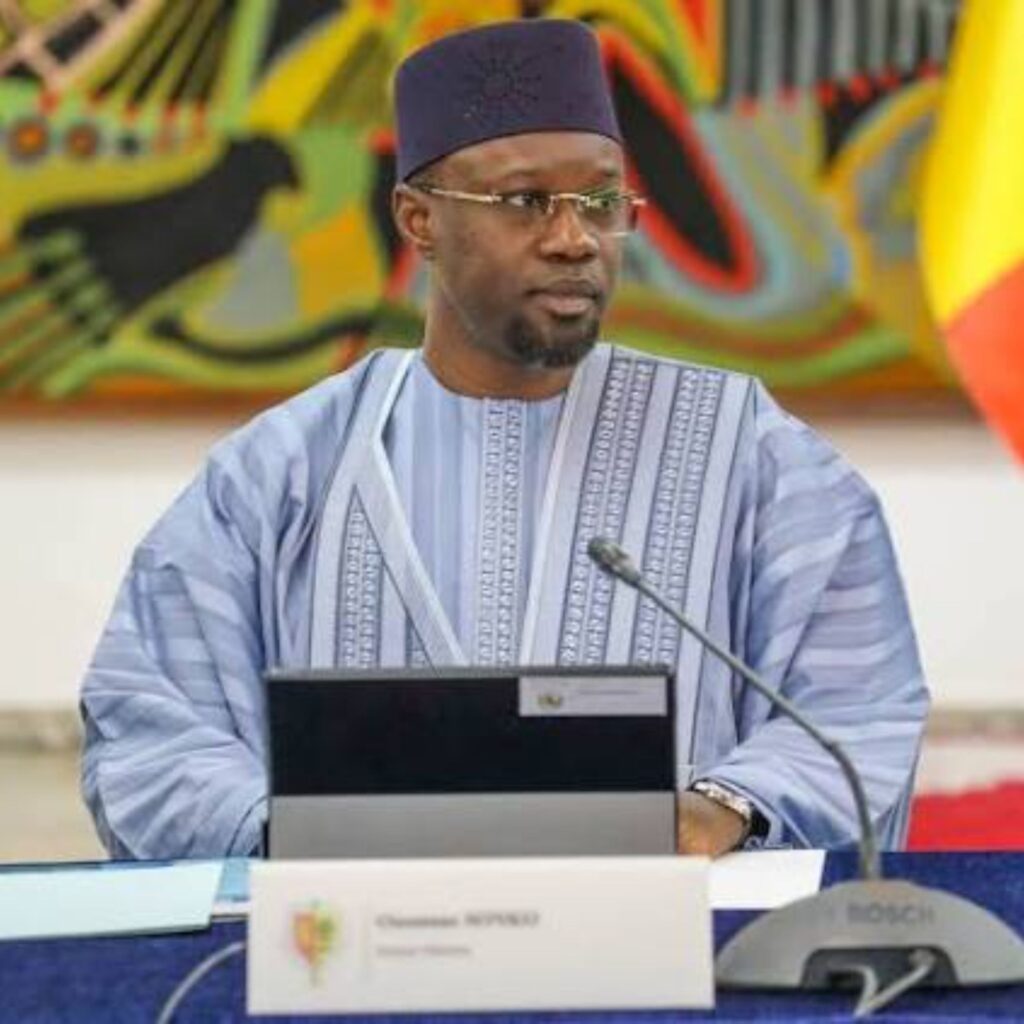
Senegal’s Prime Minister Ousmane Sonko took a different approach, closer to the stance taken by Pedro Sánchez of Spain, a country that has taken one of the strongest positions in the West against the strikes by the United States and Israel and even recalled its ambassador from Israel. Sonko’s criticism of the strikes against Iran reflected a willingness to challenge the double standards that often shape global reactions to conflict. In many parts of the world, public sentiment has leaned closer to that position, which is why the responses from Barrow and Faye have sounded tone deaf to many Gambians and Senegalese. Sonko’s stance showed the kind of political courage that comes from speaking plainly even when powerful allies demand silence.