
 111
111 2
2 3
3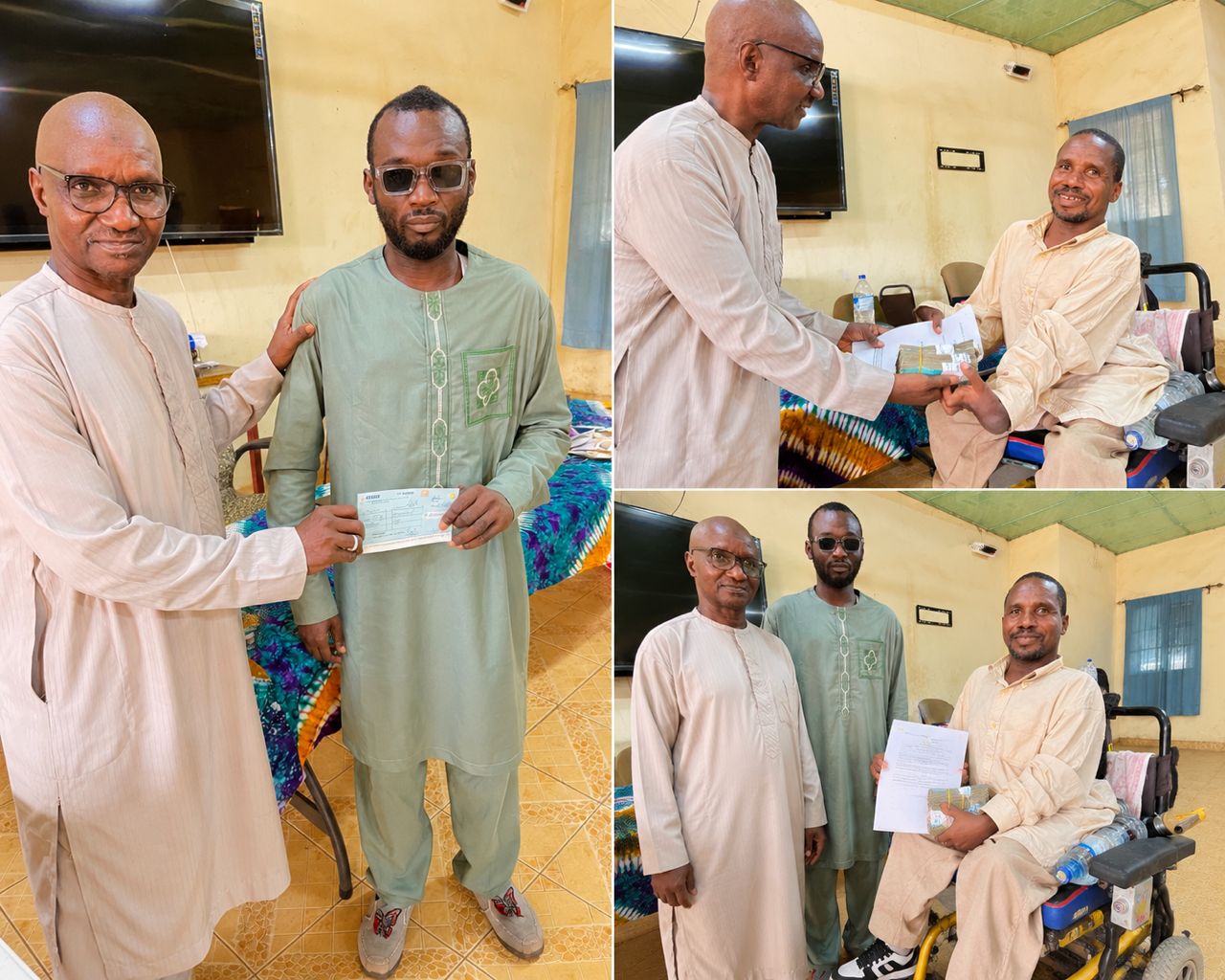
By Alie Jallow
People with disabilities in The Gambia say they are routinely excluded from grants and economic‑empowerment programmes because of deep‑rooted prejudice, despite legal protections under the Persons with Disabilities Act, 2021.
ActionAid International The Gambia’s EU‑funded SAPOF project awarded D650,000 in grants to 22 beneficiaries in the North Bank and Central River regions and deliberately included four people with disabilities, recipients say — a rare example of intentional inclusion that highlights wider failings.
Ebrima Jallow, a small‑business owner from Jarra Soma, told The Fatu Network in Kerewan that the barrier is institutional distrust. “We are not trusted and not given grant opportunities,” he said. “I have applied for and attended many training programmes with grants attached. I completed all the required procedures, but in the end, I was never selected. They give you hope, but eventually don’t even consider you.”
Ebrima described ActionAid as the first organisation to back him financially after years of unsuccessful applications. “Only ActionAid gave me a grant. Others will tell you they will call you, but they never do. Some people look at you and think if they give you financial support, you will mismanage it. They simply don’t trust us because of our disabilities. It’s not our fault. This is how we were created,” he said.
Another beneficiary, Ebrima Sarr of Ndofan — an Agricultural Science student at The Gambia College who lives with physical and speech impairments — said he had never seen a grant programme intentionally include disabled people before. “This grant will help me become financially independent instead of depending on others. Persons with disabilities in this country face enormous financial and empowerment challenges. ActionAid has helped break that stigma by believing in us and supporting us,” he said.
Fatou Saidyhan from Bakalarr Madina, who trained in compost production under SAPOF, said the grant will let her buy chickens to secure manure for her organic fertiliser business and expand production.
“The money I receive from ActionAid will help me buy chickens and start poultry farming, which will provide one of the main raw materials for my compost business. Before I started producing compost, I struggled financially. Today, I am earning an income, and this grant will help me increase production, open a bank account, improve my earnings and hopefully see my products reach markets beyond The Gambia,” she said.
The Persons with Disabilities Act, 2021, aligns with the UN Convention on the Rights of Persons with Disabilities and obliges government institutions to promote economic inclusion, but it does not create a dedicated national disability grant. Campaigners say that, in practice, many people with disabilities still face limited access to grants, credit, employment, and training, compounded by high unemployment, poverty, and stigma.
Beneficiaries and advocates are urging government bodies, donors and development partners to replicate ActionAid’s inclusive approach and ensure equal access to finance and training so stigma — not ability — no longer determines who receives support.


