
 11
11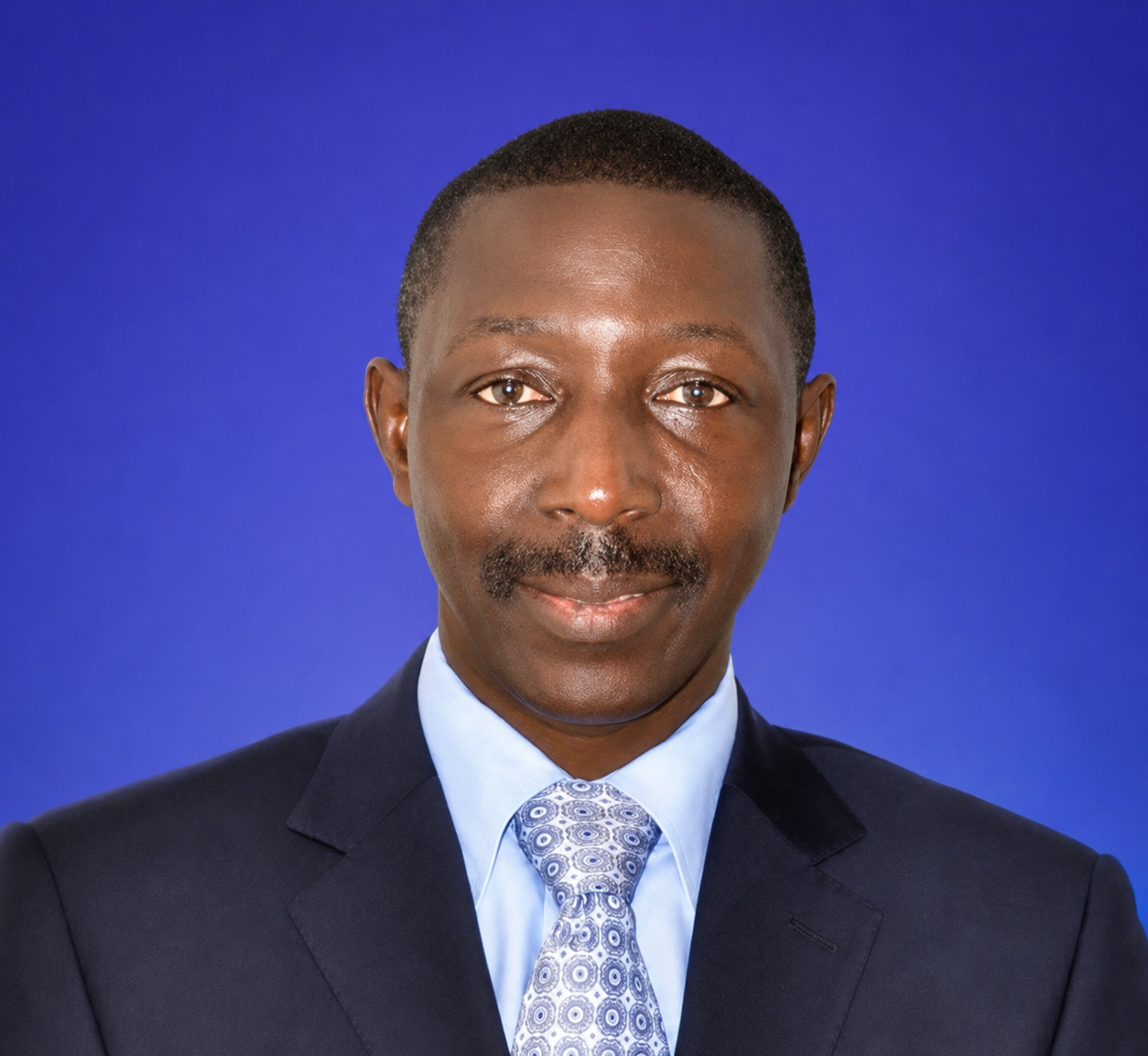
Written by: Dawda Baldeh
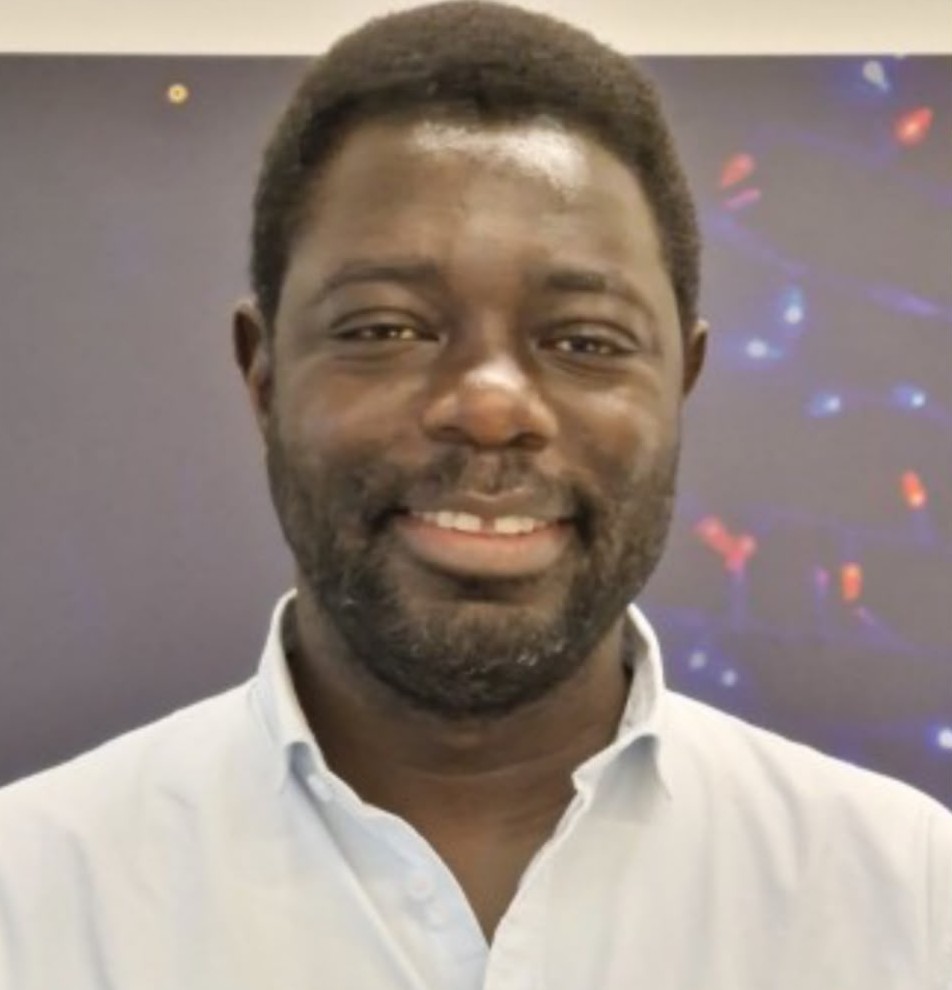
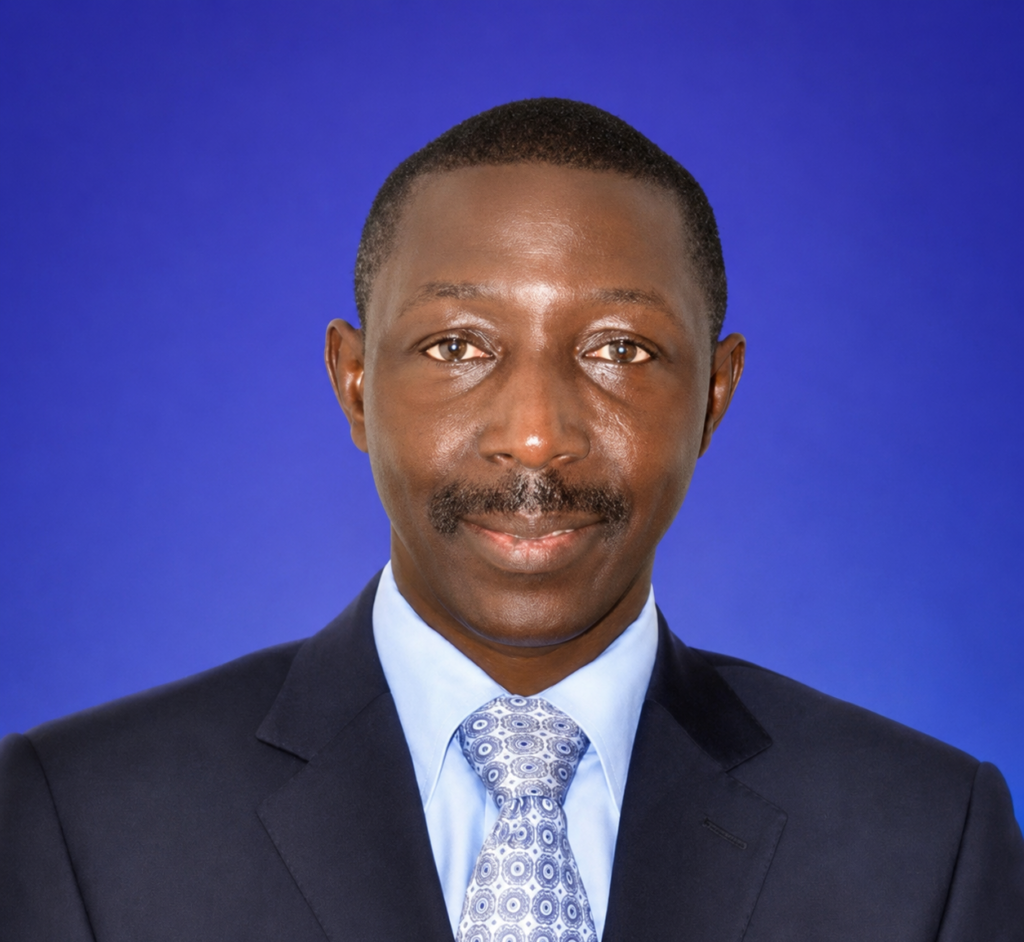
The leader of the People’s Alliance Party (PAP), Ebrima Tabora Manneh, says ongoing opposition coalition talks ahead of the 2026 presidential election have reached an advanced stage, although the question of who should lead the alliance remains the most difficult issue facing negotiators.
Speaking exclusively to The Fatu Network, Manneh said discussions involving registered political parties, civil society organisations (CSOs), and political movements are progressing well and could ultimately produce a consensus candidate.
“The coalition talks are ongoing, and there are a number of registered political parties that are part of that negotiation, including movements and CSOs. It’s at an advanced stage, it’s yet to be finalised, and the discussions are promising,” he said.
Responding to concerns that the coalition could unravel once negotiations turn to selecting a flag bearer, Manneh acknowledged that leadership remains the biggest sticking point but expressed confidence that an agreement is achievable.
“We are hopeful that at least a consensus might be reached. It’s going to be difficult, yes. Challenging, yes. But impossible, no. I think it is possible.”
According to Manneh, coalition partners are currently weighing different models for how the alliance should be structured.
“The elephant in the room has to do with the leadership. Who would lead the coalition? What kind of coalition would you have?
“They talk of either a party-led coalition or a candidate-led coalition. That is being discussed.”
He said negotiations over the leadership structure represent the most intensive phase of the talks.
“That is where the real bargaining is happening, the real discussions. It may not happen overnight. It may not happen even in a few weeks. But I believe it will eventually happen.”
Manneh urged those involved in the negotiations to place national interests above personal ambitions.
“It’s up to the political parties, the movements and the CSOs to put aside their individual political ambitions and their egos.
“The interest should not be about position or authority, but about what is good for the country.”
Despite the ongoing coalition discussions, Manneh said PAP continues to prepare for the December 2026 presidential election and has not put its political activities on hold.
“The reason why we registered our party was to contest elections in 2026. So that is not on hold. The plans are afoot.
“We are continuing to do our grassroots engagement and meet people at the community level.”
He disclosed that the party has recently engaged communities including Ndugu Kebbeh, Lamin and Medina, with further outreach planned across the Lower River Region (LRR), Upper River Region (URR) and Central River Region (CRR).
“We have scaled down a little bit to see how the coalition process progresses, but we are continuing with our activities.”
Manneh said PAP remains committed to joining a united opposition if consensus is reached but is equally prepared to contest the election independently should negotiations fail.
“We are waiting for 2026, hoping to contest either as part of the coalition or on our own.
“Once the consensus is reached, we will go with the coalition. If there is no consensus, we will go solo.”
He added that PAP’s ultimate objective extends beyond winning political office.
“We are pro-Gambia. We want what is best for the country and what will bring Gambians together.
“Whether we get the presidency or not, the main focus is for Gambia to be a decent country where people are united and the economy works for everyone.”