
 11
11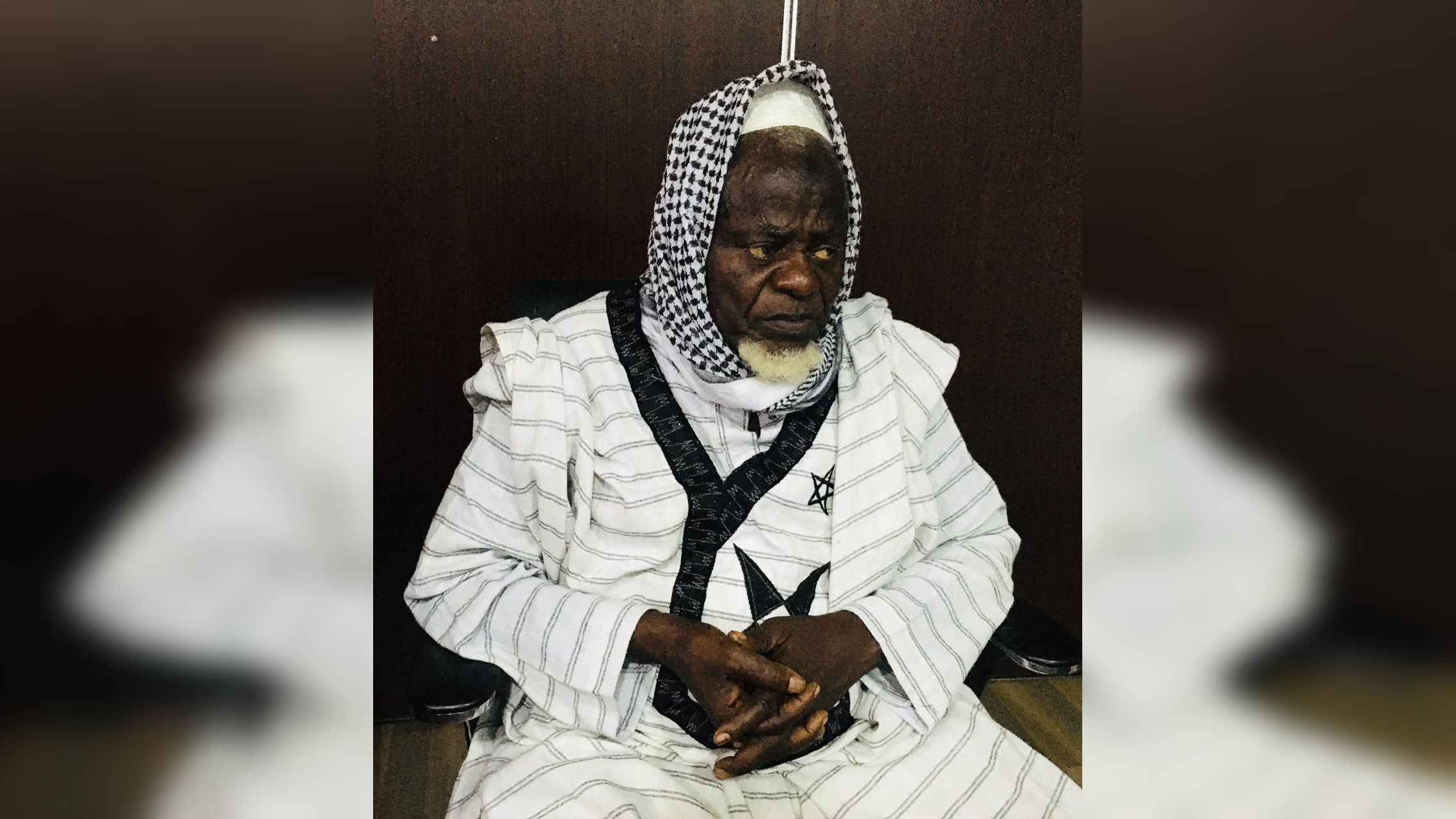
Written by: Dawda Baldeh
For more than 17 years, residents of Kerr Mot Ali in Upper Saloum District in The Gambia who have been living in exile across the border in Senegal say they have endured hardship, neglect and displacement while waiting for justice and the opportunity to return home.
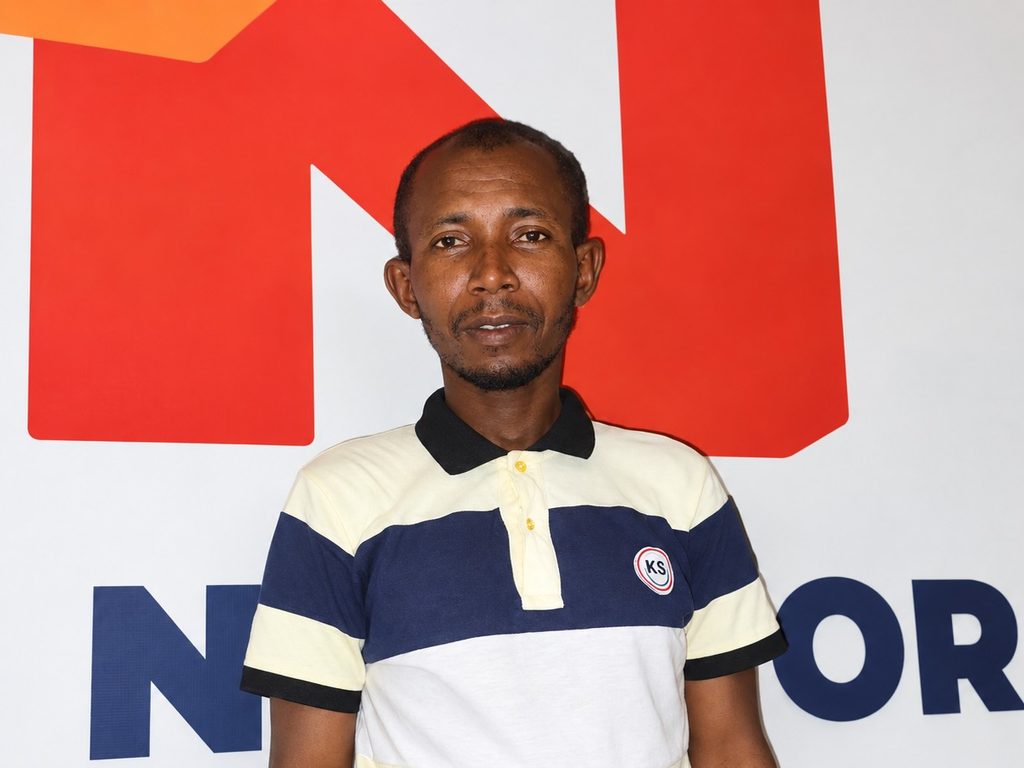
Speaking at a peace-building forum, community representative Kebba Secka painted a painful picture of a population struggling to survive after being forced into exile in 2009.
The exiled residents are followers of Sering Ndigal Secka. In 2009, the community was subjected to a government crackdown under former President Yahya Jammeh following disputes surrounding the group’s religious practices and beliefs. Many residents fled to Senegal, where a large number remain in exile today.
He said generations of families have been cut off from their ancestral lands, denied access to basic services and left feeling abandoned.
“We have suffered for too long,” Secka said. “Our children were out of school for over a decade, our women gave birth at home without medical care, and many of us still cannot access the documents we need to live normal lives.”
According to Secka, no child from the exiled community attended school for more than 10 years until interventions by the Women’s Association for Women and Victims Empowerment (WAVE) began in 2022.
Today, more than 50 children are enrolled in school, a development he described as life-changing for families who had nearly lost hope.
Maternal healthcare was another major challenge. For years, pregnant women reportedly delivered babies at home because they lacked access to health facilities.
Some families suffered tragic losses that could have been prevented with proper medical care.
Documentation also remains a major obstacle.
Many exiled Gambians possess expired identification cards and struggle to obtain replacements, limiting access to healthcare, education and other public services.
Beyond social services, Secka said the community’s greatest grievance remains the loss of land and property in Kerr Mot Ali.
He accused others of occupying homes and farmlands left behind when residents fled into exile in 2009.
“Our inherited lands are being cultivated by other people while we rent farmland every year just to survive,” he said. “We are farmers. Taking away our land means taking away our livelihood.”
Despite these frustrations, Secka insisted the exiled community is not seeking confrontation.
Instead, he called for the return of unoccupied properties that courts have already recognized as belonging to displaced families, saying such a move would help pave the way for their return to Kerr Mot Ali.
“We are not asking for anyone to be thrown out of their homes,” he said. “Give us access to the properties that are vacant, and we will rebuild them ourselves.”
The community is also demanding safer travel routes between Senegal and The Gambia, easier access to documentation and the establishment of a permanent peace structure to help resolve the long-running dispute.
“We want peace,” Secka declared. “But peace must come with justice, dignity and the right to return home.”
Demba Hamadi Sey, Chief of Upper Saloum District, said the priority should be finding a peaceful solution that allows the divided community to reunite.
“Can the two Kerr Mot Alis exist in one village?” he asked, stressing that the main goal should be restoring unity and coexistence.
He said security remains important but argued that true peace would allow security resources to be redirected elsewhere.
The forum heard repeated calls for reconciliation, restoration of property rights and measures to facilitate the voluntary return of exiled residents to Kerr Mot Ali.