
 11
11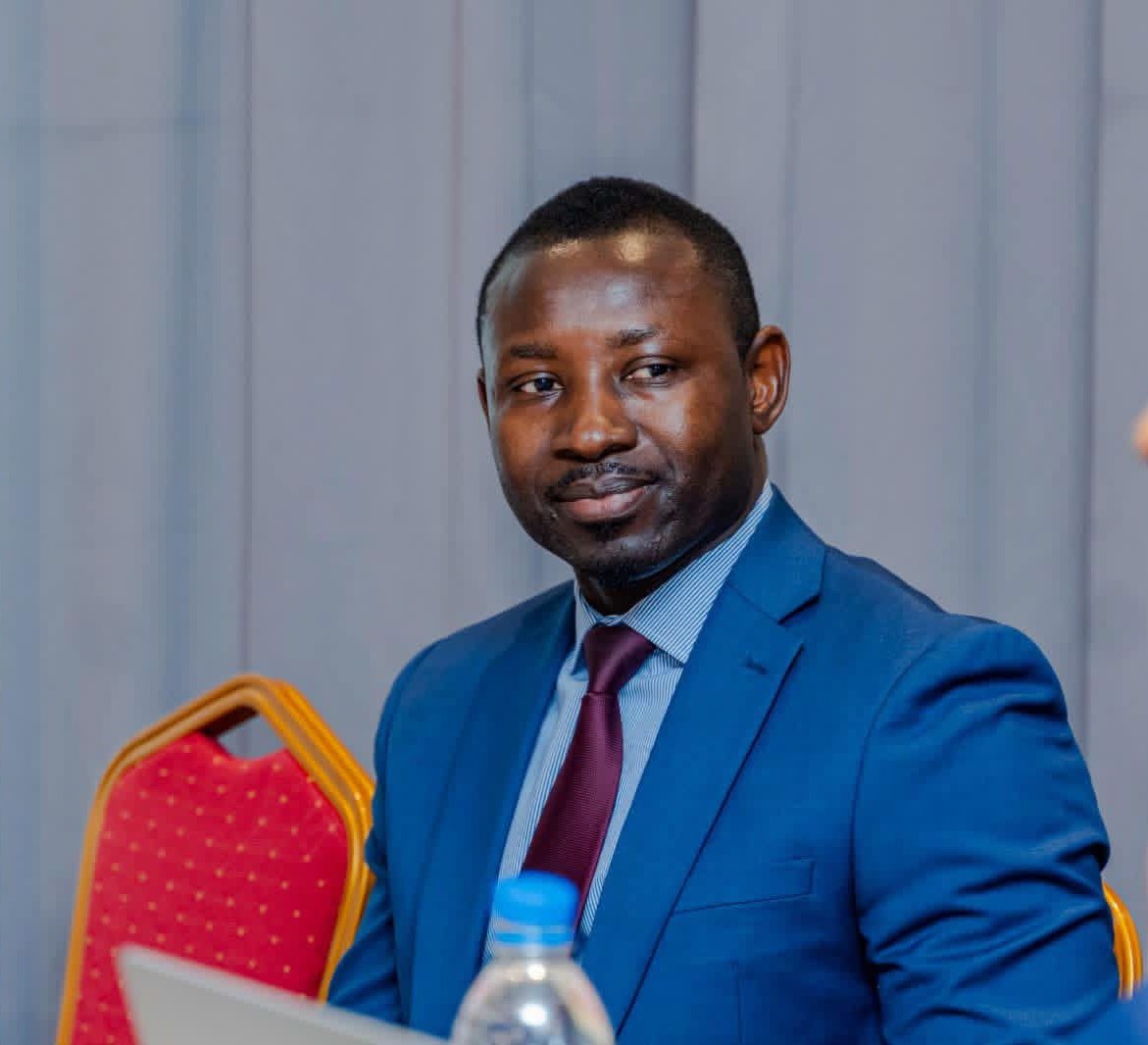
Written by: Alieu Jallow
As nationwide power cuts continue to disrupt daily life, Progress Gambia leader Amadou Jaiteh has accused President Adama Barrow’s administration of failing to deliver reliable electricity despite years of promises and billions of dalasis invested in the energy sector.
His remarks come as communities across the country grapple with recurring blackouts that have affected homes, businesses, schools and health facilities, leaving many residents frustrated by an electricity supply that remains unpredictable.
In a statement titled “Billions In, Lights Out: The Failure of Barrow’s Electricity Promise,” Jaiteh argued that the current situation reflects long-standing shortcomings in the government’s approach to the energy sector rather than isolated technical problems.
“When President Adama Barrow assumed office in 2017, Gambians expected a government that would transform investment into reliable electricity. Nine years later, citizens are still living through darkness, unbearable heat and economic losses caused by frequent power cuts,” he said.
Following the 2017 political transition, the government secured major international support to improve electricity generation and distribution. These included the Gambia Electricity Restoration and Modernization Project (GERMP), regional energy initiatives under ECOWAS, funding from the African Development Bank, the European Union and the European Investment Bank, as well as electricity imports from Senegal and agreements with Karpowership.
Despite those interventions, the latest outages have renewed questions about whether years of investment have translated into meaningful improvements for ordinary Gambians.
Jaiteh said the impact is being felt most severely by small businesses that depend on a stable power supply to operate.
According to him, welders, tailors, barbers, cold store operators and restaurant owners continue to lose income whenever electricity fails.
“Every blackout represents lost income, reduced productivity and increased hardship for families already facing economic challenges,” he said.
He added that students studying at night, households trying to preserve food and vulnerable residents seeking relief from extreme heat are also paying the price for the country’s electricity problems.
Jaiteh also took issue with President Barrow’s recent comments describing the outages as technical challenges, noting that many citizens feel their concerns are being downplayed.
“The concerns of Gambians are not noise. They are legitimate frustrations from people living with the consequences of government failure,” he said.
Looking ahead, Jaiteh called for greater investment in domestic power generation, renewable energy, battery storage and stronger transmission infrastructure. While acknowledging the value of regional power-sharing arrangements, he warned that The Gambia cannot rely indefinitely on imported electricity.
“A sovereign nation must possess sufficient domestic capacity to power its homes, schools, hospitals and industries. Imports should complement national production, not replace it,” he stated.
With public frustration growing, pressure is mounting on both NAWEC and the Ministry of Petroleum and Energy to provide clear answers on the causes of the latest disruptions and how the government intends to prevent future crises.
For many Gambians, the debate is no longer just about electricity. It is increasingly becoming a question of accountability, delivery and whether years of investment have produced the results people were promised.